
Inside a Shower Curtain Fabric Factory: What Buyers Should Verify Before Roll Goods Ship
A shower curtain fabric factory is only as reliable as the specifications it can lock down. This guide walks through GSM, composition, print compatibility, and MOQ, with verified fabrics from curtains.vip.

PRODUCTS
Products in this report
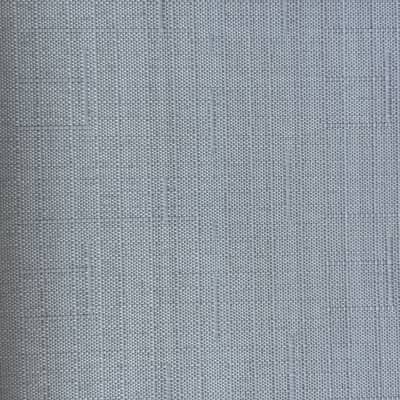
Cross-Slub Polyester Fabric
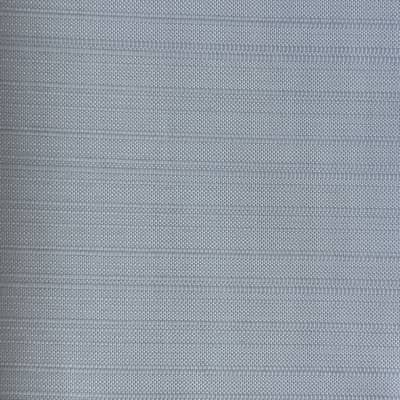
Linear-Slub Polyester Fabric
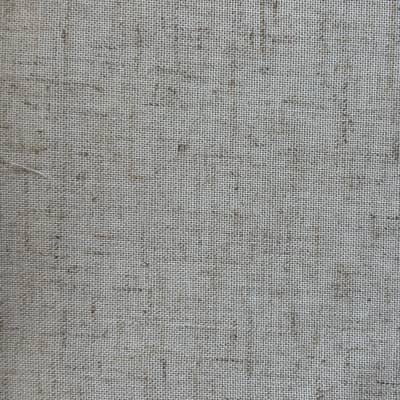
12×12 Plain-Weave Polyester-Linen Fabric
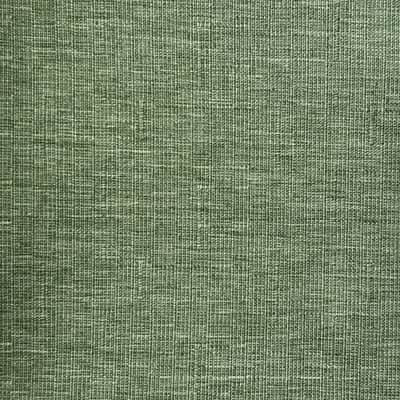
Green Polyester-Linen Slub Fabric
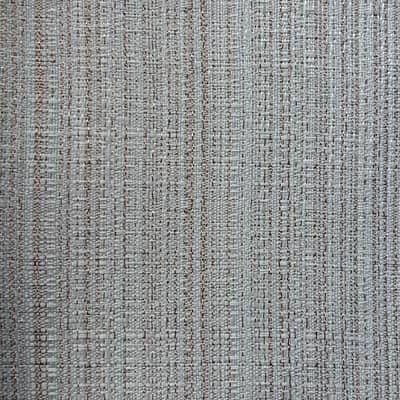
16# Rose-Gold Mini Jacquard Fabric
Start with the Roll, Not the Factory Tour
A factory address tells you where the looms are, not whether the roll will match your buyer's specification. The first question is not 'can you make shower curtain fabric?' but 'which roll goods can you reproduce consistently?'
Shaoxing Haowen Textile Clothing Co., Ltd. (the company behind the curtains.vip team) operates from Shaoxing, Zhejiang, China, where the textile ecosystem is dense. But density alone does not guarantee quality. What matters is how precisely a factory can commit to weight, composition, and print behaviour before you place an order.
This guide is written for buyers who want to evaluate a shower curtain fabric factory on evidence, not promises. We use our own verified roll goods as examples, and we separate what we can confirm from what you should test yourself.
GSM: The First Number That Separates Roll Goods
GSM (grams per square metre) is the first number to lock down because it drives drape, opacity, and how the fabric feels in a guestroom or retail package. A 110 GSM base behaves very differently from a 165 GSM base, even if the weave looks similar.
In our range, the Cross-Slub Polyester Fabric (SKU FAB-SLUB-CROSS-110) and Linear-Slub Polyester Fabric (SKU FAB-SLUB-LINE-110) both sit at 110 GSM. They are light, textured 100% polyester options that suit projects where a crisp, airy hand feel matters more than heavy opacity.
Cross-Slub Polyester Fabric
Linear-Slub Polyester Fabric
At the other end, the 12×12 Plain-Weave Polyester-Linen Fabric (SKU 12X12-PL) and 27-MA Green Polyester-Linen Slub Fabric (SKU 27-MA) both come in at 165 GSM. That weight gives more body and a more substantial drape, which is often what hotel projects expect from a linen-look curtain.
12×12 Plain-Weave Polyester-Linen Fabric
Green Polyester-Linen Slub Fabric
When you talk to a factory, ask for GSM on the technical datasheet, not just a swatch. A swatch can feel right but weigh wrong. GSM is the number that survives translation.
Composition: Polyester-Linen Blends vs. 100% Polyester
Composition is the second decision factor. It affects cost, hand feel, and how the fabric takes print. The blend ratio is not decorative; it changes how the yarn behaves on the loom and under ink.
Our 12×12 Plain-Weave Polyester-Linen Fabric (SKU 12X12-PL) is 85% polyester and 15% linen. That linen content gives a matte, slightly irregular surface that reads as natural. The 27-MA Green Polyester-Linen Slub Fabric (SKU 27-MA) is 95% polyester and 5% linen, so it keeps a linen texture with less of the cost and variability that higher linen content can bring.
For buyers who want a clean, uniform base, 100% polyester options like the Cross-Slub and Linear-Slub fabrics (SKU FAB-SLUB-CROSS-110 and FAB-SLUB-LINE-110) are easier to predict. They have no natural-fibre slubs, so the surface is more consistent for bold prints.
A factory should be able to state the exact blend percentage per SKU. If the answer is 'about 10% linen', that is a red flag. Composition drives both price and performance, so it needs to be exact.
Print Compatibility: Not Every Base Takes Ink the Same Way
Print compatibility is where many factory conversations go wrong. A fabric that looks great as a solid can fail as a printed base, or vice versa. The weave and the fibre content determine how ink sits on the surface.
In our range, the 12×12 Plain-Weave Polyester-Linen Fabric (SKU 12X12-PL) is printable, and the 27-MA Green Polyester-Linen Slub Fabric (SKU 27-MA) is also printable. The slub texture adds visual depth, but it can also create tiny variations in ink absorption. That is not a defect; it is a characteristic you need to plan for in your artwork.
The Cross-Slub and Linear-Slub polyester fabrics (SKU FAB-SLUB-CROSS-110 and FAB-SLUB-LINE-110) are also printable. Their 100% polyester construction gives a more uniform surface, which often makes colour reproduction more predictable.
Not every base in our range is printable. The 16# Rose-Gold Mini Jacquard Fabric (SKU FAB-16-RG) is not printable. That is a deliberate design choice: the metallic yarn creates a shimmering effect that would be obscured by print. If your project needs a printed pattern, that fabric is not the right starting point.
When you evaluate a factory, ask for print compatibility per SKU, not a blanket 'we can print on anything'. Then order a strike-off or sample before committing to bulk.
MOQ and Order Planning: What to Expect
MOQ is a practical constraint that shapes your order planning. At curtains.vip, the usual reference MOQ is 2,000 metres per SKU. Orders below that are accepted with a slightly higher unit price, so a pilot run is possible without committing to a full container. The usual reference MOQ is 2,000 m per SKU; orders below 2,000 m are also accepted, with a slightly higher unit price.
That flexibility matters for private-label programmes and hotel projects that need to test a design before scaling. It also means you can sample multiple bases without over-committing.
When you talk to a factory, ask not just for the MOQ number, but for how they handle orders below it. A factory that refuses to discuss sub-MOQ pricing may not be the right partner for a staged rollout.
A Practical Checklist for Evaluating a Shower Curtain Fabric Factory
Use this checklist when you compare factories. It covers the decision factors that matter most for roll goods.
The checklist is not exhaustive, but it gives you a structured way to compare quotes and capabilities.
- GSM: Confirm the exact weight per SKU, not a range.
- Composition: Get the precise blend percentage (e.g., 85% polyester / 15% linen).
- Width: Ask for the finished width in centimetres or inches; it affects how many panels you can cut.
- Print compatibility: Verify whether the base is printable and request a strike-off.
- MOQ: Confirm the reference MOQ and the price adjustment for lower quantities.
- Sampling: Ask for a physical swatch and a printed sample before bulk.
- Testing: Clarify what tests the factory can run (e.g., colourfastness, shrinkage) and what you need to do yourself.
- Quotation: Compare unit price, but also check what is included (e.g., finishing, packaging).
Matching Fabrics to Buyer Scenarios
Different buyer scenarios call for different roll goods. Here is how our verified fabrics map to common use cases.
For a hotel project that wants a linen-look aesthetic with a substantial drape, the 12×12 Plain-Weave Polyester-Linen Fabric (SKU 12X12-PL) at 165 GSM is a strong candidate. Its 15% linen content gives a natural matte finish that suits guestroom interiors.
For a retail programme that needs a lighter, more affordable base with a textured surface, the Cross-Slub or Linear-Slub polyester fabrics (SKU FAB-SLUB-CROSS-110 or FAB-SLUB-LINE-110) at 110 GSM offer a crisp hand feel and consistent print behaviour.
For a private-label line that wants a subtle slub texture without the cost of high linen content, the 27-MA Green Polyester-Linen Slub Fabric (SKU 27-MA) at 165 GSM balances texture and price.
For a decorative, non-printed curtain where shimmer is the selling point, the 16# Rose-Gold Mini Jacquard Fabric (SKU FAB-16-RG) at 140 GSM adds a metallic accent that print cannot replicate.
Next Steps with curtains.vip
If you are evaluating a shower curtain fabric factory, start with the roll goods. Review our product range at /products and shortlist the SKUs that match your weight, composition, and print requirements.
Then contact us at /contact with your target GSM, composition, and print plans. We can send swatches and discuss sampling, MOQ, and lead times for your specific project.
The goal is not to sell you a fabric, but to help you specify the right one. A factory that asks the right questions is more likely to deliver the right roll.
Questions buyers ask
What is the typical MOQ for shower curtain fabric from curtains.vip?
The usual reference MOQ is 2,000 metres per SKU. Orders below that are accepted with a slightly higher unit price, so you can run a pilot or sample before committing to a larger volume.
Can I get a printed sample before placing a bulk order?
Yes. For printable bases, we recommend requesting a strike-off or printed sample to verify how the ink behaves on the specific weave and composition. Sampling is the only way to judge hand feel and print quality before committing.
Are all your shower curtain fabrics printable?
No. Print compatibility is product-specific. For example, the 16# Rose-Gold Mini Jacquard Fabric (SKU FAB-16-RG) is not printable due to its metallic yarn. Always check the product specification or ask us before planning a printed design.
What does GSM mean and why does it matter?
GSM stands for grams per square metre. It measures fabric weight and affects drape, opacity, and how the fabric feels. A 110 GSM fabric is lighter and more airy, while a 165 GSM fabric has more body and is more substantial. Choosing the right GSM is essential for matching your end-use requirements.