
From Roll to Private Label: The Shower Curtain Fabric OEM Workflow, Step by Step
OEM shower curtain programs live or die on specification. This technical walkthrough covers the workflow from roll goods to finished product, with verified fabrics from curtains.vip.

PRODUCTS
Products in this report
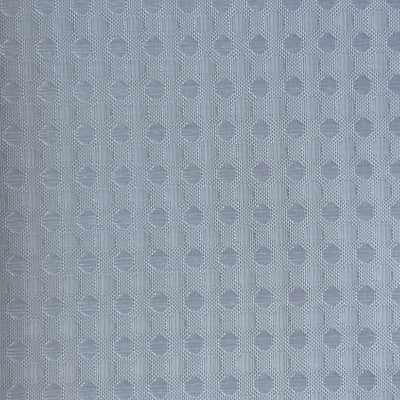
Dotted-Waffle Polyester Fabric
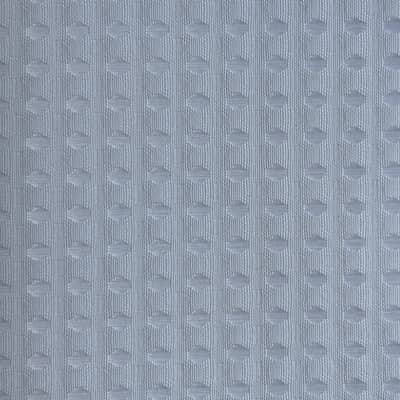
Polyester Waffle Fabric
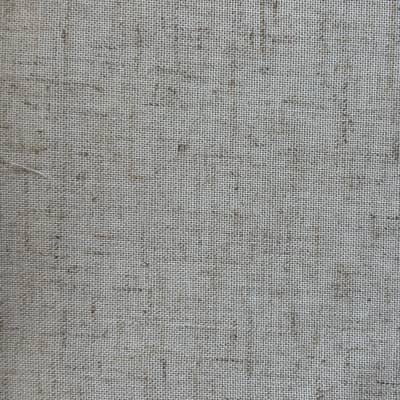
12×12 Plain-Weave Polyester-Linen Fabric
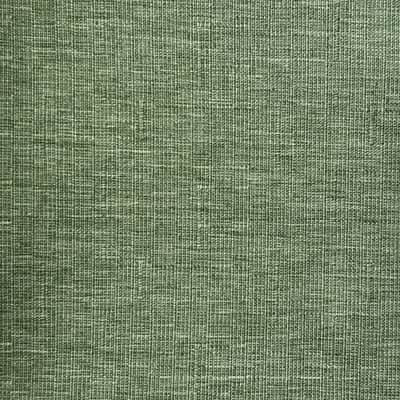
Green Polyester-Linen Slub Fabric
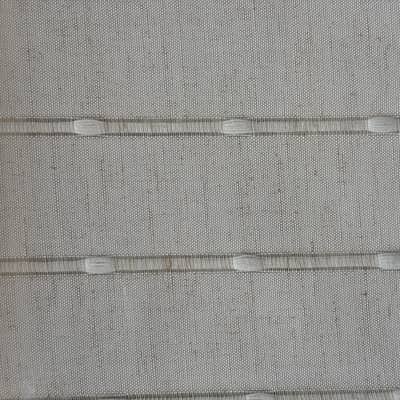
Horizontal-Slub Polyester-Linen Fabric
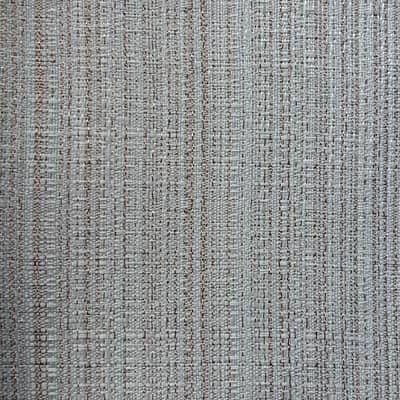
16# Rose-Gold Mini Jacquard Fabric
The OEM Workflow Starts with the Roll, Not the Artwork
A private-label shower curtain program can stall for many reasons: artwork that doesn't suit the base, a weight that feels wrong in the hand, or a composition that changes the drape. The fix is to start with the roll goods and work forward. As a shower curtain fabric OEM manufacturer, we see the same pattern across hotel projects, retail programmes and importers: buyers who specify the fabric first move faster and avoid costly rework.
This article walks through the technical workflow from fabric selection to finished product, using verified fabrics from our own range. We'll cover the decisions that matter at each stage, and where sampling fits. The goal is to give you a repeatable process, not a sales pitch.
GSM and Composition: The Two Numbers That Define the Roll
Every OEM project begins with two numbers: GSM and composition. GSM (grams per square metre) tells you the weight and, to a large degree, the hand feel and opacity. Composition tells you what the fabric is made of, which affects drape, texture and how it takes print.
For a lightweight, textured option, the Dotted-Waffle Polyester Fabric (SKU FAB-WAFFLE-DOT-120) is a 100% polyester base at 120 GSM. It's printable and suits projects where a soft, spa-like texture is wanted without extra weight. At the other end, the Polyester Waffle Fabric (SKU FAB-WAFFLE-225) is also 100% polyester but at 225 GSM, giving a more substantial feel for hospitality or retail programmes that need a heavier hand.
Dotted-Waffle Polyester Fabric
Polyester Waffle Fabric
If you want a linen look, the 12×12 Plain-Weave Polyester-Linen Fabric (SKU 12X12-PL) blends 85% polyester with 15% linen at 165 GSM. The linen content adds a natural slub and matte finish. For a subtler linen effect, the 27-MA Green Polyester-Linen Slub Fabric (SKU 27-MA) uses 95% polyester and 5% linen, also at 165 GSM, but with a slub texture that reads differently in the hand.
12×12 Plain-Weave Polyester-Linen Fabric
Green Polyester-Linen Slub Fabric
The composition also affects print compatibility. All the fabrics above are marked as printable in our system, but not every base takes ink the same way. That's why sampling is non-negotiable.
Print Compatibility: Not Every Base Takes Ink the Same Way
Print compatibility is the hidden variable in OEM work. A fabric might look perfect in the roll but produce muddy colours or poor sharpness once printed. The weave, the slub, and the fibre blend all influence how ink sits on the surface.
For example, the 27-008-8-A Horizontal-Slub Polyester-Linen Fabric (SKU 27-008-8-A) is 96% polyester and 4% linen at 140 GSM. It's printable, but the horizontal slub creates a textured surface that can affect fine detail. If your artwork has small text or intricate lines, you'll want to test on this base before committing to bulk.
The 12X12-PL, with its plain weave, tends to give a more even print surface. But again, the only way to know is to sample. We recommend ordering a strike-off or a small sample yardage before you finalise the artwork. This is not a step to skip, especially for branded or pattern-heavy designs.
MOQ and Order Planning: What to Expect
MOQ (minimum order quantity) is a practical constraint that shapes the workflow. For most of our fabrics, the reference MOQ is 2,000 metres per SKU. That's the quantity where we can hold the standard unit price. If your first order is below 2,000 metres, we can still accept it, but the unit price will be slightly higher to cover setup and handling.
This flexibility matters for pilot runs and private-label launches. You might start with a smaller order to test the market or to validate the product in a few hotel properties. Once the design is proven, you can scale up to the 2,000-metre threshold and improve your margin.
When planning, also consider lead time. We don't publish a fixed lead time because it varies with the fabric, the print method, and the order size. But a good rule is to factor in sampling time, production, and shipping. The more you can lock down the specification early, the fewer surprises you'll have.
A Practical Checklist for OEM Fabric Selection
Before you send artwork or request a quotation, run through this checklist. It will save you time and money.
Here are the key decision factors to verify:
- GSM: Confirm the target weight. Lighter fabrics (110–140 GSM) suit casual or seasonal lines; heavier (165–225 GSM) suit hospitality or premium retail.
- Composition: Decide on 100% polyester or a polyester-linen blend. Linen adds texture but changes drape and print behaviour.
- Width: Confirm the fabric width you need for your finished curtain dimensions. Width affects cutting yield and waste.
- Print compatibility: Verify that the base is printable and test with your artwork. Not all textured bases take ink the same way.
- MOQ: Plan for 2,000 m per SKU as the reference. Smaller orders are possible at a slightly higher unit price.
- Sampling: Order a sample or strike-off before bulk. This is the only way to judge hand feel and print quality.
- Testing: If you need specific performance (e.g., water repellency), specify it early. We can discuss options, but we don't claim unsupported results.
- Quotation: Compare beyond unit price. Ask about sampling costs, lead time, and packaging.
Matching Fabrics to Buyer Scenarios
Different projects call for different bases. Here's how we typically match fabrics to scenarios.
For a hotel chain looking for a durable, mid-weight fabric with a linen look, the 12X12-PL (165 GSM, 85% polyester / 15% linen) is a strong candidate. It's printable, has a natural texture, and the weight feels substantial without being heavy.
For a retail programme that wants a spa-like waffle texture at a lighter weight, the Dotted-Waffle Polyester Fabric (FAB-WAFFLE-DOT-120) offers a soft hand and is printable. If the retail line needs a more premium feel, the heavier Polyester Waffle Fabric (FAB-WAFFLE-225) gives more body.
For a private-label line that wants a subtle linen slub without a high linen content, the 27-MA Green Polyester-Linen Slub Fabric (27-MA) at 165 GSM is a good middle ground. It's printable and the slub adds visual interest without dominating the print.
These are starting points, not prescriptions. The right fabric depends on your specific artwork, target price point, and end use. That's why we always recommend sampling.
Next Steps with curtains.vip
If you're planning an OEM shower curtain program, the next step is to review our product range and shortlist two or three fabrics that match your weight and composition targets. Then request samples or a strike-off for your artwork.
You can browse the full range at /products and contact us through /contact. We're Shaoxing Haowen Textile Clothing Co., Ltd. (the company behind the curtains.vip team), based in Shaoxing, Zhejiang, China. We work with buyers worldwide on fabric supply, custom print development, and finished shower curtain OEM/ODM.
The sooner you lock down the specification, the sooner you'll have a product that sells.
Questions buyers ask
What is the typical MOQ for OEM shower curtain fabric from curtains.vip?
The reference MOQ is 2,000 metres per SKU. Orders below that are accepted at a slightly higher unit price, which is useful for pilot runs and private-label launches.
Can I get a sample before placing a bulk order?
Yes. We recommend ordering a sample or a print strike-off before bulk production. This is the only way to judge hand feel and print quality on your chosen base.
Are all your fabrics printable?
No. Print compatibility is product-specific. Some fabrics, like the 16# Rose-Gold Mini Jacquard Fabric, are not printable. Always check the product details and test with your artwork.
How do I choose between a polyester and a polyester-linen blend?
Polyester is more uniform and often easier to print. Polyester-linen blends add texture and a natural look but can affect print sharpness and drape. Sample both to see which fits your design.