
Low MOQ Shower Curtain Material: How to Pilot a New Base Without Overcommitting
A low MOQ shower curtain material supplier is a path to piloting, not a promise of endless tiny orders. This article explains how to use a 2,000 m reference MOQ to validate GSM, composition, and print compatibility before scaling.

PRODUCTS
Products in this report
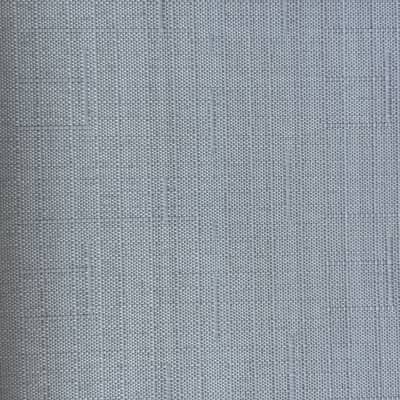
Cross-Slub Polyester Fabric
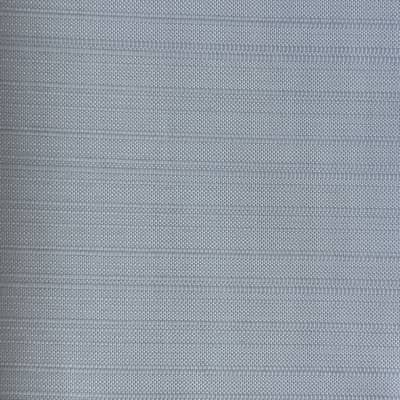
Linear-Slub Polyester Fabric
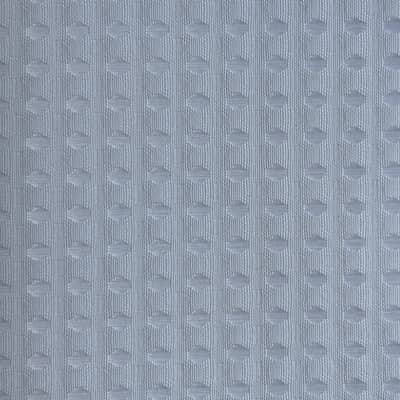
Polyester Waffle Fabric
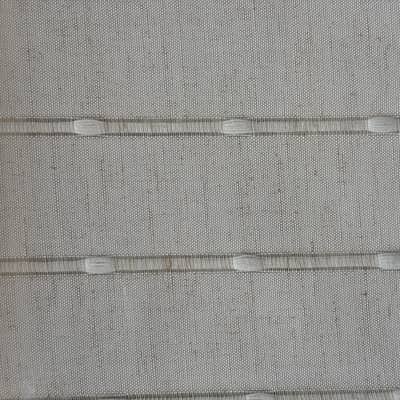
Horizontal-Slub Polyester-Linen Fabric
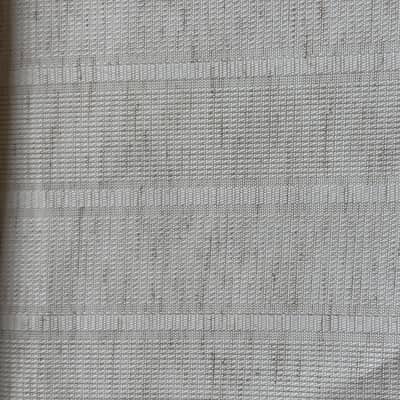
Polyester-Linen Stripe Fabric
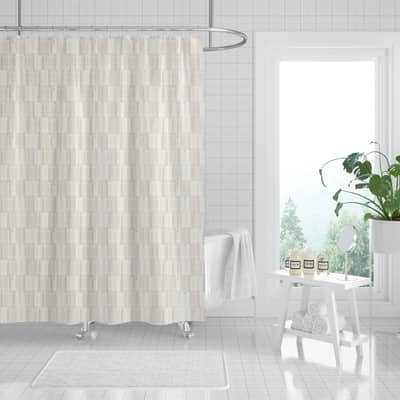
Woven Stripe
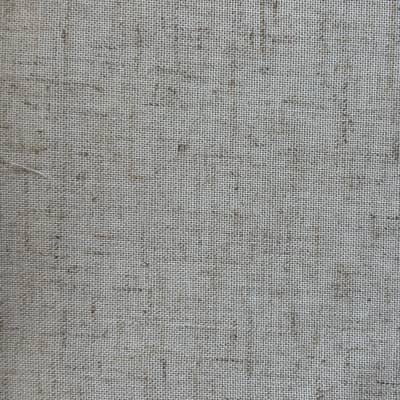
12×12 Plain-Weave Polyester-Linen Fabric
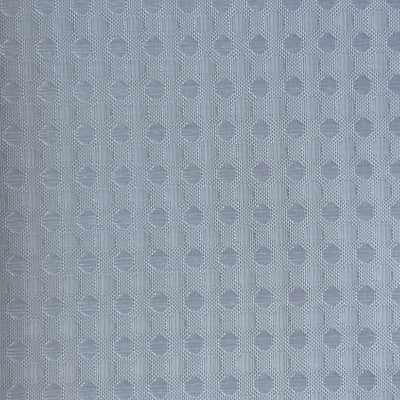
Dotted-Waffle Polyester Fabric
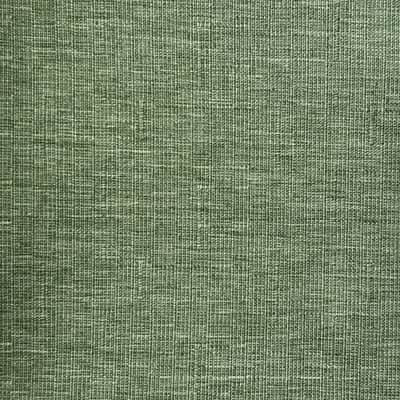
Green Polyester-Linen Slub Fabric
Start with the Pilot, Not the Bulk Order
When you are sourcing shower curtain material for a new hotel project or a private-label launch, the first order is rarely the one that defines your programme. The first order is the one that tells you whether the fabric will drape the way you expect, whether the print will hold its colour, and whether the roll width matches your cutting plan. That is why a low MOQ supplier is not just a convenience; it is a risk-management tool.
At curtains.vip, the usual reference MOQ is 2,000 m per SKU. That is not a refusal threshold. Orders below 2,000 m are accepted with a slightly higher unit price, which means you can test a base fabric in a pilot run before committing to a full container. The trade-off is simple: you pay a little more per meter for the flexibility to validate your specification early.
The key is to treat the pilot as a learning exercise, not a final purchase. Use it to confirm the numbers that matter: GSM, composition, width, and print behaviour. Once those are locked, scaling to bulk becomes a matter of repeating a proven specification rather than hoping a new fabric will work.
GSM: The First Number That Separates Roll Goods
GSM, or grams per square meter, is the first number to settle when comparing shower curtain materials. It affects drape, opacity, and how the fabric feels in hand. A 110 GSM fabric will behave very differently from a 225 GSM fabric, and neither is inherently better; the right choice depends on the end use.
For a lightweight, airy curtain that still offers a soft hand, the Cross-Slub Polyester Fabric (FAB-SLUB-CROSS-110) and the Linear-Slub Polyester Fabric (FAB-SLUB-LINE-110) both sit at 110 GSM. These are 100% polyester bases with a subtle slub texture, and they are printable. They suit projects where you want a casual, textured look without the weight of a heavier weave.
Cross-Slub Polyester Fabric
Linear-Slub Polyester Fabric
At the other end of the scale, the Polyester Waffle Fabric (FAB-WAFFLE-225) comes in at 225 GSM. That heavier weight gives a more substantial feel and a deeper waffle structure, which can read as more premium in a hospitality setting. The trade-off is that a heavier fabric may require more robust hardware and can be less suited to fine print detail, so sampling is essential.
Composition: Polyester-Linen Blends vs. 100% Polyester
Composition is the second number that defines your roll. 100% polyester is the workhorse of the category: it is durable, easy to print, and consistent. But if you want a linen look without the cost and care of real linen, a polyester-linen blend gives you that aesthetic with a more practical base.
The 27-008-8-A Horizontal-Slub Polyester-Linen Fabric (27-008-8-A) is 96% polyester and 4% linen at 140 GSM. The small linen content adds a natural slub texture that reads as more organic than a flat polyester. Similarly, the 27-008-3 Polyester-Linen Stripe Fabric (27-008-3) uses 92% polyester and 8% linen at 130 GSM, with a woven stripe that gives a structured, linear look.
Horizontal-Slub Polyester-Linen Fabric
Polyester-Linen Stripe Fabric
Woven Stripe
For a higher linen content, the 12×12 Plain-Weave Polyester-Linen Fabric (12X12-PL) is 85% polyester and 15% linen at 165 GSM. That higher linen share gives a more pronounced natural texture and a slightly stiffer hand, which can be desirable for a tailored, hotel-grade curtain. The trade-off is that higher linen content can affect print absorption, so always request a print test on the actual base.
Print Compatibility: Not Every Base Takes Ink the Same Way
If your project involves custom prints, the base fabric is not just a canvas; it is an active partner in the result. A smooth, tight weave will hold fine detail better than a loose, textured one. A slub or waffle surface will scatter the ink, creating a softer, more diffused image. Neither is wrong, but you need to know which effect you are designing for.
All the fabrics listed here are marked as printable, but that does not mean they print identically. The Dotted-Waffle Polyester Fabric (FAB-WAFFLE-DOT-120) at 120 GSM has a repeating dot pattern that will interrupt a continuous image. The 27-MA Green Polyester-Linen Slub Fabric (27-MA) at 165 GSM has a slub texture that adds depth but may reduce sharpness in fine lines.
Dotted-Waffle Polyester Fabric
Green Polyester-Linen Slub Fabric
The practical step is to order a strike-off or a small print sample before committing to a full run. That is where a low MOQ supplier becomes valuable: you can test the interaction between your artwork and the base without paying for a full production run. Ask your supplier to print your design on the exact fabric you intend to use, not on a generic substitute.
Matching Verified Fabrics to Buyer Scenarios
Different buyer scenarios call for different material priorities. A hotel buyer looking for a premium, textured curtain might lean toward the Polyester Waffle Fabric (FAB-WAFFLE-225) for its substantial hand, or the 12×12 Plain-Weave Polyester-Linen Fabric (12X12-PL) for a more tailored, natural look. A retailer launching a private-label line with a bold print might prefer a smoother, lighter base like the Cross-Slub Polyester Fabric (FAB-SLUB-CROSS-110) to keep costs down and print clarity high.
For a project that needs a linen aesthetic on a budget, the 27-008-8-A Horizontal-Slub Polyester-Linen Fabric (27-008-8-A) or the 27-008-3 Polyester-Linen Stripe Fabric (27-008-3) offer that look at a lower linen percentage, which typically means a more competitive price. If you need a subtle texture that still prints well, the Linear-Slub Polyester Fabric (FAB-SLUB-LINE-110) or the Dotted-Waffle Polyester Fabric (FAB-WAFFLE-DOT-120) are worth sampling.
The point is not to pick a fabric in isolation. It is to match the material to the end use, the print design, and the budget. A low MOQ lets you test two or three candidates side by side, compare their hand and print quality, and then make an informed decision.
A Practical Checklist for Low MOQ Orders
Before you request a quotation for a pilot run, work through this checklist to make sure you are comparing like with like.
Use the checklist to structure your conversation with the supplier. It will help you avoid the common mistake of comparing prices without comparing specifications.
- Confirm the exact GSM and composition of the fabric you are quoting. Do not assume two similar-looking fabrics are the same.
- Ask for the roll width. This affects how many curtain panels you can cut per meter and directly impacts your yield.
- Request a print test on the actual base if you plan to print. A generic test on a different fabric will not tell you how your design will behave.
- Clarify the MOQ for your specific SKU. Remember that orders below 2,000 m are possible with a slightly higher unit price.
- Ask about sampling lead time and whether a strike-off or lab dip is included in the sample cost.
- Discuss packaging options for the roll goods, especially if you are shipping internationally and need protection against moisture.
Next Steps with curtains.vip
Shaoxing Haowen Textile Clothing Co., Ltd. (the company behind the curtains.vip team) works with international buyers on shower curtain fabrics and finished products. We are based in Shaoxing, Zhejiang, China, and we understand that a pilot run is often the smartest way to enter a new market or launch a new design.
If you are ready to test a specific material, review the verified fabrics on our /products page and note the SKUs that match your project. Then contact us through the /contact page with your target GSM, composition, and print requirements. We will confirm the MOQ and unit price for a pilot order, and we can guide you through the sampling process so you know exactly what to expect before you scale.
A low MOQ supplier is not about making small orders forever. It is about giving you the confidence to make a larger order later, based on evidence rather than guesswork.
Questions buyers ask
What is the typical MOQ for shower curtain material from curtains.vip?
The usual reference MOQ is 2,000 m per SKU. Orders below 2,000 m are accepted with a slightly higher unit price, so you can pilot a fabric before committing to bulk.
Can I order a small quantity to test a fabric before bulk production?
Yes. We accept orders below the 2,000 m reference MOQ at a slightly higher unit price. This allows you to test GSM, composition, and print quality on the actual base before scaling.
How do I know which fabric will print well for my design?
All fabrics listed on curtains.vip are printable, but print results vary by texture and weight. Request a print test on the exact fabric you plan to use, especially if your design has fine lines or gradients.
What information should I provide to get an accurate quotation?
Provide your target GSM, composition preference (e.g., 100% polyester or a polyester-linen blend), roll width if you have a requirement, and whether you need printing. This helps us match you to the right SKU and confirm MOQ and pricing.