
Hotel Textile Buyer Specification Priorities: What a Procurement Team Cannot Delegate
A hotel procurement team, a retail buyer and a private-label manager can look at the same roll and rank its facts in three different orders. This note maps where specification priorities diverge across jacquard, slub and printed bases, and which trade-offs belong to each brief.

PRODUCTS
Products in this report
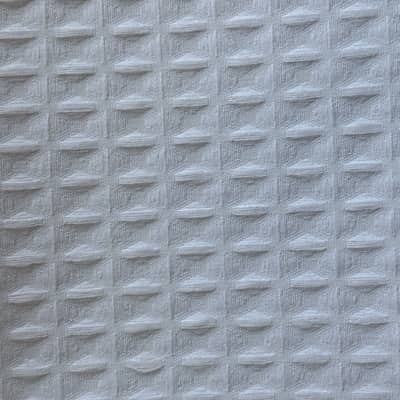
Diamond Jacquard Fabric
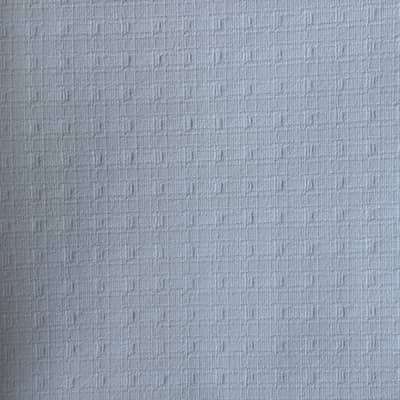
Fine Grid Jacquard Fabric
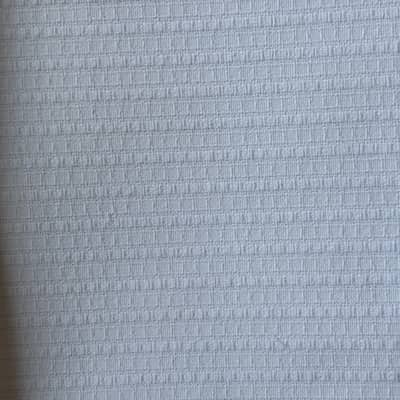
Fine Textured Jacquard Fabric
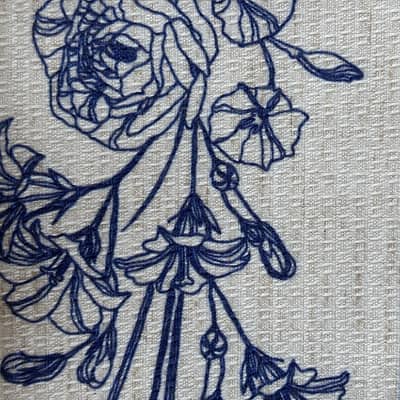
27-001-F Navy Floral Polyester-Linen Fabric
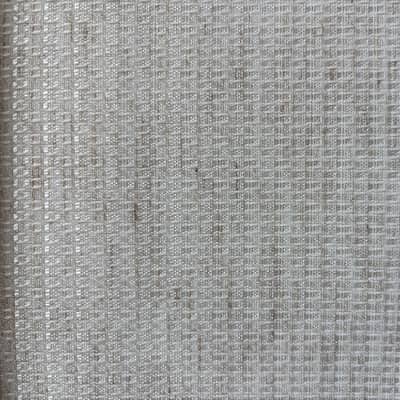
Polyester-Linen Textured Fabric
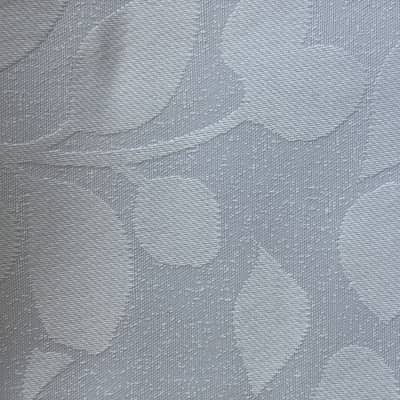
56 Large Leaf Jacquard Fabric
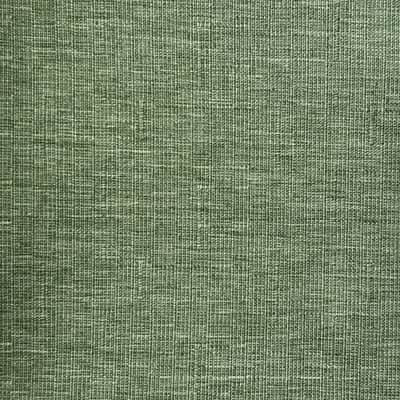
Green Polyester-Linen Slub Fabric
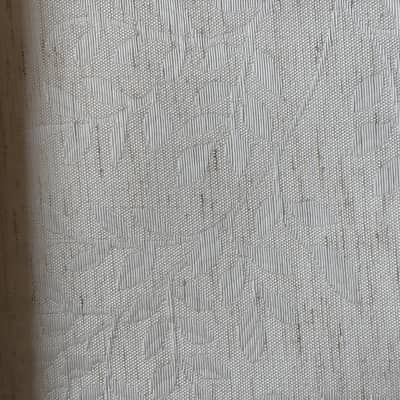
55 Large Floral Jacquard Fabric
Three Briefs, Three Different First Questions
A hotel procurement team opens a fabric file and looks for the number that survives a replacement cycle. A retail buyer opens the same file and looks for the number that survives a shelf reset. A private-label manager opens it and looks for the number that survives a second season of colourways. The roll is identical. The ranking is not.
That ranking is what specification priorities actually means in practice. It is not a universal checklist. It is the order in which a buyer is willing to trade one property against another when the budget, the calendar or the brand story forces a choice. A hotel that ranks surface durability first will accept a heavier jacquard and pay for the weight. A retail programme that ranks sell-through first may accept a lighter base and a print. Neither is wrong; they are solving different problems with the same catalogue.
Where a Hotel Programme Spends Its Specification Budget
A hotel programme buys replacement rhythm. The curtain in a guestroom is judged after it has been hung, cleaned, rehung and compared against the panel beside it. That makes surface consistency the first priority, ahead of colour novelty and often ahead of price per metre, because a visible mismatch between two panels in one corridor is a maintenance complaint rather than a design issue.
This is where a raised jacquard earns its place. 27-DS001-A Diamond Jacquard Fabric is a 180 GSM 100% polyester base with a raised diamond texture, and the structure does two useful things for a hotel brief: it holds a shadow at a distance, so a plain wall reads as finished rather than flat, and it gives the eye something to follow other than a small tonal drift between production runs. The limitation is equally clear. A raised surface is a surface that can be read, so it has to be viewed on a vertical panel under the property's own lighting before approval, not on a table under a warm sample-room lamp.
Two more jacquards sit in the same weight band and widen the choice without duplicating it. 27-DS001-H Fine Grid Jacquard Fabric is a 190 GSM 100% polyester base with a fine grid structure, the heaviest of the three, and it suits a corridor or a public-area drape where the surface has to hold its shape over a longer span. 27-DS001-D Fine Textured Jacquard Fabric is a 180 GSM 100% polyester base in a white register, quieter than the diamond and easier to pair with a neutral scheme. A hotel shortlist that names all three is not indecision; it is a hedge against a single supplier surface becoming the only option in the range.
Retail Ranks the Hanging Moment First
A retail buyer rarely has the luxury of judging a fabric in service. The judgement happens at three metres, under store lighting, on a hanging product that has to justify its ticket before a customer touches it. That shifts the first priority from surface consistency to visual read, and it changes which facts matter.
A printed base moves up the ranking here, because print is what carries a seasonal story and a seasonal story is what earns a facing. 27-001-F Navy Floral Polyester-Linen Fabric is a 150 GSM base at 92% polyester and 8% linen, printable, with a navy floral repeat. For a retail programme the linen content is doing quiet work: it softens the hand and gives the print a slightly less synthetic ground than a pure polyester base would, which matters when the product is judged by touch as well as by sight. The limitation is that a printed base commits the range to a colourway. If the navy floral sells, the replenishment question becomes whether the same base can be reprinted at the same register, and that question belongs in the specification before the first order, not after the second.
27-001-F Navy Floral Polyester-Linen Fabric
Polyester-Linen Textured Fabric
A retail buyer who wants texture without a print commitment can look at 56 Large Leaf Jacquard Fabric, a 160 GSM 100% polyester base with a large leaf motif, printable. It carries the visual interest of a pattern while remaining a base the programme can reprint or leave plain. The trade-off is scale: a large motif reads strongly on a full panel and can crowd a small window, so it suits a feature position more naturally than a whole-room roll-out.
Private Label Buys the Right to Change Its Mind
A private-label programme is not buying a fabric. It is buying the option to put a different print, a different colourway or a different logo on the same base next season without respecifying the cloth. That makes print status the first priority, ahead of surface and ahead of weight, because a base that cannot accept ink closes the programme's future.
This is where a slub base becomes useful rather than merely attractive. 27-MA Green Polyester-Linen Slub Fabric is a 165 GSM base at 95% polyester and 5% linen, printable, with an irregular slub surface. The slub gives the programme a natural-looking ground that does not read as a flat synthetic, and the printable status means the same roll can carry a new motif in the next cycle. The limitation is that a slub surface is uneven by design, so a fine, high-detail motif can lose definition where the yarn thickens and thins. A private-label programme that intends to run detailed artwork should test the actual motif on the actual base rather than approve from a generic swatch.
55 Large Floral Jacquard Fabric is a 165 GSM base at 95% polyester and 5% linen, printable, with a large floral motif in a natural ivory register. It sits between the two positions: it already carries a pattern, so it can anchor a first season, and it remains printable, so it can absorb a new direction later. For a programme that has to show something in season one and keep its options open for season two, that combination is the practical reason to shortlist it.
The Trade-Offs That Do Not Travel Between Briefs
Three trade-offs recur across all three briefs, and each one is ranked differently depending on who is buying.
Surface versus printability. A raised jacquard gives a hotel a surface that reads at a distance, but a programme that intends to reprint the base has to confirm the printable status of the exact SKU rather than assume it. Printability is a product-specific property, not a category-wide one, and the catalogue carries both printable and non-printable surfaces.
Weight versus hand. The 150 to 190 GSM band covers most of the bases discussed here, and the difference between 150 GSM and 190 GSM is not a quality judgement. It is a decision about how much cloth the application can carry. A lighter base drapes more readily; a heavier base holds a structure. A hotel corridor and a retail shelf do not want the same answer.
Pattern scale versus range flexibility. A large motif is a stronger selling signal and a narrower one. A programme that commits to a large floral or a large leaf has committed to a look, and the next season has to work with it or replace it. A quieter base keeps more doors open and asks more of the merchandising around it.
What Our Own Search Rows Do and Do Not Show
Searches for hotel and hospitality textile terms have reached curtains.vip, but the volumes are small and the rows describe our own site rather than the wider market. They tell us which questions buyers bring to our catalogue. They do not establish market size, market share, growth or direction, and we do not treat them as evidence of an industry trend.
The useful signal is narrower. Buyers arrive with a project brief and a set of priorities already half-formed, and the specification conversation is often about which priority has to give. That is an observation about our own enquiry pattern, not a claim about the global hospitality textile market.
A Shortlist Framework for Your Own Range
Before the next range review, write down the order in which your brief is willing to trade. Name the first priority, the second and the one that can move. Then check the shortlist against it.
If surface consistency ranks first, the shortlist should name at least two jacquard bases in the same weight band, so that one supplier surface is not the only option in the range. If visual read ranks first, the shortlist should name a printed base and a patterned base, so the range can carry a seasonal story and a texture story at the same time. If future flexibility ranks first, the shortlist should name only bases whose printable status has been confirmed on the exact SKU, and the sample request should include the intended motif on the intended base.
The commercial terms belong at the end of this exercise, not the start. The usual reference MOQ is 2,000 m per SKU, and orders below that are accepted with a slightly higher unit price, which lets a single property or a single retail door be tested before a group-wide commitment. Shaoxing Haowen Textile Clothing Co., Ltd. (the company behind the curtains.vip team) develops curtain, shower-curtain and table-linen fabrics, including custom print development and finished shower curtain OEM/ODM, so a hotel brief and a retail brief can be worked against one range rather than two separate sourcing conversations. The verified bases described here can be reviewed at /products, and a specification question can be put to the team through /contact. The usual reference MOQ is 2,000 m per SKU; orders below 2,000 m are also accepted, with a slightly higher unit price.
Questions buyers ask
Should a hotel brief rank printability above surface consistency?
Usually not. A hotel programme is judged on whether two panels in the same corridor read alike, which makes surface consistency the first priority. Printability moves up only if the property intends to run a logo programme or a recurring colourway on the same base, and even then it applies only to the exact SKU that has been confirmed as printable.
Is a heavier jacquard always the safer choice for a contract project?
No. Weight is a decision about how much cloth the application can carry, not a quality ranking. A 190 GSM fine grid jacquard suits a public-area drape that has to hold its shape, while a 150 GSM printed base suits a hanging product judged at a distance. The safer choice is the one that matches the position the cloth will actually occupy.
How should a private-label programme test a base before committing to a season?
Request the intended motif on the exact base being shortlisted, on a panel from the same roll, and retain a reference panel from that roll. A generic swatch confirms surface and hand but does not show how the base behaves with the artwork the programme intends to run.