
Shower Curtain Material OEM Manufacturer: Turning a Fabric Brief into a Repeatable Specification
A shower curtain material OEM manufacturer does more than supply fabric. This article explains how to turn a fabric brief into a repeatable specification, with verified fabrics from curtains.vip.

PRODUCTS
Products in this report
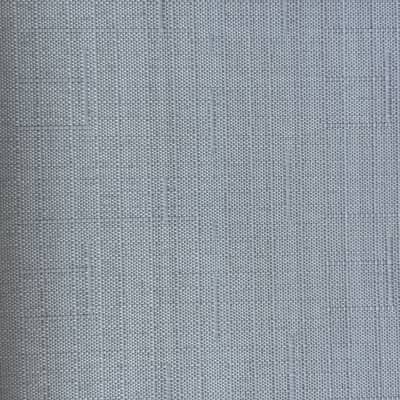
Cross-Slub Polyester Fabric
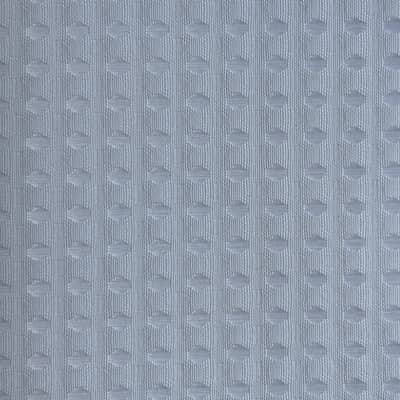
Polyester Waffle Fabric
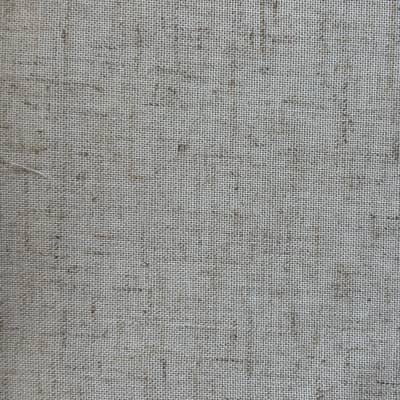
12×12 Plain-Weave Polyester-Linen Fabric
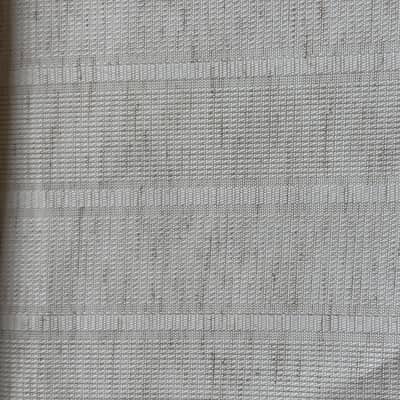
Polyester-Linen Stripe Fabric
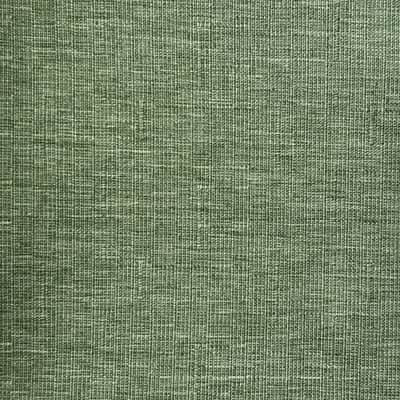
Green Polyester-Linen Slub Fabric
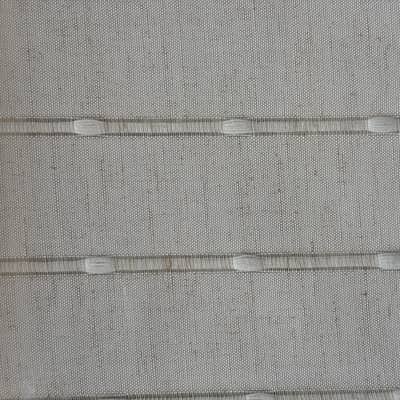
Horizontal-Slub Polyester-Linen Fabric
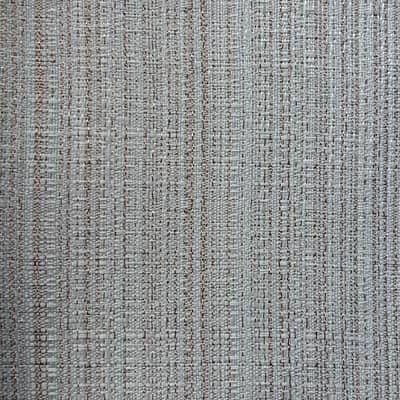
16# Rose-Gold Mini Jacquard Fabric
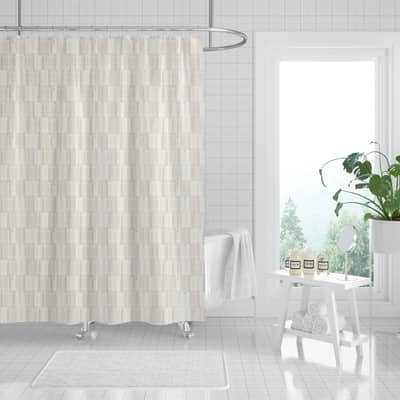
Woven Stripe
Start with the Specification, Not the Swatch
When you approach a shower curtain material OEM manufacturer, the first mistake is leading with a swatch. A swatch shows texture and colour, but it does not tell you the GSM, the exact composition, or whether the base is printable. Those numbers decide cost, lead time, and whether the finished curtain matches your programme.
At curtains.vip, we work with buyers who need repeatable specifications for hotel projects, retail ranges, and private-label programmes. curtains.vip behind the curtains.vip team is Shaoxing Haowen Textile Clothing Co., Ltd. (the company behind the curtains.vip team), and our daily work is turning a fabric brief into a roll goods order that can be reproduced. This article walks through the decisions that matter, using verified fabrics from our current range.
GSM: The First Number That Separates Roll Goods
GSM is the weight of the fabric in grams per square metre. It affects drape, opacity, and how the curtain feels in the hand. A 110 GSM base is light and economical; a 225 GSM base is heavy and structured. Neither is 'better'—the right choice depends on the end use.
For a hotel guestroom, a mid-weight fabric around 140–165 GSM often balances hand feel and cost. For a retail programme where price point matters, a lighter base may be appropriate. For a premium spa line, a heavier waffle or textured base can justify a higher price.
Our verified range includes fabrics from 110 GSM to 225 GSM. For example, the Cross-Slub Polyester Fabric (FAB-SLUB-CROSS-110) is 110 GSM, while the Polyester Waffle Fabric (FAB-WAFFLE-225) is 225 GSM. Knowing your target GSM before you request samples saves time and avoids costly revisions.
Composition: Polyester-Linen Blends vs. 100% Polyester
Composition is the second number to lock down. 100% polyester is the workhorse of the category: it is durable, easy to print, and cost-effective. Polyester-linen blends add a natural, textured look that is popular in hospitality and residential design, but they behave differently in printing and finishing.
Linen content can affect the surface texture and the way ink sits on the fabric. A higher linen content, such as the 12×12 Plain-Weave Polyester-Linen Fabric (12X12-PL) at 85% polyester and 15% linen, gives a more pronounced slub and a more natural hand. A lower linen content, like the 27-008-3 Polyester-Linen Stripe Fabric (27-008-3) at 92% polyester and 8% linen, offers a subtle texture with less variation.
12×12 Plain-Weave Polyester-Linen Fabric
Polyester-Linen Stripe Fabric
When you specify a blend, you need to know the exact ratio. Our product pages list the composition for every fabric, so you can compare options without guessing. For example, the 27-MA Green Polyester-Linen Slub Fabric (27-MA) is 95% polyester and 5% linen, while the 27-008-8-A Horizontal-Slub Polyester-Linen Fabric (27-008-8-A) is 96% polyester and 4% linen. These differences matter when you are matching a swatch or a Pantone reference.
Print Compatibility: Not Every Base Takes Ink the Same Way
If your programme involves custom prints, print compatibility is a non-negotiable specification. Some fabrics are engineered for digital printing; others are not. Printing on a non-printable base leads to poor colour yield, bleeding, or a muddy result.
Our product data clearly marks which fabrics are printable. For instance, the Cross-Slub Polyester Fabric (FAB-SLUB-CROSS-110) is printable, while the 16# Rose-Gold Mini Jacquard Fabric (FAB-16-RG) is not. The metallic yarn in the jacquard base interferes with ink adhesion, so it is best used for solid-colour or woven-pattern curtains.
When you brief a shower curtain material OEM manufacturer, specify whether you need print capability. If you do, ask for a print test on the actual base before committing to bulk. This is especially important for blends with linen or slub, where the texture can affect the final look.
MOQ and Order Planning: What to Expect from an OEM Partner
MOQ is a practical constraint that shapes your order planning. Our usual reference MOQ is 2,000 metres per SKU. That is not a refusal threshold—orders below 2,000 metres are accepted with a slightly higher unit price. For pilot runs or small private-label tests, this flexibility lets you validate the product before scaling.
When you plan an order, think in terms of metres, not pieces. A finished shower curtain typically uses around 2–3 metres of fabric, depending on width and drop. Your OEM partner can help you calculate the exact requirement, but it is useful to have a rough estimate before you ask for a quotation.
For a hotel project with 500 rooms, you might need 1,000–1,500 metres of fabric. That falls below our standard MOQ, but we can still produce it with a small price adjustment. For a retail range with multiple SKUs, you can combine orders to reach the MOQ more efficiently.
- Confirm GSM and composition before requesting samples.
- Check print compatibility for any custom design.
- Calculate your metre requirement based on curtain dimensions.
- Ask about MOQ flexibility for pilot runs.
- Request a print test on the actual base fabric.
Matching Verified Fabrics to Buyer Scenarios
Different buyer scenarios call for different fabrics. Here is how our verified range maps to common use cases.
For a hotel project that needs a natural, textured look with print capability, the 27-008-3 Polyester-Linen Stripe Fabric (27-008-3) is a strong choice. At 130 GSM, it is light enough for easy handling but has enough structure for a crisp drape. The woven stripe adds visual interest without the cost of a jacquard.
For a retail programme that prioritises cost and printability, the Cross-Slub Polyester Fabric (FAB-SLUB-CROSS-110) offers a 100% polyester base at 110 GSM. It is printable and economical, making it suitable for high-volume, price-sensitive orders.
For a premium spa or boutique line, the Polyester Waffle Fabric (FAB-WAFFLE-225) provides a heavy, textured hand at 225 GSM. It is printable, so you can add a subtle logo or pattern, but the waffle weave itself is the main feature.
For a private-label programme that wants a linen look without the cost of high linen content, the 27-008-8-A Horizontal-Slub Polyester-Linen Fabric (27-008-8-A) at 96% polyester and 4% linen offers a subtle slub at 140 GSM. It is printable and balances texture with practicality.
For a designer range that needs a metallic accent, the 16# Rose-Gold Mini Jacquard Fabric (FAB-16-RG) is not printable, but it delivers a distinctive woven pattern with metallic yarn. Use it for solid-colour curtains where the fabric itself is the design statement.
Next Steps: Turning This into a Quotation
Once you have your specification—GSM, composition, print compatibility, and MOQ—the next step is to request a quotation. At curtains.vip, we can provide samples and pricing for the fabrics that match your brief. If you are unsure which base fits your project, our team can help you narrow down the options.
Review our full product range at /products or contact us through /contact to discuss your programme. The more detail you provide, the faster we can respond with a workable quotation.
Questions buyers ask
What is the typical MOQ for shower curtain material from curtains.vip?
Our usual reference MOQ is 2,000 metres per SKU. Orders below 2,000 metres are accepted with a slightly higher unit price, so pilot runs and small private-label tests are possible.
Can I get a custom print on any fabric?
No. Print compatibility is product-specific. Our product pages indicate which fabrics are printable. For example, the Cross-Slub Polyester Fabric is printable, while the 16# Rose-Gold Mini Jacquard Fabric is not. Always request a print test on the actual base before bulk production.
How do I calculate the fabric quantity for my order?
Estimate the metres needed per finished curtain based on width and drop. A typical shower curtain uses 2–3 metres of fabric. Multiply by the number of curtains to get your total metre requirement, then compare with the MOQ.
What information should I provide when requesting a quotation?
Provide the target GSM, composition (if known), print compatibility requirement, and estimated order quantity. If you have a swatch or Pantone reference, include that as well. This helps us match you to the right fabric and respond quickly.