
The Golden Sample Is Not the Swatch You Liked: Approving a Textile Reference Before the Bulk Run
A golden sample is not the swatch a buyer liked in a meeting. It is the signed reference the bulk run is judged against. This field note separates what can be seen from what must be measured, tested and priced, and closes on the one approval question that matters.

PRODUCTS
Products in this report
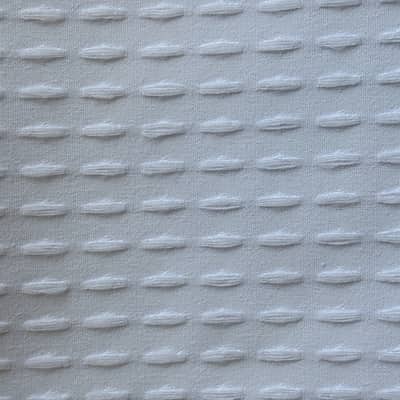
Raised Dash Jacquard Fabric
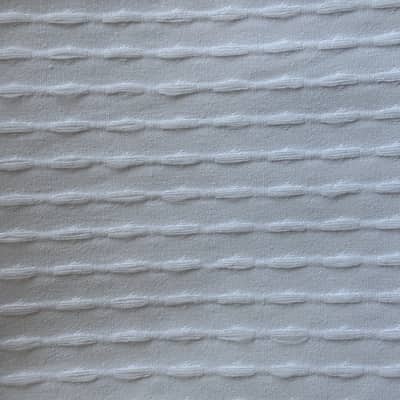
Vertical Dash Jacquard Fabric
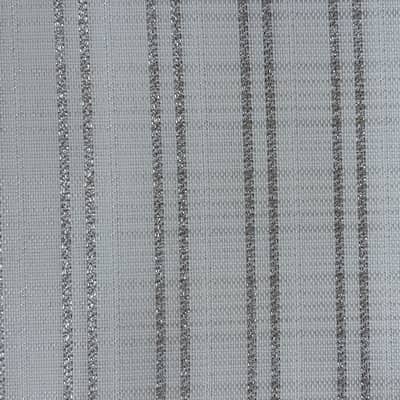
Silver Metallic-Stripe Mini Jacquard Fabric
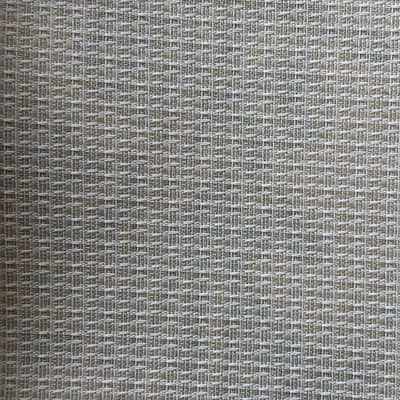
Crosshatch Linen-Look Fabric
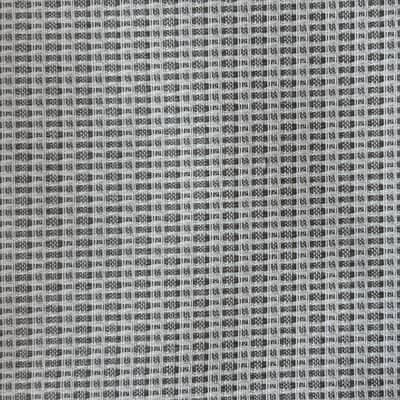
Vertical-Stripe Polyester-Cotton Linen-Look Fabric
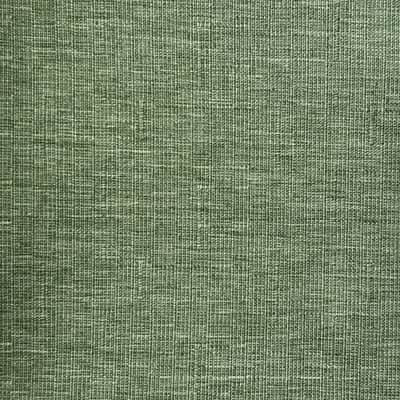
Green Polyester-Linen Slub Fabric
The Panel That Looks Right Under the Wrong Light
A jacquard panel pinned flat on a sample-room wall reads as a soft white with a fine grid running true across the face. Take the same panel down, fold it in half, and the grid breaks at the crease into a faint shadow line. Hang it on a rail under a cool corridor light and the white turns a half-step grey. Nothing about the cloth has changed. The viewing condition has.
That shift is the whole reason a golden sample exists. The panel a buyer signs is not a picture of the fabric. It is the physical reference that every later delivery will be compared against, and it has to survive being looked at in the position the finished product will actually occupy. If the reference is approved flat under a warm lamp and the product ships into a bathroom with one hard light source, the approval has already failed.
What the Signed Reference Has to Carry
A golden sample is usually confused with two other documents. A lab dip is a colour target. A swatch is a sales tool. The golden sample is neither. It is the retained panel from a specific roll, cut to the finished width and presentation, signed by both sides, and stored so that the next production lot can be judged against it rather than against memory.
For that to work, the reference has to name more than the colour. It should carry the SKU, the GSM, the composition, the print status and the roll it came from. A buyer comparing a second delivery to a reference panel that does not state its GSM is comparing two fabrics, not two lots of the same fabric.
This is also where the reference panel earns its keep on surfaces that are directional. A vertical-dash jacquard and a fine-grid jacquard can sit in the same weight band and still read differently once the cloth is hung, because the structure has an axis. A flat swatch hides that. A retained panel cut on the intended axis does not.
Where Weight and Structure Stop Being Interchangeable
Take two verified jacquard bases from the same range. 27-DS001-F is a 100% polyester raised-dash jacquard at 185 GSM, printable. 27-DS001-E is a 90% polyester, 10% cotton vertical-dash jacquard at 195 GSM, also printable. On a spec sheet the gap is ten grams and a dash direction. On a rail, the heavier cotton-blend base holds a deeper shadow in the fold and the lighter base presents a flatter face.
Raised Dash Jacquard Fabric
Vertical Dash Jacquard Fabric
Neither is the better cloth. The point is that a golden sample approved on one of them tells you nothing about the other, even though both are white jacquards from the same mill family. The reference is SKU-specific by definition. If a buyer signs a panel of the lighter base and the bulk order is later moved to the heavier one for scheduling reasons, the approval has to be repeated.
The same logic applies to a metallic accent. 27-002-C is a 98% polyester, 2% metallic-yarn silver mini jacquard at 135 GSM, and it is not printable. A buyer who approves a golden sample of a printable base and then adds a metallic accent panel to the same programme is holding two references, not one. They will not behave the same under a light source, and they cannot be judged by the same signed panel.
What Has to Be Measured, Tested and Priced
The visible part of the approval is the surface. The part that decides whether the second order matches the first is the measurement. GSM, composition and width belong on the approval record because they are the numbers a mill can drift on without the surface changing enough to notice at arm's length. A 155 GSM crosshatch linen-look base such as 27-001-E and a 160 GSM vertical-stripe polyester-cotton base such as 27-001-B sit close enough in weight that a buyer would not catch a swap by hand. The record catches it.
Crosshatch Linen-Look Fabric
Vertical-Stripe Polyester-Cotton Linen-Look Fabric
Testing belongs in the same conversation, but only the tests the brief actually needs. A hospitality programme that will launder the cloth repeatedly is buying a different set of assurances from a retail programme that will fold it on a shelf. The golden sample should carry the test plan the buyer intends to run, not a generic list copied from a previous project.
Pricing follows the same discipline. A quotation that names a price per metre without naming the SKU, the GSM and the print status is not comparable to another quotation. The usual reference MOQ is 2,000 m per SKU, and orders below that are accepted with a slightly higher unit price, which is what makes a single-lot pilot against a signed reference panel a legitimate way to test a base before the range commitment. The usual reference MOQ is 2,000 m per SKU; orders below 2,000 m are also accepted, with a slightly higher unit price.
Two Bases, Two Different Approval Questions
Consider a private-label programme weighing two printable linen-look options. 27-001-E is a 100% polyester crosshatch at 155 GSM. 27-MA is a 95% polyester, 5% linen slub at 165 GSM, printable. Both can carry a print file. The crosshatch reads even and quiet from a metre away; the slub breaks light into small uneven patches and reads warmer in the hand.
If the programme intends to run a motif over the base, the golden sample has to be approved with the motif on it, not as a blank panel. A blank reference tells the buyer what the base looks like. It does not tell the buyer how the ink sits on the slub, where the print registration softens, or whether the motif still reads once the cloth is gathered. The approval question for a printed programme is a printed panel.
If the programme intends to keep the base plain and let the surface carry the product, the golden sample question is narrower: does the retained panel, viewed in the position the finished cloth will occupy, still read as the surface the buyer thought they were buying. That is a different test on a different panel, and it is the one that belongs in the file.
Where Our Own Enquiry Rows Sit in This
Searches for golden-sample and approval terms have reached curtains.vip, but the volumes involved are small and the rows describe our own site, not the wider market. They tell us which questions buyers bring to our catalogue. They do not establish market size, share or direction, and we do not treat them as evidence of a trend.
The useful signal is narrower. Buyers arrive with a surface in mind and a specification they have not yet written down. The approval conversation is where that specification gets fixed, and it is the point where a supplier either confirms that the roll sampled is the roll that will ship, or leaves the buyer to discover the difference at the second delivery.
Questions buyers ask
Is a golden sample the same as a lab dip?
No. A lab dip is a colour target approved before production. A golden sample is a retained panel from a specific roll, cut to the finished presentation and signed by both sides, so that later production lots can be judged against a physical reference rather than a colour chip.
Should the golden sample be approved flat or in the finished position?
In the position the finished product will occupy. A panel approved flat under a warm lamp can read differently once it is hung, gathered or folded under the lighting of the room it was bought for. The retained reference should match the viewing condition, not the sample room.
What should be written on the approval record?
At minimum the SKU, the GSM, the composition, the print status and the roll the panel came from. Without those, a second delivery can only be compared to memory, and two fabrics in the same weight band can be mistaken for two lots of the same fabric.