
Curtain, Shower Curtain, and Table Linen Fabrics: A Side-by-Side Look at What the Roll Must Do
A fabric roll does not know whether it will become a drape, a shower curtain, or a tablecloth. The buyer decides by matching weight, composition, and printability to the job. This comparison looks at verified curtains.vip fabrics across three product categories.

PRODUCTS
Products in this report
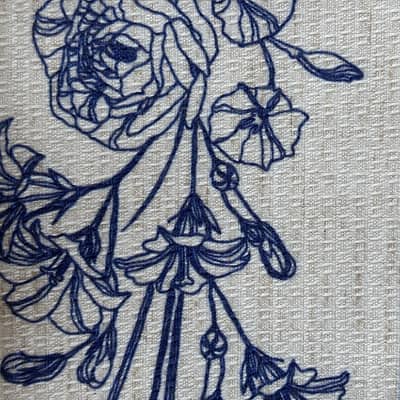
27-001-F Navy Floral Polyester-Linen Fabric
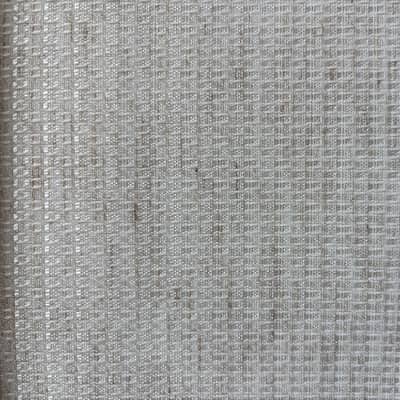
Polyester-Linen Textured Fabric
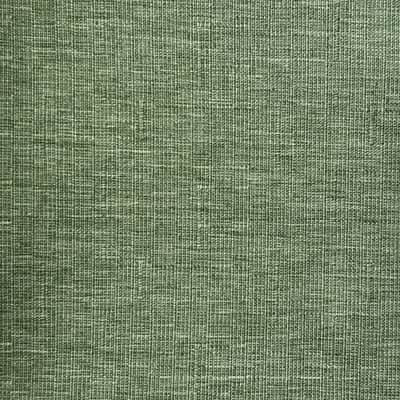
Green Polyester-Linen Slub Fabric
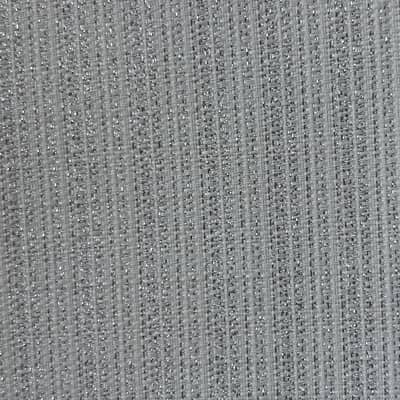
Metallic-Yarn Linen-Look Fabric
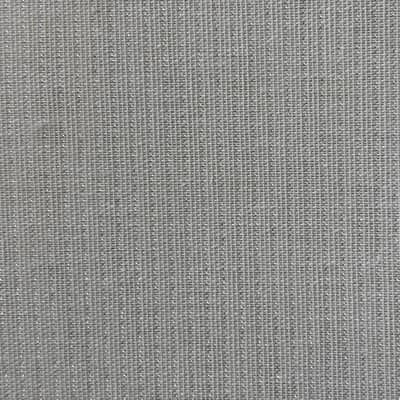
Polyester-Cotton Silver Metallic Fabric A
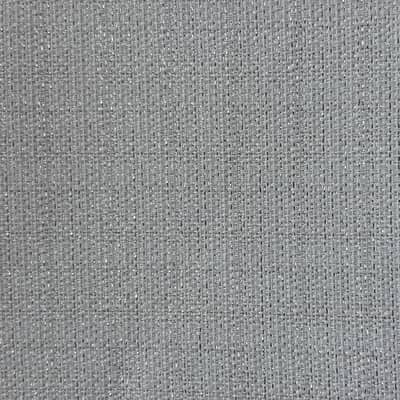
Metallic-Yarn Linen-Look Fabric
One Roll, Three Destinations
Run your hand across a 165 GSM polyester-linen slub and you feel a slight irregularity, a surface that catches light unevenly. That same roll could become a window curtain in a guestroom, a shower curtain in the bathroom, or a tablecloth in the breakfast area. The fabric does not care which job it gets. The buyer has to decide whether the roll's weight, composition, and printability actually fit the task.
The mistake is to treat curtain, shower curtain, and table linen fabrics as separate categories with separate rules. They share the same base cloth logic: weight controls drape and hand, composition controls the surface effect and care profile, and print compatibility controls whether a design can be applied at all. What changes is the order of priority. A window curtain must read well from across a room. A shower curtain must survive humidity and frequent handling. A tablecloth must lie flat and resist creasing between seatings.
This comparison looks at verified fabrics from the curtains.vip range and asks what each roll is actually good for. The goal is not to name a single winner, but to show how the same specification language applies across three hospitality touchpoints.
Weight: The First Number That Separates Jobs
GSM is the most direct way to compare a curtain fabric with a shower curtain or table linen base. A 150 GSM fabric like the 27-001-F Navy Floral Polyester-Linen Fabric sits in a middle zone: heavy enough to drape with some body, light enough to gather easily. For a window curtain, that weight works when you want a soft, natural look without the stiffness of a heavier drape. For a shower curtain, 150 GSM is substantial enough to feel like a real textile rather than a disposable film.
27-001-F Navy Floral Polyester-Linen Fabric
Polyester-Linen Textured Fabric
The 27-MA Green Polyester-Linen Slub Fabric at 165 GSM pushes slightly heavier. That extra 15 grams changes how the fabric falls. A 165 GSM slub reads as more deliberate, more structured, which suits a curtain that needs to hold a pleat or a tablecloth that should not slide around. But for a shower curtain, the same weight can feel heavy when wet, and the slub texture may trap moisture in a way a smoother weave would not.
At the lighter end, the 27-1759-B Metallic-Yarn Linen-Look Fabric at 125 GSM shows why weight is not the only variable. This roll has a metallic yarn content of 12%, which changes its hand feel and its behaviour. Lightweight does not automatically mean flimsy; the metallic yarn adds a crispness that can work for a decorative curtain or a table runner, but it is not printable, which rules out custom printed shower curtains or tablecloths.
Composition: What the Blend Actually Does
The polyester-linen blends in the curtains.vip range illustrate how a small percentage of linen changes the surface story. The 27-001-F is 92% polyester and 8% linen. That 8% is enough to create a subtle, natural texture and a matte finish, without the wrinkling and higher cost of a pure linen cloth. For a curtain, this blend gives a relaxed, residential feel. For a tablecloth, the linen content helps the fabric read as premium, but the polyester base keeps it practical for repeated laundering.
The 27-MA Green Polyester-Linen Slub Fabric uses 95% polyester and 5% linen. The lower linen percentage means the slub effect comes more from the yarn structure than from the fibre blend. This is a useful distinction for buyers: a slub can be engineered in polyester alone, but the linen adds a slightly irregular colour and a softer hand. For a shower curtain, the higher polyester content is an advantage because it resists water better and dries faster, though we do not make specific performance claims without testing.
The metallic fabrics, such as the Polyester-Cotton Silver Metallic Fabric A (85% polyester, 10% cotton, 5% metallic yarn), take composition in a different direction. Cotton adds absorbency and a more natural feel, while the metallic yarn creates a reflective accent. These fabrics are not printable, which limits them to plain or woven-pattern applications. They are more likely to be used as decorative curtains or feature panels than as shower curtains or table linens, where printability is often required.
Printability: A Hard Limit, Not a Preference
Print compatibility is the most binary specification in this comparison. A fabric is either printable or it is not, and that fact determines which product categories it can serve. The 27-001-F Navy Floral Polyester-Linen Fabric is printable, which makes it a candidate for a custom printed shower curtain or a branded tablecloth. The 27-MA Green Polyester-Linen Slub Fabric is also printable, so a hotel could put its logo on a curtain or a table linen.
The metallic fabrics are not printable. The 27-1759-B Metallic-Yarn Linen-Look Fabric, the Polyester-Cotton Silver Metallic Fabric A, and the other metallic SKUs all have a metallic yarn content between 5% and 12%. That yarn creates a surface that does not accept ink consistently. For a buyer, this is not a quality judgment; it is a specification constraint. If your programme requires custom prints, you must choose a printable base. If the design is in the weave itself, a metallic fabric can be the right choice.
The practical implication is that printability should be decided before weight or composition. A 125 GSM metallic fabric may look stunning as a curtain, but if the client wants a pattern, it is out of the running. The 150 GSM printable polyester-linen becomes the default, even if its hand feel is less distinctive. This is why a comparison across categories has to start with the hard limits, not the soft preferences.
Matching Fabrics to Buyer Scenarios
For a hotel project that needs a coordinated look across window, bathroom, and dining areas, the printable polyester-linen blends are the most flexible starting point. The 27-001-F at 150 GSM and the 27-MA at 165 GSM can both take a custom print, so a single design language can be applied to curtains and table linens. The weight difference matters: 150 GSM is better for a gathered shower curtain or a lightweight drape, while 165 GSM gives more body for a tablecloth that needs to lie flat.
A retail buyer building a private-label range might choose the metallic fabrics for a premium, non-printed collection. The 27-1759-B at 125 GSM offers a linen look with a silver accent, which could work for a decorative curtain sold as a statement piece. The Polyester-Cotton Silver Metallic Fabric A at 165 GSM is heavier and includes cotton, giving it a different hand feel that could suit a table runner or a curtain panel. These are not printable, so the collection would rely on the weave and the metallic sheen for its appeal.
For a shower curtain programme, the printable blends are again the safer choice, but the slub texture of the 27-MA may be less suitable than a smoother weave. The 27-001-F, with its floral print, is already positioned as a shower curtain fabric. The buyer should order samples to test how the slub or the print behaves in a humid environment, since we do not make unsupported claims about water resistance or drying time.
The Sample Test That Answers the Real Question
A spec sheet tells you the GSM, the composition, and the print status. It does not tell you how the fabric feels at the edge of a table, how it moves when a guest brushes past a curtain, or how it behaves after a few washes. That is why the sample stage is not a formality; it is the moment when the comparison becomes concrete.
For a curtain, drape a metre of the 27-MA over a rod and look at how the slub catches light from a distance. For a shower curtain, hold the 27-001-F up to a window to check opacity and run your hand over the print to feel the surface. For a tablecloth, lay the 165 GSM fabric on a table and see if it creases when you fold it back. These tests are quick, but they reveal the differences that no number can capture.
When you request samples from curtains.vip, ask for the exact SKU you intend to order, not a similar one. The 27-1759-B and the 27-1759-B1 may look alike in a photo, but they are separate rolls with their own specifications. Shaoxing Haowen Textile Clothing Co., Ltd. (the company behind the curtains.vip team) can supply these verified fabrics, and the /products page lists the full range. The next step is to order a sample of the shortlisted rolls and run the drape, print, and crease tests yourself.
Questions buyers ask
Can the same fabric be used for curtains, shower curtains, and table linens?
Yes, if the fabric meets the requirements of all three applications. A printable polyester-linen blend around 150-165 GSM can work for a curtain, a shower curtain, and a tablecloth, but you must test how it drapes, how it handles moisture, and how it resists creasing. A metallic fabric that is not printable cannot be used for custom printed products, so it is limited to plain or woven-pattern applications.
What is the most important specification to compare across these fabric types?
Print compatibility is the most decisive because it is a binary constraint. If a fabric is not printable, it cannot serve any programme that requires a custom design. After that, weight (GSM) and composition determine how the fabric behaves in each application. A 125 GSM metallic fabric and a 165 GSM polyester-linen blend will perform very differently as a curtain, shower curtain, or table linen.
How should I sample fabrics for a multi-category hospitality project?
Request a sample of at least one metre of each shortlisted SKU. Test the fabric in the specific way you will use it: drape a curtain sample over a rod, hold a shower curtain sample up to light, and lay a table linen sample on a table to check creasing. Compare the samples side by side under the same lighting conditions. Order from the exact SKU you plan to buy, not a similar-looking alternative.