
Tablecloth Fabric for Hotels: When the Banquet Roll and the Restaurant Roll Can't Be the Same
Hotel table linen buyers often pick one fabric for every table. A banquet cloth and a restaurant cloth face different pressures. This decision memo weighs GSM, composition, and print options for hospitality tablecloth fabric.

PRODUCTS
Products in this report
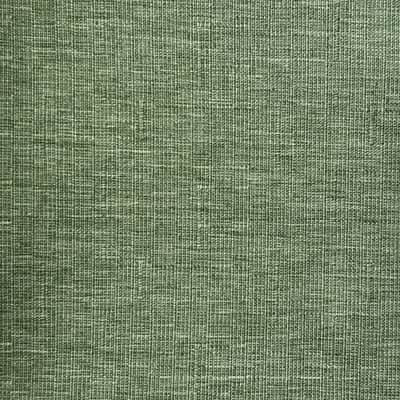
Green Polyester-Linen Slub Fabric
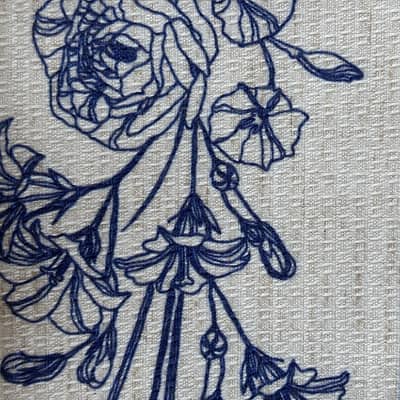
27-001-F Navy Floral Polyester-Linen Fabric
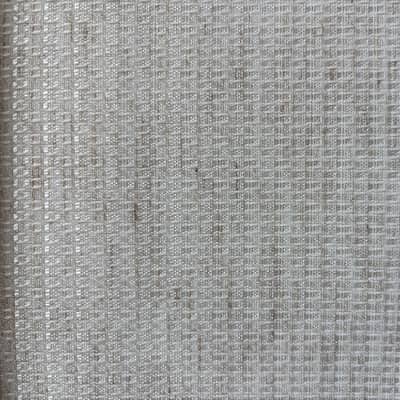
Polyester-Linen Textured Fabric
One Tablecloth Fabric for Every Table?
A purchasing manager is reviewing tablecloth fabric for hotels and has to decide whether one roll can cover the banquet hall, the breakfast room, and the à la carte restaurant. The banquet cloth will be set, stripped, and laundered in high rotation. The restaurant cloth will be seen at close range under directional light and may carry a printed pattern that signals the brand. The instinct to standardise is understandable, but it usually fails at one of the two ends: a fabric heavy enough for banquet turnover feels stiff on a small table, while a lighter, more elegant cloth wears out too quickly under banquet pressure.
The decision is not about finding the single best hospitality tablecloth fabric. It is about defining the operating conditions each table will face, then checking whether one specification can survive both. For many hotel programmes, the answer is two different rolls, and the cost difference is smaller than the cost of replacing a banquet cloth every six months or sending guests to a restaurant with a tired-looking table.
The Brief: What the Cloth Must Survive Before It Looks Good
Start by separating the demands that are operational from those that are aesthetic. Banquet cloths are pulled off tables, bundled, and laundered in industrial machines. They need enough weight to stay in place and enough dimensional stability to keep their shape after repeated washing. Restaurant cloths, by contrast, are often replaced less frequently but are judged on how they drape, how they reflect light, and whether a printed design holds its colour and crispness after a more moderate number of cycles.
The composition of the roll determines how much of that pressure it can absorb. A polyester-linen blend brings a natural, textured look that reads well in a dining room, but the linen content also affects how the fabric behaves in laundering. A higher polyester share tends to improve durability and colour retention, while a higher linen share adds a matte, slightly irregular surface that many hotel designers want. There is no universal right ratio; there is only the ratio that matches the table's actual use.
Weight, measured in GSM, is the second number that separates a banquet roll from a restaurant roll. A heavier cloth will feel more substantial and drape with more body, but it can also be harder to handle in high-volume settings and may take longer to dry. A lighter cloth is easier to manage but may shift on the table or show wear sooner. The practical implication is that the GSM you choose should be tied to the frequency of laundering and the visual effect you need, not to a generic 'hotel quality' label.
The Trade-Off: Weight, Composition, and the Laundry Cycle
The central trade-off is between durability and refinement. A banquet cloth that is too light will start to look tired after a season of high-volume use. A restaurant cloth that is too heavy will feel like a table pad rather than a tablecloth. The compromise that many buyers miss is that a mid-weight polyester-linen blend can serve both roles if the laundry cycle is managed properly, but the moment you introduce a printed design or a very light weight, you are probably committing to a separate roll.
Composition also affects how the fabric takes a print. Not every base is suitable for printing; some textured or metallic yarns are not printable at all. For a restaurant that wants a custom logo or a seasonal pattern, the base must be chosen with printability in mind from the start. A fabric that looks beautiful as a solid may not hold a print well, and a fabric that prints crisply may not have the hand feel the designer wants. This is why the sourcing conversation has to include the print plan, not just the weight and the blend.
There is also the question of how the cloth will be finished. Hemming, edge treatment, and any stain-resistant or wrinkle-resistant finish will interact with the base fabric. A finish that works on a smooth, high-polyester surface may behave differently on a slubby linen blend. The buyer should ask for a sample that has been through the same finishing route as the production roll, not just a greige sample.
Shortlist Logic: Two Rolls, Not One Compromise
Once the brief and the trade-offs are clear, the shortlist starts to take shape. For the banquet side, the priority is a roll that can take repeated laundering and still hold its shape. A heavier polyester-linen blend with a higher polyester share is a sensible starting point. For the restaurant side, the priority is surface interest and print compatibility, which points toward a slightly lighter, more textured base that is also printable.
In our own range at curtains.vip, we work with fabrics that illustrate this split. The 27-MA Green Polyester-Linen Slub Fabric, a 95% polyester, 5% linen blend at 165 GSM, offers the kind of mid-weight body that suits a banquet table where a subtle slub texture is acceptable and the higher polyester content supports laundering. For a restaurant that wants a printed design, the 27-001-F Navy Floral Polyester-Linen Fabric, a 92% polyester, 8% linen blend at 150 GSM, is a printable option that carries a pattern while keeping a linen-like surface. These are not the only choices, but they show how weight, composition, and printability work together to separate the two use cases.
Green Polyester-Linen Slub Fabric
27-001-F Navy Floral Polyester-Linen Fabric
Polyester-Linen Textured Fabric
Shaoxing Haowen Textile Clothing Co., Ltd. (the company behind the curtains.vip team) supplies these fabrics as roll goods, and our usual reference MOQ is 2,000 m per SKU. Orders below that are accepted with a slightly higher unit price, which matters when a hotel is piloting a new restaurant cloth or testing a banquet programme before committing to a full rollout. The usual reference MOQ is 2,000 m per SKU; orders below 2,000 m are also accepted, with a slightly higher unit price.
Validation: What to Test Before You Commit
The only way to validate a tablecloth fabric for hotels is to put a sample through the conditions it will actually face. That means laundering it the way your laundry will launder it, not just once, but several times. Check for shrinkage, colour change, and how the surface looks after each cycle. A fabric that looks elegant in a showroom can develop a permanent crease or a fuzzy surface after ten washes.
If you plan to print, test the print on the exact base you intend to order. Print quality depends on the interaction between the ink and the fabric surface, and a slub or a textured weave can cause fine lines to break or colours to shift. Ask for a printed sample on the actual production base, not a similar one.
Also consider the drape. A tablecloth that is too stiff will not sit well on a round table, and one that is too floppy will look untidy. Drape is not a number on a spec sheet; it is a property you have to feel. A sample of at least a metre, hemmed the way the production cloth will be hemmed, is the minimum for a meaningful test.
The Commercial Handoff: What to Put in the RFQ
When you send an RFQ for tablecloth fabric for hotels, include the exact SKU, the GSM, the composition, and the print status. If you are ordering two different rolls, keep them on separate line items so that the quotation reflects the different specifications. Do not ask for 'hotel tablecloth fabric' and expect a useful answer; the supplier needs to know whether the roll is for a banquet hall or a restaurant, and whether it will be printed.
At curtains.vip, we can help you match a fabric to your specific use case. Review the full product range at /products or contact us through /contact. We can provide samples, discuss print development, and confirm the MOQ and unit price for your pilot order.
The Decision Rule
If your tables face high-turnover laundering and no printed pattern, choose a heavier, higher-polyester blend and standardise on it. If a table carries a printed design or needs a refined linen look, give it its own roll, even if that means a second SKU and a slightly higher unit price. The rule is simple: when the operating conditions diverge, the fabric should diverge too.