
Fabric Packing Methods for Export Roll Goods: The Two Rolls That Leave the Mill Looking Alike
Packing is usually the last line of a purchase order and the first thing a buyer inspects on arrival. This note compares how roll presentation, inner protection and outer containment interact, uses verified rolls as boundary cases, and closes on what to put in the packing clause.

PRODUCTS
Products in this report
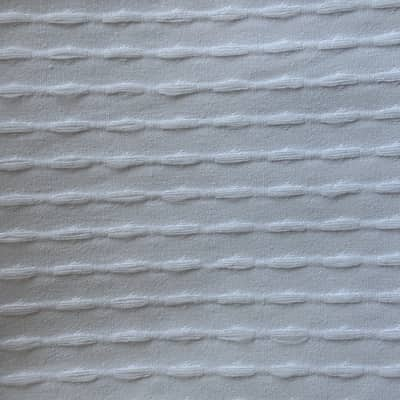
Vertical Dash Jacquard Fabric
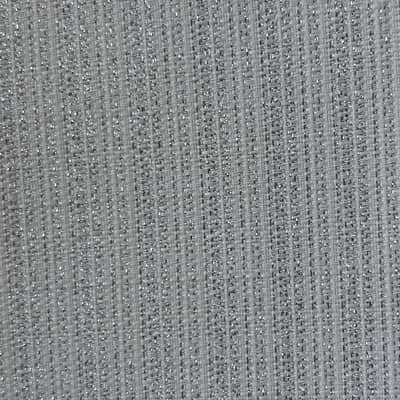
Metallic-Yarn Linen-Look Fabric
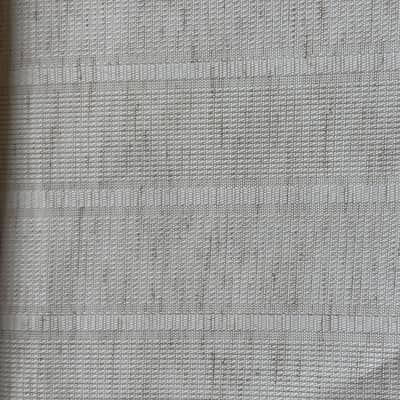
Polyester-Linen Stripe Fabric
Woven Stripe
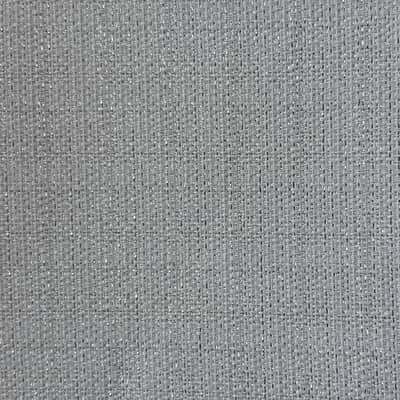
Metallic-Yarn Linen-Look Fabric
Two Rolls on the Loading Bay, One Question Before Either Ships
A 195 GSM vertical dash jacquard and a 125 GSM metallic-yarn linen-look roll can be photographed side by side on a loading bay and read as the same consignment. Both are polyester-dominant, both are roll goods, both are wrapped, labelled and stacked. Nothing in the photograph separates them. What separates them is the packing decision that has already been made, and it was made against two different sets of risks.
The practical question is not which packing method is better. It is what the roll has to survive between the mill door and the buyer's cutting table, and which of those risks the packing is actually being asked to absorb. A heavy structured jacquard and a light metallic-accented linen look do not answer that question the same way, and a single packing clause applied to both is where export complaints usually begin.
What Packing Is Protecting, and What It Is Not
Packing protects a roll from handling, compression, moisture ingress and contamination in transit. It does not protect the cloth from a specification that was never settled, and it does not substitute for inspection. A buyer who receives a roll with a crushed core has a packing problem. A buyer who receives a roll whose surface reads differently from the approved panel has a specification problem that no amount of wrapping will fix.
This distinction matters because packing clauses are often written as reassurance rather than as an instruction. "Suitable for export" is not a specification. It tells the mill nothing about whether the roll will travel as a suspended roll, a palletised stack or a floor-loaded coil, and those three presentations load the cloth in three different ways.
Roll Presentation: The Decision That Sits Above the Wrapping
Before the wrapping is chosen, the roll has to be given a presentation. A roll can travel on a core, suspended so the cloth never rests on itself, or it can travel as a stack where the lower rolls carry the weight of the upper ones. Suspended presentation costs volume and handling. Stacked presentation costs compression risk, and that risk is not evenly distributed across a range.
A 195 GSM vertical dash jacquard such as 27-DS001-E carries a raised structure across its face. Under a stacked load, the raised cells are the first thing to flatten, and a flattened cell does not recover in the same way a plain ground does. A lighter roll, such as the 125 GSM 27-1759-B with its 88% polyester and 12% metallic yarn blend, presents a different problem: it is more likely to be deformed by the weight above it because there is less mass in the roll itself to resist the load. Neither roll is fragile in the ordinary sense. Both are load-sensitive in ways that a plain ground is not.
Inner Protection, Outer Containment and the Moisture Question
Most export packing discussions collapse two separate layers into one. The inner layer sits against the cloth: a protective wrap, a liner, an interleaf. The outer layer contains the roll for handling: a bag, a bale, a carton, a pallet. The inner layer is where moisture protection is decided. The outer layer is where handling damage is decided. A buyer who specifies only one of them has left half the risk unaddressed.
The moisture question is the one most often answered by assumption. A sealed outer bag can trap condensation as easily as it excludes water, particularly where a roll moves between climates or sits in a container through a temperature swing. Whether a desiccant is needed, whether the inner wrap should breathe, and whether the roll should be opened on arrival rather than stored sealed are questions that belong in the packing clause, not in a post-arrival dispute. None of these is a performance claim about the cloth. They are questions about the environment the cloth will occupy before it is cut.
Where the Cloth Itself Changes the Packing Brief
Two verified rolls make the point concretely. 27-DS001-E is a 195 GSM, 90% polyester and 10% cotton vertical dash jacquard, listed as printable. 27-008-3 is a 130 GSM, 92% polyester and 8% linen woven stripe in natural ivory, also listed as printable. Both are printable, both are polyester-dominant, and both would be packed in the same clause if the buyer wrote one clause for the range.
Polyester-Linen Stripe Fabric
Woven Stripe
The difference that matters for packing is structure and weight together. The heavier jacquard has more mass to resist compression but a raised face that shows compression when it happens. The lighter stripe has a flatter surface but less mass, so a stack load transfers more directly to the cloth. A buyer can reasonably ask for suspended presentation on the jacquard and a compression-rated pallet configuration on the stripe, or the reverse, depending on how the container is being loaded. What the buyer should not do is assume that one packing instruction covers both because both are printable roll goods.
There is also a question to validate rather than assume. The metallic-yarn linen-look rolls, 27-1759-B and 27-1759-B1, both carry 12% metallic yarn at 125 GSM. Whether a metallic component changes the handling sensitivity of a roll, and whether it warrants a different inner wrap, is not something this note can settle. It is a question worth putting to the mill against the exact SKU before the packing clause is signed.
What Our Own Search Rows Show, and Where They Stop
Our own Search Console rows for this phrase show no impressions and no clicks in the last 28 days. That is a first-party observation about curtains.vip only. It does not describe global or regional demand for export packing methods, market size, share or direction, and we do not present it as any of those things.
What it does suggest is that buyers are more likely to arrive with a related phrase, such as a question about inspection or roll length, than with a search for packing methods specifically. Packing tends to be settled inside a purchase order rather than researched beforehand, which is precisely why it is so often written as a single vague line.
The Sample Test and the Packing Clause
Packing cannot be sampled the way a surface can, but it can be tested. A buyer can ask for a short roll of the exact SKU to be packed in the proposed method and shipped by the intended route, then opened on arrival and assessed for compression, moisture and core condition. That is a small cost against a full container, and it converts the packing clause from an intention into evidence.
The clause itself should name the presentation, the inner layer, the outer containment, the labelling and the opening instruction. It should state which SKU each instruction applies to, because a range-wide clause is where the jacquard and the stripe get the same treatment and one of them suffers for it. Where the programme involves a future print or colourway, the packing should also protect the surface the print will meet, which is a reason to keep the inner wrap clean and consistent rather than to add another layer.
Shaoxing Haowen Textile Clothing Co., Ltd. (the company behind the curtains.vip team) develops curtain, shower-curtain and table-linen fabrics and roll goods, and the packing conversation is easiest to have against a named SKU rather than a range. The usual reference MOQ is 2,000 m per SKU, and orders below 2,000 m are accepted with a slightly higher unit price, which matters when a buyer wants a trial roll packed and shipped before committing a container.
The Approval Note and the RFQ Line
Approval of a packing method should record four things: the SKU, the presentation, the inner and outer layers, and the person who will open the first roll on arrival and compare it against the retained reference panel. Without that last name, the packing clause has no judge.
For the RFQ, write the outcome rather than the material. State the route, the container loading method, the maximum stack height, whether the roll must arrive suspended, and which SKU each instruction covers. Ask the mill to confirm the proposed packing against the exact roll, not against the range, and to say where the method has been used before. A packing clause that names the roll and the route is enforceable. One that says suitable for export is not.
Questions buyers ask
Does a heavier roll need less protective packing than a lighter one?
Not automatically. A heavier structured roll such as a 195 GSM jacquard has more mass to resist compression but a raised face that shows damage when compression happens. A lighter roll has a flatter surface but transfers stack load more directly to the cloth. The packing decision should follow structure and load, not weight alone.
Should export rolls travel sealed or breathable?
That depends on the route and the climate swing the roll will meet. A sealed outer bag can trap condensation as easily as it excludes water. The packing clause should state whether a desiccant is used, whether the inner wrap breathes, and whether the roll is opened on arrival rather than stored sealed.
Can packing be tested before a full order?
Yes, within limits. A buyer can request a short roll of the exact SKU packed in the proposed method and shipped by the intended route, then opened on arrival and assessed for compression, moisture and core condition. It is a small cost against a full container and turns the clause into evidence.