
Hospitality Textile Material Strategy: Reading the Surface Before You Write the Spec
A hospitality textile material strategy is not a list of fabrics. It starts with the surface you can see and feel, then moves to the numbers that make it repeatable. This field note compares verified curtains.vip fabrics across curtain, shower curtain, and table linen applications.

PRODUCTS
Products in this report
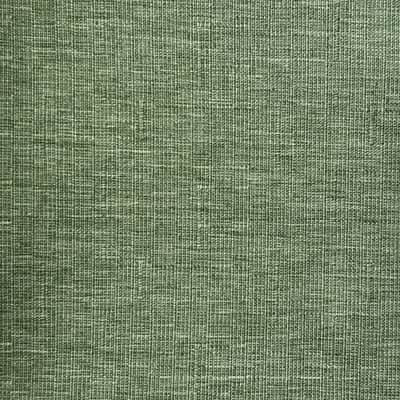
Green Polyester-Linen Slub Fabric
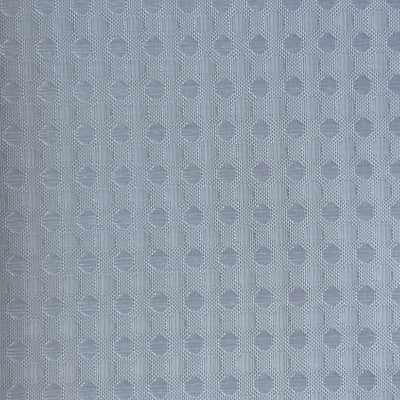
Dotted-Waffle Polyester Fabric
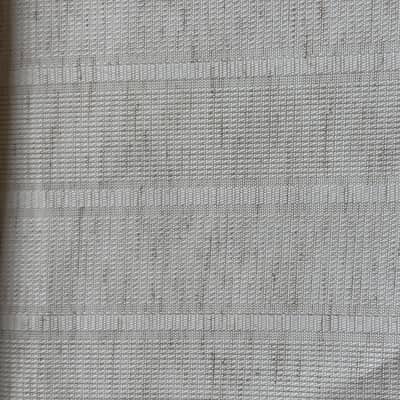
Polyester-Linen Stripe Fabric
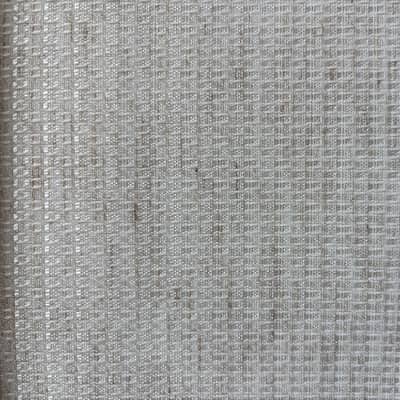
Polyester-Linen Textured Fabric
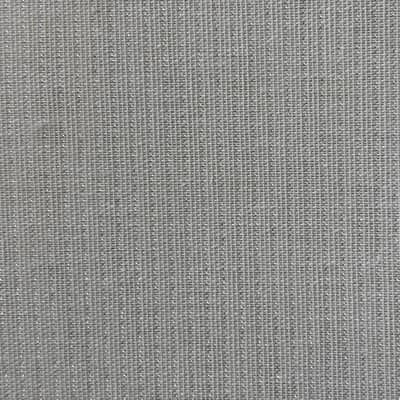
Polyester-Cotton Silver Metallic Fabric A
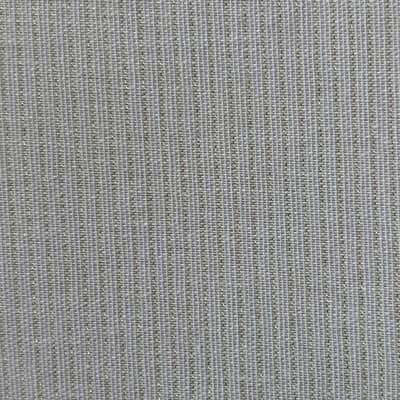
Polyester-Cotton Gold Metallic Fabric A
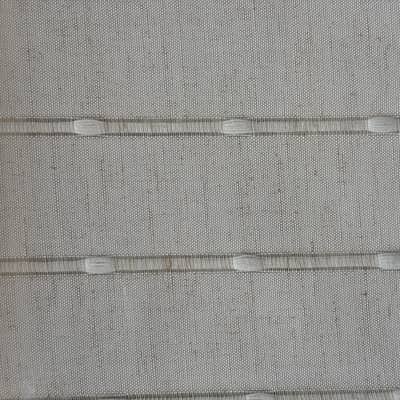
Horizontal-Slub Polyester-Linen Fabric
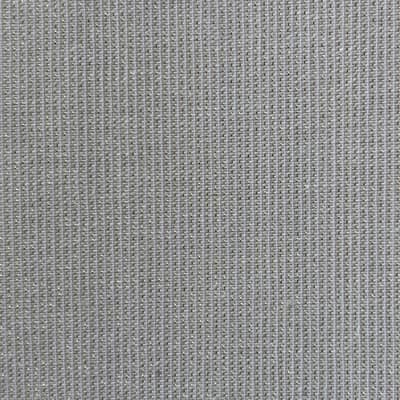
Polyester-Cotton Gold Metallic Fabric B
What the Surface Tells You Before the Spec Does
Run a finger across a roll of the 27-MA Green Polyester-Linen Slub Fabric and you feel a faint irregularity, a slub that breaks the light into uneven patches. That texture is not a defect; it is a design decision. The same roll could become a guestroom curtain, a shower curtain, or a tablecloth, and the surface would read differently in each job. The buyer's first task is not to measure GSM or check the composition. It is to decide what the surface should say in the room.
A metallic weave, by contrast, announces itself. The Polyester-Cotton Silver Metallic Fabric A catches light with a deliberate glint, a surface that works as a feature wall but would fight a printed pattern. A waffle weave, like the Dotted-Waffle Polyester Fabric, creates a three-dimensional cell structure that changes how the fabric drapes and how it feels in the hand. These are not interchangeable textures. They are different material strategies.
Polyester-Cotton Silver Metallic Fabric A
Dotted-Waffle Polyester Fabric
The mistake is to treat hospitality textile selection as a hunt for the cheapest roll that meets a weight range. The surface is the first specification, because it determines what the fabric can do before any number is written down.
From Hand Feel to Hard Numbers
Once the surface direction is clear, the numbers take over. GSM, or grams per square metre, tells you how dense the fabric is. A 120 GSM waffle feels light and open; a 225 GSM waffle feels substantial and more spa-like. But GSM alone does not predict drape or print behaviour. Composition matters just as much.
Consider the verified fabrics on curtains.vip. The 27-MA is a 95% polyester, 5% linen slub at 165 GSM. The 27-008-3 is a 92% polyester, 8% linen stripe at 130 GSM. The 27-001-F is a 92% polyester, 8% linen printed floral at 150 GSM. Each blend brings a different balance of hand feel, drape, and cost. The linen percentage adds a natural, matte texture, but it also changes how the fabric prints and how it wrinkles.
Polyester-Linen Stripe Fabric
Polyester-Linen Textured Fabric
The metallic fabrics, FAB-PC-SILVER-A and FAB-PC-GOLD-A, are 85% polyester, 10% cotton, and 5% metallic yarn at 165 GSM. They are not printable, which is a hard limit, not a preference. If your project needs a printed pattern, these rolls are out. If you want a woven accent with a metallic glint, they are exactly right.
What Printability Actually Changes
Print compatibility is a binary, not a spectrum. A fabric is either printable or it is not, and that decision shapes the entire sourcing conversation. For a hotel chain that wants a custom floral print on a shower curtain, the 27-001-F is a verified printable base. For a project that needs a metallic feature curtain with no print, the FAB-PC-SILVER-A is the right call.
The slub and stripe fabrics, such as 27-MA and 27-008-3, are also printable, but the texture will affect how the ink lands. A slub surface breaks up fine lines, so a detailed pattern may lose sharpness. A flat weave, like the 27-001-F, holds print more cleanly. This is why the surface decision comes first: it tells you what the print can and cannot do.
In our own Search Console data, we see searches for terms like 'hospitality textile material strategy' reaching curtains.vip, but that is a first-party observation. It tells us that buyers are actively looking for this kind of guidance, not that the global market is shifting in any particular direction. We do not extrapolate from our site metrics to the wider industry.
Matching Material to the Job: Three Buyer Scenarios
A hotel project manager sourcing curtains for a coastal property wants a relaxed, natural look. The 27-MA slub, with its 5% linen content, delivers that aesthetic and is printable if the design calls for a subtle pattern. The trade-off is that the slub texture may not suit a formal ballroom where a smooth, uniform surface is expected.
A retail buyer launching a private-label shower curtain line needs a base that prints consistently across colourways. The 27-001-F, a 150 GSM polyester-linen floral, is a verified printable option. Its 8% linen content adds a natural hand feel without compromising print clarity. The stripe option, 27-008-3, offers a woven texture that can read as more premium but limits print designs to those that work with the stripe.
A spa brand wants a waffle texture for a premium feel. The Dotted-Waffle Polyester Fabric at 120 GSM is lighter and more breathable, while a heavier waffle at 225 GSM feels more substantial. Neither is printable in the same way as a flat weave, so the design must work with the texture, not against it. These scenarios show that the material strategy is not about finding the 'best' fabric; it is about matching the surface, weight, and printability to the job.
The Limits of a Swatch
A swatch tells you how a fabric feels in your hand, but it does not tell you how it will drape over a curtain rod, how it will behave in a humid bathroom, or how it will print at scale. Those answers require a larger sample and a clear specification.
When you request a sample from a supplier, ask for the exact SKU you intend to order, not a similar one. The 27-MA and the 27-008-8-A are both polyester-linen blends, but they differ in GSM and surface texture. A sample of the wrong roll will mislead you.
The practical test is to hang a metre of the fabric in the actual environment. For a curtain, drape it over a rod and look at how the light hits the surface. For a shower curtain, hold it up to a window to check opacity and feel the texture. For a tablecloth, lay it on a table and see how it creases when folded. These quick tests reveal differences that no number can capture.
Writing the Specification That Survives a Reorder
A hospitality textile material strategy only works if it can be repeated. That means the specification must name the SKU, the GSM, the composition, and the print status. A vague description like 'linen look' or 'textured grey' is not a specification. It is a wish.
At curtains.vip, we publish these details for each verified fabric. The 27-008-3 is a 130 GSM, 92% polyester, 8% linen stripe. The FAB-PC-GOLD-B is a 160 GSM, 83% polyester, 10% cotton, 7% metallic yarn. These numbers are the language of a reorder. When you write them into your purchase order, you give the supplier no room to substitute a different roll.
Shaoxing Haowen Textile Clothing Co., Ltd. (the company behind the curtains.vip team) supplies these fabrics and supports custom print development and finished curtain OEM/ODM. Our usual reference MOQ is 2,000 m per SKU, but we accept orders below that with a slightly higher unit price, so you can pilot before committing to bulk. The usual reference MOQ is 2,000 m per SKU; orders below 2,000 m are also accepted, with a slightly higher unit price.
The One Sample Question That Matters
Before you approve any fabric for a hospitality project, ask for a sample of the exact roll you intend to order, in the finish you plan to use. Not a similar roll. Not a swatch from a different production run. The same SKU.
That single question separates a buyer who understands material strategy from one who is guessing. It forces the supplier to confirm that the roll you are testing is the roll you will receive in bulk. It also gives you the evidence you need to compare quotations on a like-for-like basis.
When you are ready to move forward, review the verified fabrics on the /products page and shortlist the ones that match your surface direction. Then contact the curtains.vip team through /contact with your target GSM, composition, and print requirements. We can send samples and a quotation so you can make the decision with data, not guesswork.
Questions buyers ask
What does 'hospitality textile material strategy' mean in practice?
It means deciding on the surface, weight, composition, and printability of a fabric before you compare prices. You start with what the fabric should look and feel like in the room, then translate that into a specification that can be quoted and repeated.
How do I choose between a slub, a stripe, and a waffle for a hotel project?
Match the texture to the brand and the application. A slub like 27-MA suits a relaxed, natural look and is printable. A stripe like 27-008-3 adds a woven linear detail. A waffle like the Dotted-Waffle at 120 GSM feels spa-like but limits print options. Test how each drapes in the actual space.
Why is print compatibility a hard limit?
Some fabrics, such as the metallic weaves FAB-PC-SILVER-A and FAB-PC-GOLD-A, are not printable. If your design requires a printed pattern, those bases are out. Printability is a binary, so it must be checked before you invest in artwork or sampling.
What is the usual MOQ for these fabrics?
The usual reference MOQ is 2,000 m per SKU. Orders below that are accepted with a slightly higher unit price, which allows you to pilot a fabric before committing to a full bulk order.