
Tablecloth Fabric Weight and Finish: What a Linen Buyer Can See, Feel and Then Has to Prove
Weight and finish decide how a tablecloth reads in service long before anyone checks a spec sheet. This field note compares verified table-linen bases and sets out what has to be measured, tested and priced before approval.

PRODUCTS
Products in this report
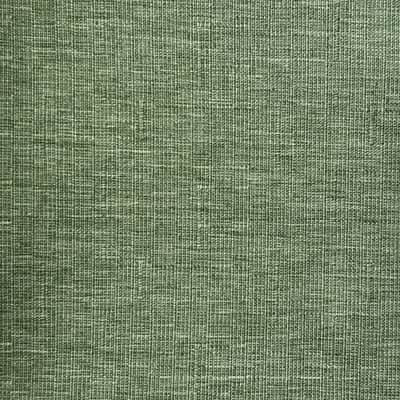
Green Polyester-Linen Slub Fabric
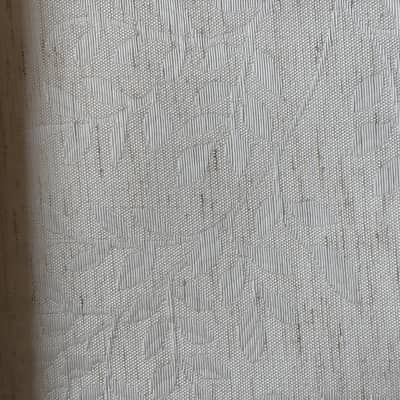
55 Large Floral Jacquard Fabric
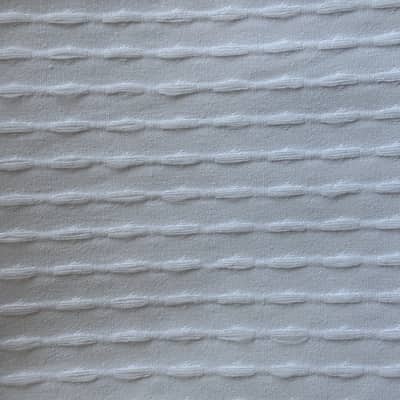
Vertical Dash Jacquard Fabric
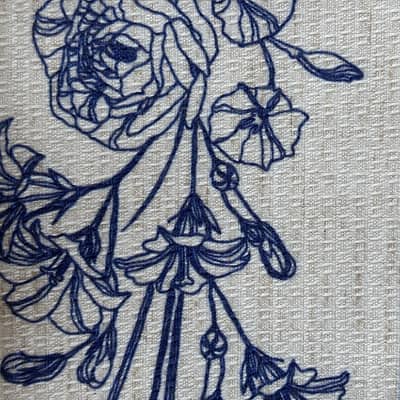
27-001-F Navy Floral Polyester-Linen Fabric
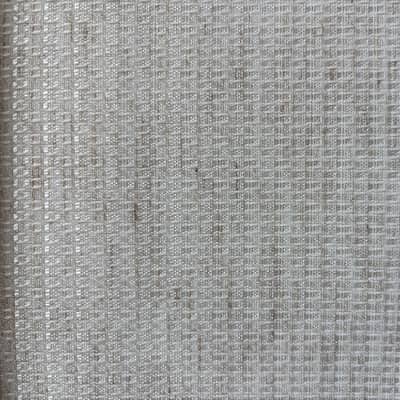
Polyester-Linen Textured Fabric
The Surface You Notice Before the Spec Sheet
Lay a folded tablecloth on a bare table and run a palm across it. One cloth feels flat and closed, almost like paper under the hand. Another shows a faint irregularity where the yarn thickens and thins, so light breaks across the surface in small uneven patches. A third carries a raised motif you can trace with a fingertip.
None of those impressions is a specification, but all three are the reason a buyer shortlists one cloth and rejects another. Weight and finish are what produce them. The buyer's job is to translate the impression into numbers that can be repeated on the next order, because the cloth that arrives in bulk will be judged by guests, not by a swatch card.
Where Weight Actually Shows Up in Service
Grams per square metre is the number buyers reach for first, and it is useful, but it does not describe a tablecloth on its own. Weight interacts with construction. A 165 GSM jacquard with a raised motif and a 165 GSM slub weave can sit at the same number and still behave differently when the cloth is laid, folded and pressed.
What the buyer is really buying is a behaviour: how the cloth falls over the table edge, how it holds a fold line through a service, and how much of the table underneath it conceals. Heavier constructions generally carry more of that presence, and the verified bases below sit in a fairly narrow band — 150 to 195 GSM — which is where most hospitality and retail table-linen briefs land. That narrowness is the point. Within it, construction, not weight, does most of the separating.
Three Verified Bases and What Separates Them
The 27-MA Green Polyester-Linen Slub Fabric is a 95% polyester / 5% linen blend at 165 GSM. Its interest is in the yarn: the slub interrupts the surface, so the cloth reads as relaxed and slightly irregular rather than formal. That same irregularity is a limitation. If a buyer wants a crisp, uniform print field, the slub works against the artwork.
The 55# Large Floral Jacquard Fabric is also 95% polyester / 5% linen and also 165 GSM, but the effect is built into the weave rather than the yarn, with a large floral motif in natural ivory. It is printable, yet the motif already occupies the surface, so a second printed design competes with it.
The 27-DS001-E Vertical Dash Jacquard Fabric moves up to 195 GSM in a 90% polyester / 10% cotton blend, with a vertical dash structure. The higher weight and the cotton content give it a denser, more substantial hand than the two 165 GSM cloths. The trade-off is that a directional structure has to be cut and seamed consistently, or the dash runs against itself across a long banquet top.
Finish Is a Decision, Not a Default
Finish is where table-linen sourcing most often goes vague. Two cloths can leave the loom at the same weight and still reach the buyer with different surfaces depending on how they are handled afterwards. What a buyer can verify from supplied data is narrower than the word 'finish' suggests: composition, weight, construction and whether the base is printable.
That last point matters more on a table than on a curtain. A printed tablecloth is judged at close range, under overhead light, by someone sitting a metre away. The base has to hold the print cleanly, and a raised or slubbed surface changes how ink sits. Printability is a product-specific property here, not a category claim, and it should be confirmed against the exact SKU rather than assumed from the fabric name.
What Has to Be Measured, Tested and Priced
Once the surface decision is made, three things move from observation to paperwork. The first is the construction record: SKU, composition and GSM written into the specification so the next order cannot drift to a similar-looking roll. The second is a test on the actual piece — a fold, a press and a look at the fold line under the light the venue actually uses.
The third is price, and price follows weight and construction rather than the other way round. A 195 GSM polyester-cotton jacquard and a 165 GSM polyester-linen slub are not interchangeable line items, and a quotation that names only a unit price without the construction behind it cannot be compared like for like.
This is also where order size enters. The usual reference MOQ is 2,000 m per SKU, and orders below that are accepted with a slightly higher unit price, which lets a single venue or a pilot table setting be tested before a group-wide commitment. Shaoxing Haowen Textile Clothing Co., Ltd. (the company behind the curtains.vip team) develops curtain, shower-curtain and table-linen fabrics from Shaoxing, Zhejiang, including custom print development, so the construction record and the sample can come from the same source. The usual reference MOQ is 2,000 m per SKU; orders below 2,000 m are also accepted, with a slightly higher unit price.
Buyer Scenarios and the Base That Fits Each
A hotel banqueting operation that replaces cloths on a laundry cycle should weight its shortlist toward the denser end. The 27-DS001-E at 195 GSM carries more presence across a long top, and its 10% cotton content gives a fuller hand, but the vertical structure demands disciplined cutting.
A restaurant or café buying for atmosphere rather than volume can use the slub surface of 27-MA to create texture without a printed design, accepting that the irregularity is the point and that fine-line artwork will not sit cleanly on it.
A retailer building a table-linen range around a print should start from the base rather than the artwork. The 27-001-F Navy Floral Polyester-Linen Fabric is a 92% polyester / 8% linen base at 150 GSM, the lightest of the group, and it is supplied as a printed fabric. A buyer using it as a reference should treat the print and the base as one decision, because changing either changes the result.
27-001-F Navy Floral Polyester-Linen Fabric
Polyester-Linen Textured Fabric
A private-label programme that wants a woven identity rather than a printed one can use 55# for its floral jacquard, provided the brand accepts that the motif is the design and no second print is layered onto it.
What Our Own Search Data Does and Does Not Show
Searches for table-linen terms have reached curtains.vip, but the volumes involved are small and the rows describe our own site, not the wider market. They tell us which questions buyers bring to our catalogue. They do not establish market size, share or direction, and we do not treat them as evidence of a trend.
The useful signal is narrower and more practical: buyers arrive with a surface in mind and a specification still unwritten. That is the gap this note is meant to close, and it is the reason the next step is a sample rather than a quotation.
Questions buyers ask
Does a higher GSM always mean a better tablecloth?
No. Weight affects presence and drape, but construction decides how the cloth reads. A 165 GSM slub and a 165 GSM jacquard sit at the same number and behave differently on a table. Choose the construction that matches the setting, then confirm the weight.
Can any of these bases be printed?
The supplied product records mark each of these as printable, but printability is product-specific. A raised jacquard or a slubbed surface changes how ink sits, so the print should be tested on the exact SKU rather than assumed from the fabric name.
What is the usual order size for a table-linen base?
The usual reference MOQ is 2,000 m per SKU, and orders below that are accepted with a slightly higher unit price. That allows a venue or a pilot setting to be tested before a larger commitment.