
How Does Printing Work on Fabric Shower Curtains? A Technical Walkthrough for Buyers
How does printing work on fabric shower curtains? This technical walkthrough explains the printing process, fabric compatibility, and what to specify for your order.

PRODUCTS
Products in this report
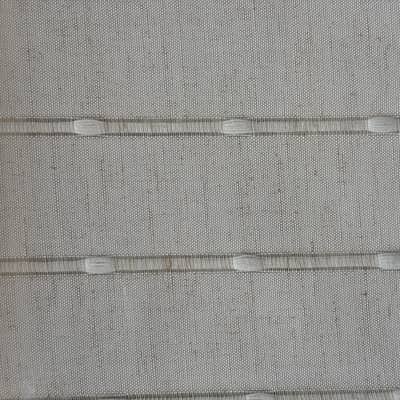
Horizontal-Slub Polyester-Linen Fabric
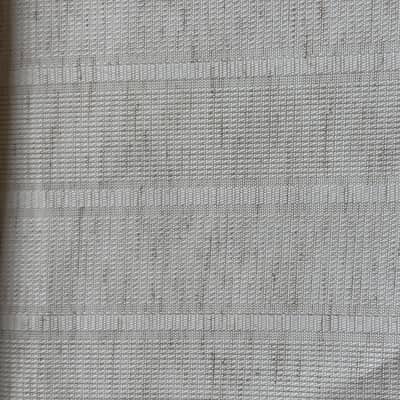
Polyester-Linen Stripe Fabric
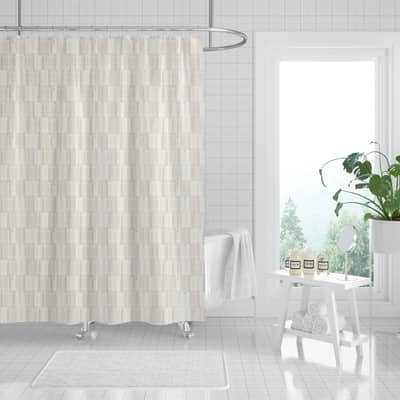
Woven Stripe
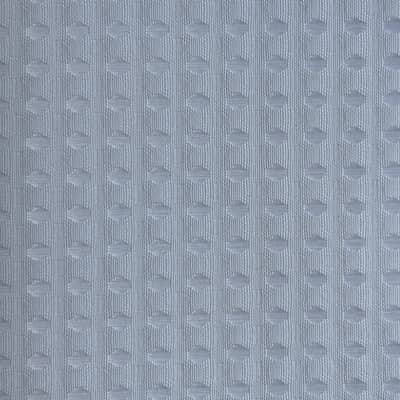
Polyester Waffle Fabric
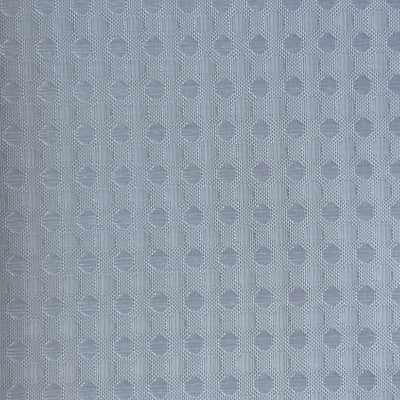
Dotted-Waffle Polyester Fabric
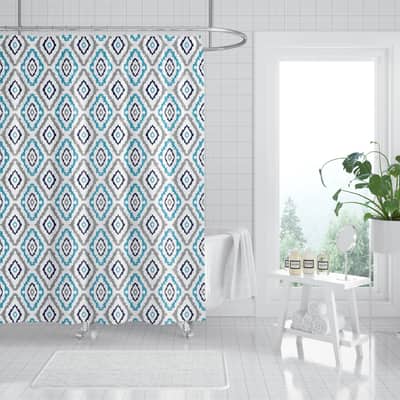
Bohemian Diamond Ikat
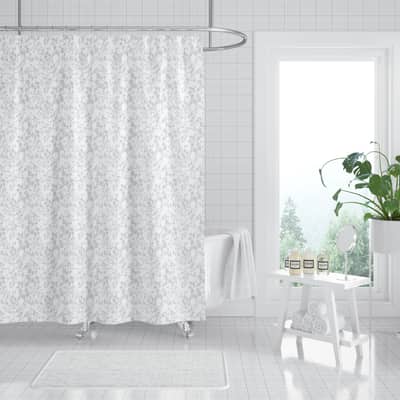
Ice Blue Floral Mist
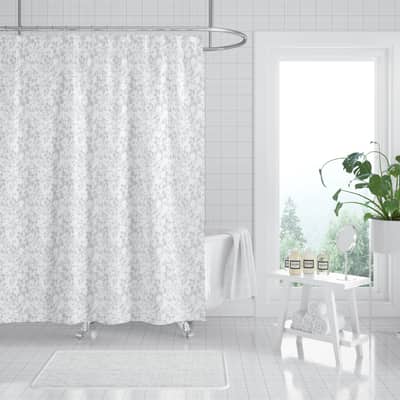
Ice Blue Floral Mist II
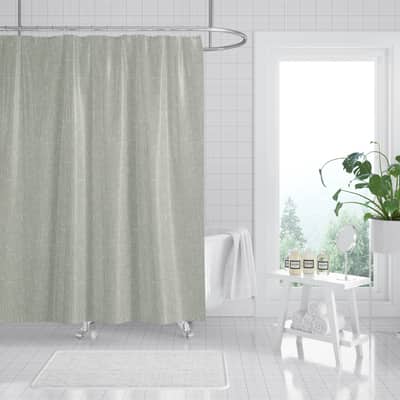
Sage Washed Texture
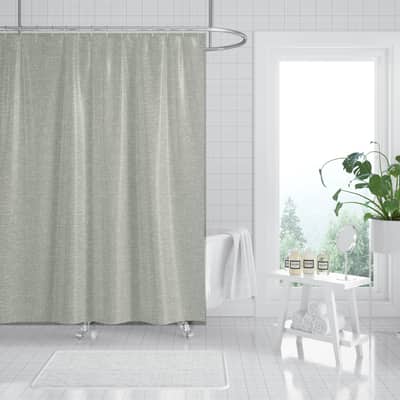
Silver Sage Washed Texture
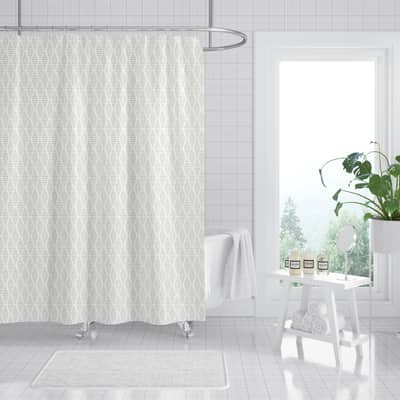
Ivory Leaf Trellis
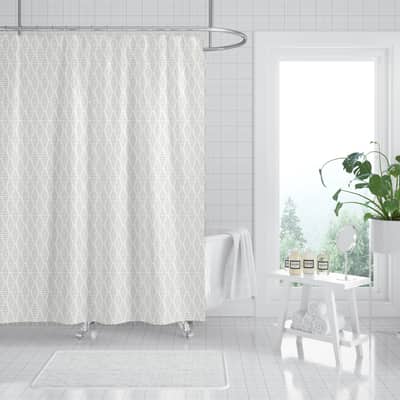
Ivory Leaf Trellis II
The Printing Process: From Artwork to Finished Fabric
When a buyer asks how printing works on fabric shower curtains, the answer starts with the base fabric, not the artwork. The printing method, ink system, and fabric construction all determine how the final design appears and performs. For B2B buyers, understanding this process is essential for avoiding costly sampling mistakes and ensuring the finished product meets your market's expectations.
At curtains.vip, we work with fabric printing that transfers your design onto roll goods before they are cut and sewn into finished curtains. The process typically involves preparing the artwork, selecting the right fabric base, printing, and then finishing the fabric to set the ink. Each step has variables that affect color, hand feel, and durability.
Ink Systems: What Actually Goes on the Fabric
The ink system is the first technical decision. For polyester-based shower curtain fabrics, disperse dyes are commonly used because they bond with the polyester fibers at high temperatures. This is different from pigment printing, which sits on the surface and may require a binder. The choice of ink affects color fastness, washability, and the softness of the final fabric.
Our verified fabrics are all printable, but the specific ink and process must be matched to the fabric composition. For example, a 100% polyester waffle fabric will accept disperse dyes differently than a polyester-linen blend. The linen content in a blend can affect how the ink absorbs, so sampling is critical.
Fabric Composition and Its Role in Print Quality
Fabric composition is not just about hand feel; it directly influences print quality. Polyester is the most common base because it accepts disperse dyes well and offers durability. Linen or other natural fibers may require different ink systems or pre-treatment.
Consider the 27-008-8-A Horizontal-Slub Polyester-Linen Fabric (SKU 27-008-8-A), a 96% polyester and 4% linen blend at 140 GSM. The slub texture adds visual interest, but the slight linen content means the printing process must be adjusted to ensure even ink absorption. Similarly, the 27-008-3 Polyester-Linen Stripe Fabric (SKU 27-008-3) is a 92% polyester and 8% linen blend at 130 GSM, with a woven stripe pattern that can affect how the print appears on the stripes versus the background.
Horizontal-Slub Polyester-Linen Fabric
Polyester-Linen Stripe Fabric
Woven Stripe
For buyers, this means specifying the exact composition and requesting a print sample on the actual fabric before committing to bulk production.
Fabric Weight and Texture: How GSM and Weave Affect Ink
GSM (grams per square meter) is a key factor in how printing works on fabric shower curtains. Heavier fabrics, like the Polyester Waffle Fabric (SKU FAB-WAFFLE-225) at 225 GSM, offer a more substantial hand feel and better opacity, but the waffle texture can create challenges for fine details. The raised pattern may cause ink to pool or skip, so a print design with large color blocks may work better than intricate linework.
Lighter fabrics, such as the Dotted-Waffle Polyester Fabric (SKU FAB-WAFFLE-DOT-120) at 120 GSM, are more flexible and may be easier to print on, but the texture still requires testing. The weave structure—whether it's a waffle, slub, or plain weave—affects how the ink sits on the surface and how the color appears after drying.
For buyers, the practical takeaway is to always request a print sample on the exact fabric you plan to order. A print that looks sharp on a smooth 100% polyester may look different on a textured blend.
Print Compatibility: Not Every Fabric Takes Ink the Same Way
Print compatibility is a term we use to describe how well a specific fabric accepts and holds ink. It is not a universal property; it depends on the fabric's composition, weave, and finish. For example, our 100% polyester waffle fabrics are generally compatible with disperse dye printing, but the texture may require adjustments in the printing process.
The 27-008-8-A and 27-008-3 fabrics, with their linen content, are also printable, but the linen fibers may absorb ink differently, leading to slight color variation. This is why we always recommend a pre-production sample.
When you order a print like the Bohemian Diamond Ikat (SKU PRINT-2026-158) or Ice Blue Floral Mist II (SKU PRINT-2026-159), we can guide you on which fabric base will best showcase the design. The print itself is a digital file, but the final look depends on the fabric.
Sampling and Quotation: What to Validate Before Bulk
The only way to know how printing works on your chosen fabric is to order a sample. A sample lets you check color accuracy, hand feel, and how the print interacts with the texture. It also gives you a physical reference for your own quality control.
When requesting a quotation, ask for the sample cost and lead time. At curtains.vip, we offer a standard MOQ of 2,000 meters per SKU, but we accept orders below that with a slightly higher unit price. This flexibility allows you to pilot a design before committing to a large run. The usual reference MOQ is 2,000 m per SKU; orders below 2,000 m are also accepted, with a slightly higher unit price.
For a practical checklist, consider the following:
• Confirm the fabric composition and GSM. • Request a print sample on the exact fabric. • Check the sample for color accuracy and ink absorption. • Ask about the printing method and ink system. • Clarify the MOQ and whether lower quantities are possible. • Discuss lead time for sampling and bulk production. • Validate the finished width and any finishing treatments.
- Confirm the fabric composition and GSM.
- Request a print sample on the exact fabric.
- Check the sample for color accuracy and ink absorption.
- Ask about the printing method and ink system.
- Clarify the MOQ and whether lower quantities are possible.
- Discuss lead time for sampling and bulk production.
- Validate the finished width and any finishing treatments.
Matching Prints to Fabrics: Real Buyer Scenarios
Different projects call for different combinations of print and fabric. For a hotel chain looking for a durable, textured curtain, the Polyester Waffle Fabric (SKU FAB-WAFFLE-225) at 225 GSM offers a substantial feel, but a large-scale geometric print like Bohemian Diamond Ikat (SKU PRINT-2026-158) might be better suited to a smoother fabric to preserve detail.
For a retail line that needs a lighter, more affordable option, the Dotted-Waffle Polyester Fabric (SKU FAB-WAFFLE-DOT-120) at 120 GSM could work with a subtle pattern like Silver Sage Washed Texture (SKU PRINT-2026-154), which complements the texture without competing with it.
Silver Sage Washed Texture
Sage Washed Texture
If you are sourcing for a private-label programme that emphasizes a natural, linen look, the 27-008-3 Polyester-Linen Stripe Fabric (SKU 27-008-3) at 130 GSM pairs well with a botanical print like Ivory Leaf Trellis II (SKU PRINT-2026-155), as the stripe adds structure to the design.
Next Steps: Turning This into a Quotation
Understanding how printing works on fabric shower curtains is the first step. The next is to translate that knowledge into a clear specification for your supplier. At curtains.vip, we are ready to help you select the right fabric and print combination for your project.
Shaoxing Haowen Textile Clothing Co., Ltd. (the company behind the curtains.vip team) is based in Shaoxing, Zhejiang, China, and specializes in shower curtain fabrics, custom print development, and finished shower curtain OEM/ODM. We can guide you through the sampling process and provide a quotation based on your exact needs.
Review our /products page to see the available fabrics and prints, or contact us through /contact to discuss your project. We are here to help you make informed decisions.
Questions buyers ask
What is the typical MOQ for printed fabric shower curtains?
The usual reference MOQ is 2,000 meters per SKU. Orders below 2,000 meters are accepted with a slightly higher unit price, allowing you to pilot a design before committing to a larger run.
Can any fabric be printed with any design?
Not all fabrics take ink the same way. Print compatibility depends on the fabric's composition, weave, and finish. For example, polyester blends with linen may absorb ink differently than 100% polyester. Always request a print sample on the exact fabric to validate the result.
How does fabric weight (GSM) affect printing?
GSM affects how the fabric drapes and how the ink sits on the surface. Heavier fabrics like 225 GSM waffle offer more substance but may require adjustments for fine details. Lighter fabrics like 120 GSM are more flexible but still need testing for texture-related issues.
What should I check when I receive a print sample?
Check color accuracy against your approved artwork, how well the ink absorbed into the fabric, the hand feel, and whether the texture interferes with the design. Also verify the width and any finishing treatments.