
Linen Look Shower Curtain Fabric: A Sourcing Guide for B2B Buyers
Learn how to source linen look shower curtain fabric for hotels and retail, including material blends, weave structures, print options, and supplier evaluation.

PRODUCTS
Products in this report
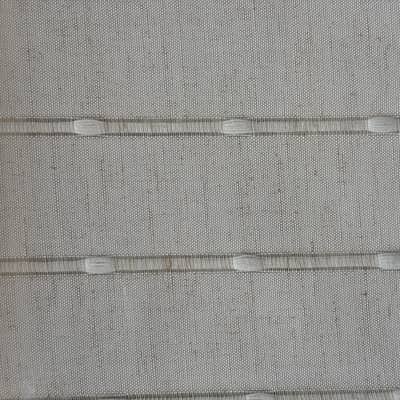
Horizontal-Slub Polyester-Linen Fabric
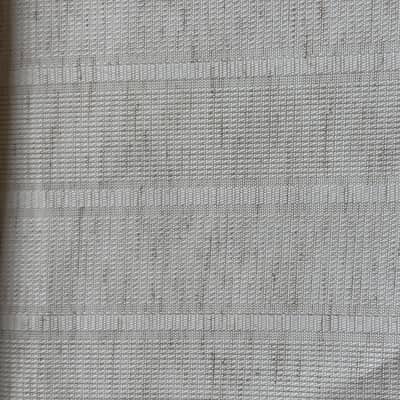
Polyester-Linen Stripe Fabric
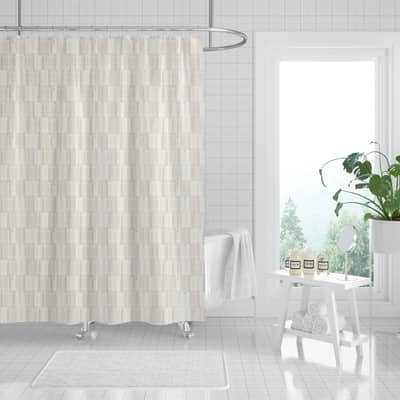
Woven Stripe
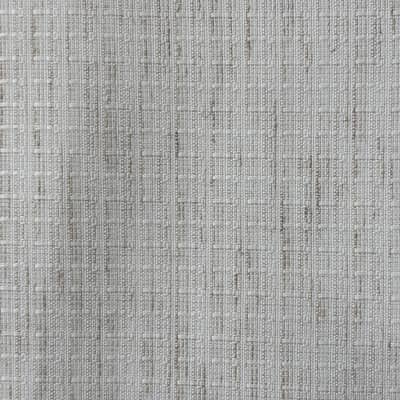
Polyester-Linen Geometric Woven Fabric
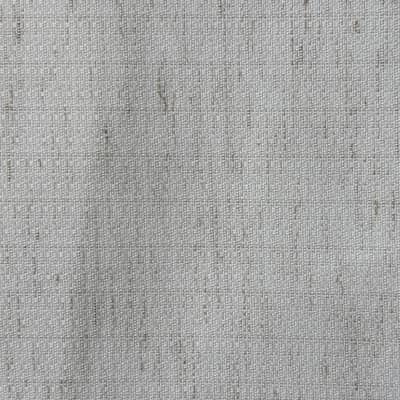
Polyester-Linen Fine Woven Fabric
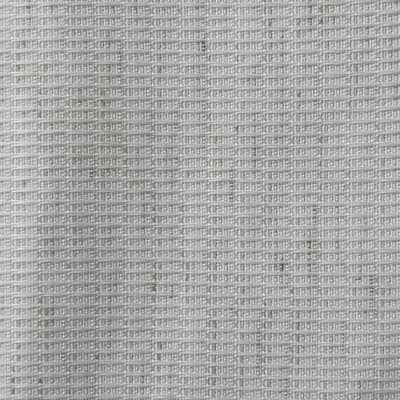
Polyester-Linen Woven Fabric
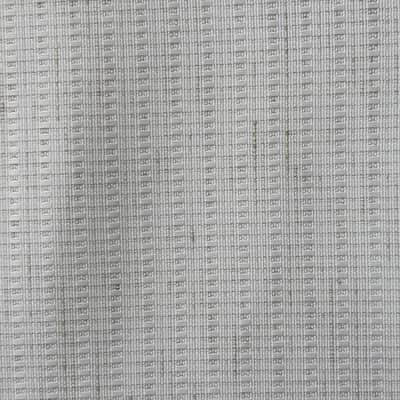
Polyester-Linen Linear Woven Fabric
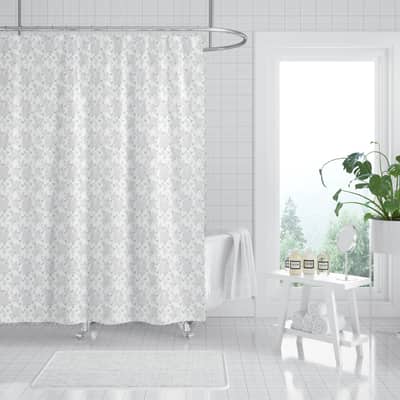
Silver Willow
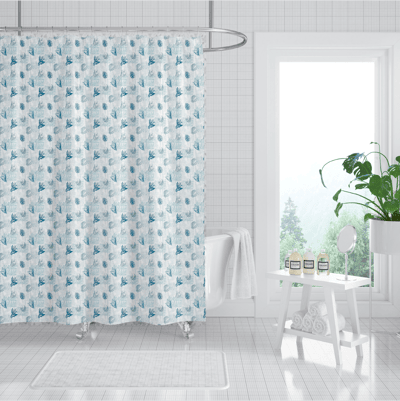
Coastal Bloom
Why Linen Look Fabrics Matter in Shower Curtain Sourcing
Linen look shower curtain fabric has become a staple in hospitality and residential design because it brings a natural, textured aesthetic to bathrooms without the practical drawbacks of pure linen. For B2B buyers, the appeal is clear: a linen-like appearance can elevate a hotel bathroom or a retail product line, while polyester-linen blends offer a more predictable basis for cutting, sewing, and printing.
When sourcing linen look fabric, the first decision is the blend ratio. Pure linen is expensive, wrinkles easily, and can be difficult to print consistently. Polyester-linen blends, on the other hand, combine the visual character of linen with the dimensional stability of polyester. The exact ratio affects drape, hand feel, and how the fabric behaves during finishing and printing.
This guide focuses on the practical considerations for sourcing linen look shower curtain fabric, using verified product examples from our own range to illustrate the options. We will cover blend ratios, weave structures, weight, printing, and the questions you should ask a supplier before committing to a bulk order.
Understanding Polyester-Linen Blend Ratios
The blend ratio is the most important specification in a linen look fabric. It determines how much linen fibre is present and therefore how pronounced the linen character is. Common ratios in our range include 96% polyester with 4% linen, and 92% polyester with 8% linen. The higher the linen content, the more visible the slubs and texture, but also the higher the cost and the more care needed in handling.
For example, our 27-008-8-A Horizontal-Slub Polyester-Linen Fabric uses a 96% polyester and 4% linen blend. The horizontal slub effect gives a distinct linen-like texture while keeping the fabric predominantly synthetic. This balance is often preferred for shower curtains because it offers a natural look without the high maintenance of pure linen.
Another option is the 27-008-3 Polyester-Linen Stripe Fabric, which uses a 92% polyester and 8% linen blend. The higher linen content contributes to a more pronounced woven stripe and a slightly more textured hand. When choosing between blends, consider the end use: a hotel may want a subtle texture that photographs well, while a retail buyer might seek a more obvious linen look to differentiate the product.
Weave Structures and Textures
The weave structure creates the visual and tactile texture of a linen look fabric. Slub weaves, stripes, and geometric patterns are common ways to mimic the irregular surface of linen. Each structure has different implications for printing and cutting.
Our 27-008-8-A features a horizontal slub, which creates a subtle, irregular surface that catches light and adds depth. The 27-008-3 has a woven stripe, offering a more structured, linear appearance. For a more geometric texture, the 27-10 Polyester-Linen Geometric Woven Fabric provides a pattern that can complement modern bathroom designs.
When evaluating weave structures, consider how the texture will interact with printing. A heavily textured fabric may distort fine print details, while a smoother weave allows for sharper images. Our 27-7 Polyester-Linen Fine Woven Fabric and 27-12 Polyester-Linen Woven Fabric offer finer textures that are often better suited for detailed prints. Always request a print sample on the actual fabric to assess the result.
Fabric Weight and GSM Considerations
Fabric weight, measured in grams per square metre (GSM), affects drape, opacity, and durability. Linen look fabrics for shower curtains typically range from 120 to 140 GSM in our range. Lighter weights, such as 120 GSM, are easier to handle and may be preferred for retail packaging, while heavier weights, like 140 GSM, offer a more substantial feel and better opacity.
For example, the 27-7 and 27-10 fabrics are 120 GSM, while the 27-8 and 27-12 are 130 and 125 GSM respectively. The 27-008-8-A is 140 GSM. Heavier fabrics tend to hang better and feel more premium, but they also increase shipping costs and may require stronger sewing threads.
When specifying weight, think about the end use. A hotel shower curtain that is changed frequently may benefit from a lighter weight for cost efficiency, while a retail product aimed at the premium segment might justify a heavier fabric. Always confirm the GSM with the supplier and request a sample to feel the weight.
Printing on Linen Look Fabrics
Many linen look fabrics are printable, but the texture can affect the final print quality. Our polyester-linen fabrics are all marked as printable, but it is essential to test print on the specific fabric you plan to use. The slubs and weave irregularities can cause slight variations in colour absorption, which may be acceptable for some designs but not for others.
For example, the 27-008-8-A with its horizontal slub may produce a slightly distressed effect on prints, which can be desirable for a rustic look. The finer weaves, such as 27-7 and 27-12, are more likely to reproduce fine details clearly. If you are planning a detailed pattern, choose a smoother fabric.
We offer a range of in-house print designs that can be applied to our fabrics, such as the Silver Willow (PRINT-2026-01) or the Coastal Bloom (PRINT-2026-02). However, we also support custom print development. When sourcing, ask the supplier for a print sample on the actual fabric and check for colour consistency and sharpness.
Sourcing from a Manufacturer: What to Ask
When sourcing linen look shower curtain fabric from a manufacturer, there are several key questions to ask beyond the basic specifications. First, confirm the exact blend ratio and whether it is consistent across production runs. Second, request a physical sample to evaluate the hand feel and drape. Third, ask about the printing process and whether they can handle custom designs.
Also, inquire about the minimum order quantity (MOQ). Our fabrics have a MOQ of 2000 meters per design, which is typical for custom production. Finally, discuss lead times and production capacity, but be aware that these can vary and should be confirmed in writing. The usual reference MOQ is 2,000 m per SKU; orders below 2,000 m are also accepted, with a slightly higher unit price.
Shaoxing Haowen Textile Clothing Co., Ltd. (the company behind the curtains.vip team), based in Shaoxing, Zhejiang, China, is a manufacturer of shower curtain fabrics and roll goods. We offer a range of polyester-linen fabrics and custom print development. When evaluating us or any other supplier, always request samples and verify that the fabric meets your specific requirements.
Evaluating Supplier Capabilities
A reliable supplier should be able to provide detailed specifications, consistent quality, and responsive communication. Look for a manufacturer that can produce both fabric and finished shower curtains, as this can simplify your supply chain. Our company offers both fabric roll goods and finished shower curtain OEM/ODM services.
When evaluating a supplier, consider their location and logistics. Shaoxing is a major textile hub in China, which can offer advantages in terms of raw material access and production expertise. However, always verify the supplier's capabilities through samples and, if possible, a factory audit.
It is also important to discuss quality control procedures. Ask how they inspect fabric for defects and how they handle print consistency. A good supplier will have clear processes in place and be willing to share them with you.
Making the Final Decision
Choosing the right linen look shower curtain fabric involves balancing aesthetics, performance, and cost. Start by defining your target market and the desired look. Then, narrow down the blend ratio, weave structure, and weight. Finally, test printing and evaluate samples from multiple suppliers.
Remember that the fabric is just one part of the product. Consider the finishing, such as hemming and grommets, and whether you need a liner. A full-service supplier can help you with these aspects, ensuring a consistent final product.
By following this guide, you can make an informed decision that meets your project's needs. If you have specific questions about our linen look fabrics, we invite you to contact us through our website.
Questions buyers ask
What is the typical blend ratio for linen look shower curtain fabric?
Common blends include 96% polyester with 4% linen and 92% polyester with 8% linen. The higher the linen content, the more pronounced the linen texture, but also the higher the cost and care requirements.
Can linen look fabric be printed with custom designs?
Yes, many linen look fabrics are printable, but the texture can affect print quality. It is essential to test print on the specific fabric to ensure the design appears as intended. Our polyester-linen fabrics are printable, and we offer custom print development.
What is the minimum order quantity for linen look shower curtain fabric?
Our minimum order quantity is 2000 meters per design. This is typical for custom production. If you need smaller quantities, you may need to consider stock fabrics or work with a distributor.
How does fabric weight affect the final product?
Fabric weight, measured in GSM, affects drape, opacity, and durability. Lighter weights (around 120 GSM) are easier to handle, while heavier weights (140 GSM) offer a more substantial feel. The choice depends on your end use and target market.