
Are Linen Shower Curtains Good? Two Rolls That Look Alike on Screen and Split at the Rail
Two linen-look rolls can share a natural tone and a price band and still be specified differently. This comparison works from what the surface does in a wet bathroom to the sample test and acceptance note that settle whether a linen shower curtain is the right buy.

PRODUCTS
Products in this report
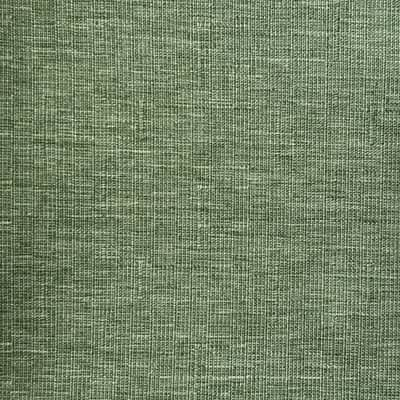
Green Polyester-Linen Slub Fabric
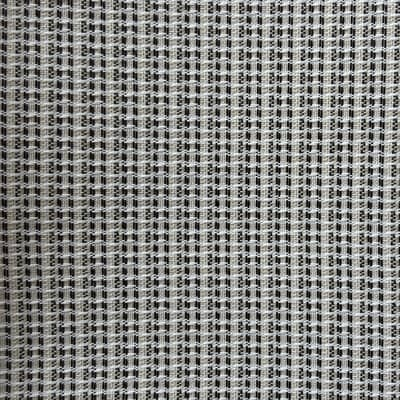
Contrast Grid Linen-Look Fabric
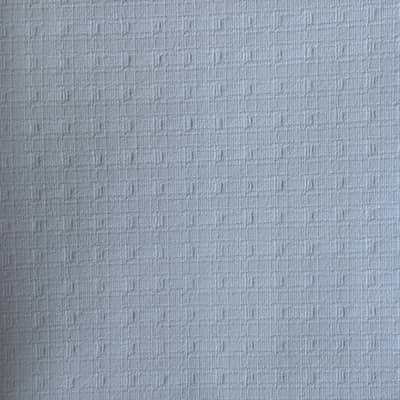
Fine Grid Jacquard Fabric
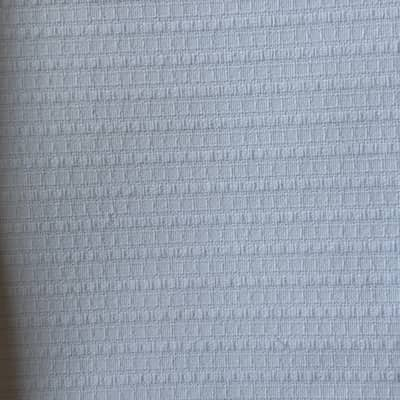
Fine Textured Jacquard Fabric
Two Rolls, One Screen, Two Different Specifications
27-MA and 27-001-C-1 sit side by side in an online catalogue and read as the same proposition. Both are pale, both carry a linen-look surface, both sit within ten grams of each other on weight, and both would photograph as the quiet natural cloth a bathroom brief usually asks for. A buyer scrolling a supplier page could reasonably shortlist either.
Green Polyester-Linen Slub Fabric
Contrast Grid Linen-Look Fabric
The question that separates them is not whether linen is a good fibre. It is whether this particular roll has to accept ink at some point in its commercial life. 27-MA is a 165 GSM green polyester-linen slub listed as printable. 27-001-C-1 is a 155 GSM contrast grid linen-look, 100% polyester, with a black accent in the weave, and it is not printable. One roll can carry a seasonal print or a private-label colourway. The other has to earn its place on surface alone. That is the practical answer to whether linen shower curtains are good: the fibre name tells you very little, and the base tells you almost everything.
What the Word Linen Promises and What the Roll Delivers
Linen in a shower curtain brief usually means three things at once: a natural tone, a visible irregularity in the surface, and a story about the material that a retailer or a hotel can put in front of a customer. None of those three is a performance claim, and none of them is settled by the fibre content printed on a specification sheet.
A linen-look polyester can deliver the tone and the irregularity without any linen in it. 27-001-C-1 does exactly that at 100% polyester, and the contrast grid gives the surface a structure that reads at close range. A genuine linen blend such as 27-MA, at 95% polyester and 5% linen, adds a slub that behaves differently under raking light. The buyer is choosing between two ways of producing a natural impression, not between a good fibre and a bad one.
What the word does not tell you is how the cloth will behave in a wet room, how it will hang once gathered, or whether it can take a print later. Those are the questions that decide a programme, and they are answered by the base, the weight and the print status, not by the fibre name.
Where the Wet Bathroom Rewrites the Brief
A shower curtain is not judged flat on a sample table. It is judged hanging from a rail, gathered at the heading, in a small hard-surfaced room with one light source, by someone standing close enough to see the weave. A slub that reads as a soft irregularity on a cutting table organises into faint vertical bands once the cloth is pulled to a narrower opening. A contrast grid that looks almost plain flat becomes a visible structure.
This is where a linen-look surface earns or loses its place. The natural irregularity that makes the cloth attractive on a screen is the same irregularity that will be magnified by gathering and side light. That is not a defect. It is the product, and it needs to be approved in the presentation it will occupy.
Weight matters here, but less than buyers expect. 27-MA at 165 GSM and 27-001-C-1 at 155 GSM sit close enough that the difference will read in drape rather than in numbers. The heavier structured jacquards in the range, such as 27-DS001-H at 190 GSM, buy a different presence on the rail, and that is a separate decision from whether the surface reads as linen.
The Print Question That Splits the Shortlist
A linen-look roll that cannot accept ink is a finished surface. It has to be sold on what it looks like now, and it cannot absorb a colourway change, a hotel logo programme or a second season. That is a legitimate role in a range, but it is a different role from a printable base.
27-001-C-1 is non-printable, and its contrast grid is the reason the surface works. The black accent in the weave is the product. A buyer who shortlists it for a programme that may later want a printed motif is buying a roll that will have to be replaced rather than developed.
27-MA, by contrast, is printable, and its green polyester-linen slub gives a print programme a natural ground to work on. The limitation to validate is coverage: a slub surface does not present ink the way a flat ground does, and the motif has to be tested on the exact base rather than assumed from a printable flag.
Where the range needs a printable structured alternative, 27-DS001-D at 180 GSM and 27-DS001-H at 190 GSM both offer fine texture in 100% polyester and are listed as printable. They are not linen-look, and they should not be sold as such. They are the option when the surface has to carry structure and a future print at the same time.
Three Buyer Scenarios and the Roll Each One Suits
A hotel bathroom programme that expects to replace curtains on a cycle and may add a logo or colourway later needs a printable base. 27-MA fits that brief better than a non-printable surface, provided the slub has been printed and viewed in position. The structured jacquards are the alternative where the room needs more visual weight.
A retail range sold on appearance, with no print ambition and a fixed colourway, can use 27-001-C-1 on its surface alone. The contrast grid is the visual argument, and the non-printable status is not a limitation if the programme never intends to print.
A private-label collection that expects a new chapter each season should treat print status as a shortlist filter before anything else. A range built entirely on non-printable surfaces has no room to move when the next season arrives, and the cost of that gap appears at the sampling stage, not at the quotation stage.
The Sample Test That Settles the Decision
A flat swatch cannot answer the question this article is about. The test that can is a finished-size panel cut from the exact roll being shortlisted, gathered at the rail width the bathroom will actually use, and viewed under the lighting the room will have. Where a print is possible, the same panel should carry the intended motif.
Two things should come out of that test: a decision on whether the surface still reads as a deliberate material when gathered, and a reference panel retained from the same roll. Without the retained panel, the second delivery is judged against memory rather than against evidence.
The usual reference MOQ is 2,000 m per SKU, and orders below that are accepted with a slightly higher unit price, which matters when a buyer wants to test two linen-look candidates before committing volume to one. The usual reference MOQ is 2,000 m per SKU; orders below 2,000 m are also accepted, with a slightly higher unit price.
The Acceptance Note and the RFQ Line
Approval should name the SKU, the GSM, the composition and the print status, and it should state which presentation the panel was judged in. For a linen-look programme, it should also record whether the surface was approved flat or gathered, because those are not the same cloth.
For the RFQ, write the outcome rather than the fibre: the rail width, the lighting condition, whether a print is expected within the programme's life, and which roll sets the reference. Buyers who want to compare linen-look candidates against structured jacquards can review the range at /products, and specific questions about a base can go through /contact. Shaoxing Haowen Textile Clothing Co., Ltd. (the company behind the curtains.vip team) develops curtain, shower-curtain and table-linen fabrics, including custom print development, which is where a printable versus non-printable decision is usually tested.
Questions buyers ask
Are linen shower curtains good for a wet bathroom?
The fibre name does not answer that. What matters is the base, the weight and how the surface reads when gathered in the room. A linen-look polyester such as 27-001-C-1 or a polyester-linen slub such as 27-MA can both suit a bathroom, but the panel should be tested at the rail width and lighting the room will use before approval.
Should I choose a printable linen-look roll even if I have no print plan yet?
If the programme may add a colourway, logo or seasonal print later, a printable base keeps that option open. 27-001-C-1 is non-printable, so it has to be sold on surface alone. 27-MA is printable, but the motif still has to be tested on the slub ground rather than assumed from the printable flag.
What should be in the sample approval note for a linen shower curtain?
The SKU, GSM, composition and print status, plus the presentation the panel was judged in and a retained reference panel from the same roll. That gives the next delivery something to be compared against.