
Linen Look Shower Curtain Fabric OEM: How to Specify a Repeatable Linen Aesthetic Without the Linen Cost
A linen look shower curtain fabric OEM program is not about chasing a trend. It is about locking down composition, GSM, and print compatibility so the aesthetic repeats order after order. This guide walks through the technical decisions with verified fabrics from curtains.vip.

PRODUCTS
Products in this report
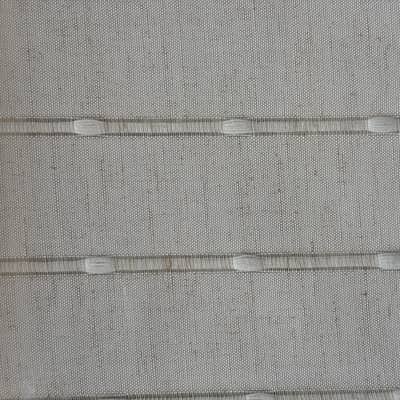
Horizontal-Slub Polyester-Linen Fabric
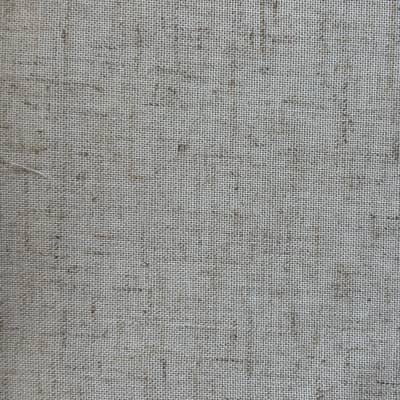
12×12 Plain-Weave Polyester-Linen Fabric
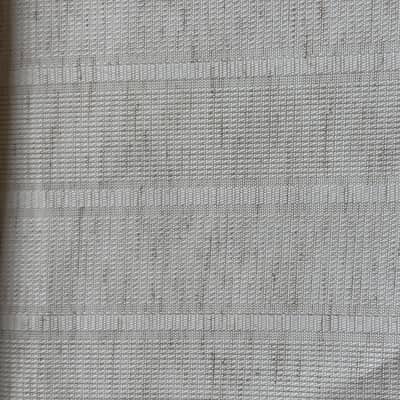
Polyester-Linen Stripe Fabric
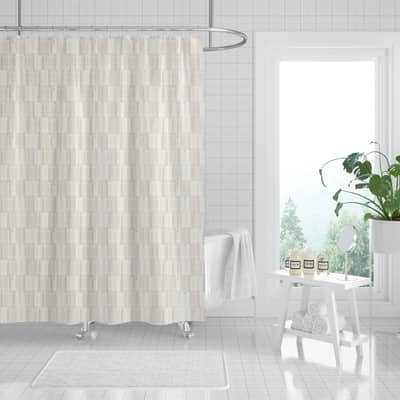
Woven Stripe
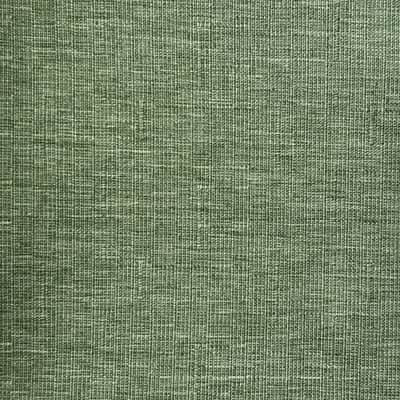
Green Polyester-Linen Slub Fabric
The Linen Look Is a Specification, Not a Swatch
When a buyer asks for a linen look shower curtain fabric OEM program, the first mistake is to start with a photograph of a hotel bathroom. The linen aesthetic is a surface effect, but it is manufactured through decisions that happen before the first meter is woven: the blend ratio, the yarn structure, the GSM, and the finishing route. Get those right, and the look repeats. Leave them vague, and every production run becomes a negotiation.
For international buyers, the challenge is that 'linen look' can mean anything from a smooth plain weave with a matte finish to a slubby, textured surface that mimics the irregularities of flax. The term is not a standard. It is a design brief that needs to be translated into measurable fabric properties.
At Shaoxing Haowen Textile Clothing Co., Ltd. (the company behind the curtains.vip team), we see this translation as the core of an OEM relationship. The buyer brings an aesthetic; we bring the technical options that make it repeatable. This article walks through the key specification points, using verified fabrics from our range as concrete examples.
Composition: How Much Linen Is Actually in the Roll?
The first number to lock down is the polyester-to-linen ratio. True linen is expensive, wrinkles easily, and can be challenging to print on consistently. That is why most linen look shower curtain fabrics are actually polyester-linen blends, where a small percentage of linen provides the visual and tactile character without the cost or care issues.
The blend ratio directly affects the hand feel, the drape, and the way the fabric accepts ink. A higher linen content gives a more authentic, crisp texture, but it also changes the printing behavior. A lower linen content, say 4% to 8%, keeps the fabric predominantly polyester, which is generally more predictable for digital printing.
Consider the verified options from curtains.vip. The 27-008-8-A Horizontal-Slub Polyester-Linen Fabric (SKU 27-008-8-A) uses a 96% polyester / 4% linen blend at 140 GSM. This is a subtle linen look, with a horizontal slub that adds texture without overwhelming the surface. It is a strong candidate for a buyer who wants a linen aesthetic that still prints cleanly.
At the other end, the 12×12 Plain-Weave Polyester-Linen Fabric (SKU 12X12-PL) uses an 85% polyester / 15% linen blend at 165 GSM. The higher linen content gives a more pronounced linen character, but the plain weave keeps it relatively smooth. This fabric suits a program where the linen feel is the priority and the print design is simpler.
GSM and Yarn Structure: What Creates the Linen Texture?
GSM, or grams per square meter, is the second critical number. It determines the fabric's weight, opacity, and how it hangs. Linen look fabrics typically range from 110 to 165 GSM, depending on the desired drape and the end use.
A lighter fabric, around 110-130 GSM, is more translucent and has a softer drape. It might be suitable for a decorative inner curtain or a layered look. A heavier fabric, around 165 GSM, is more opaque and substantial, often preferred for hotel guestrooms where privacy and a premium feel matter.
The yarn structure is what actually creates the linen texture. Slub yarns, which have intentional thick and thin sections, mimic the irregularity of flax fibers. The direction of the slub—horizontal, vertical, or cross—changes the visual effect. For example, the 27-008-3 Polyester-Linen Stripe Fabric (SKU 27-008-3) uses a 92% polyester / 8% linen blend at 130 GSM with a woven stripe that incorporates a slub effect. This fabric offers a structured, linear linen look that works well for contemporary designs.
Polyester-Linen Stripe Fabric
Woven Stripe
Another option is the 27-MA Green Polyester-Linen Slub Fabric (SKU 27-MA), which uses a 95% polyester / 5% linen blend at 165 GSM. The higher GSM and slub texture give it a more substantial, rustic feel. This fabric is a good match for a program that wants a visible linen texture with more body.
Print Compatibility: Not Every Linen Look Base Takes Ink the Same Way
If your program involves custom printing, print compatibility is a non-negotiable specification. The presence of linen fibers, and the slubby texture they create, can affect how ink sits on the surface. A smooth, tightly woven fabric will generally produce sharper print details, while a heavily textured fabric may diffuse the ink slightly, which can be a desirable effect for certain designs but a problem for others.
The verified fabrics at curtains.vip are each marked as printable or not. For linen look fabrics, the printable options include the 27-008-3, 12X12-PL, 27-MA, and 27-008-8-A. These have been tested for print compatibility, but the final result depends on your artwork, ink system, and the specific finish.
It is important to distinguish between a fabric being printable and a fabric being ideal for a specific print design. A fine, detailed pattern with small text will require a smoother base, such as the 12X12-PL plain weave. A large-scale, abstract design might work beautifully on a slubby fabric like the 27-MA, where the texture adds depth.
When you brief an OEM manufacturer, always request a print test on the actual base fabric before committing to bulk. A swatch test is not enough; you need to see how the ink behaves on the exact roll you plan to order.
Matching Verified Fabrics to Buyer Scenarios
Different buyer scenarios call for different linen look fabrics. Here is how the verified options from curtains.vip map to common OEM programs.
For a hotel project that needs a durable, opaque curtain with a subtle linen texture and the ability to print a custom logo or pattern, the 12X12-PL (85% polyester / 15% linen, 165 GSM) is a strong choice. The higher GSM provides a premium feel, and the plain weave offers a relatively smooth printing surface.
For a retail line that wants a fashionable linen look at a lighter weight, the 27-008-3 (92% polyester / 8% linen, 130 GSM) with its woven stripe adds a design element without requiring a print. This fabric could be used as a ready-made curtain with a simple hem.
For a private-label program that wants a rustic, textured aesthetic and plans to use a bold, large-scale print, the 27-MA (95% polyester / 5% linen, 165 GSM) offers a pronounced slub that gives the print a handcrafted feel.
For a buyer who wants a subtle linen look that prints with high clarity, the 27-008-8-A (96% polyester / 4% linen, 140 GSM) is a balanced option. The low linen content keeps the surface relatively smooth, while the horizontal slub adds just enough texture.
A Practical Checklist for Your Linen Look OEM Brief
Before you send an inquiry to a linen look shower curtain fabric OEM manufacturer, make sure your brief includes the following points. This checklist will save you time and prevent costly misunderstandings.
Composition: Specify the exact polyester-linen blend ratio you need, or ask for options within a range.
GSM: Define the target weight range. Consider the end use: lighter for decorative, heavier for hotel.
Width: Confirm the finished width of the roll. This affects how many panels you can cut and the overall yield.
Texture: Describe the desired surface effect—smooth, slubby, striped, etc. Reference a sample or a standard if possible.
Print requirements: If printing, specify the type of design (e.g., fine detail, large blocks) and request a print test on the actual base.
- Composition: exact blend ratio
- GSM: target weight range
- Width: finished roll width
- Texture: surface effect description
- Print requirements: design type and test
- MOQ: reference 2,000 m per SKU, lower accepted. The usual reference MOQ is 2,000 m per SKU; orders below 2,000 m are also accepted, with a slightly higher unit price.
- Sampling: physical swatch and print sample
- Testing: specify any required performance tests
Next Steps with curtains.vip
Building a linen look shower curtain fabric OEM program is a technical exercise, but it does not have to be a solo one. At curtains.vip, we work with buyers to translate their aesthetic into a repeatable specification. Our verified fabric range includes several linen look options, each with a clear composition, GSM, and print compatibility.
To move forward, review the product pages for the fabrics mentioned in this article, or contact our team through the /contact page. We can provide swatches, discuss print tests, and help you define the specification that will make your program consistent from the first sample to the final bulk order.
Questions buyers ask
What does 'linen look' mean in a shower curtain fabric specification?
Linen look refers to the visual and tactile resemblance to linen, achieved through polyester-linen blends and yarn structures like slubs. It is not a standard term, so buyers must specify the blend ratio, GSM, and texture to get a repeatable result.
How much linen should a linen look fabric contain?
Linen content typically ranges from 4% to 15% in polyester-linen blends. Higher linen content gives a more authentic feel but can affect printing and cost. The right percentage depends on your end use and print requirements.
Can all linen look fabrics be digitally printed?
No. Print compatibility depends on the fabric's surface and composition. At curtains.vip, each fabric is marked as printable or not. Always request a print test on the actual base before bulk production.
What is the MOQ for linen look shower curtain fabric from curtains.vip?
The usual reference MOQ is 2,000 m per SKU. Orders below 2,000 m are accepted with a slightly higher unit price. This allows buyers to pilot a new fabric without overcommitting.