
Linen Look Shower Curtain Fabric: How to Buy the Texture Without the Linen Problems
Linen look shower curtain fabric is a texture story, not a fiber claim. This article helps wholesale buyers verify composition, GSM, and print compatibility across verified polyester-linen blends, with a practical sampling checklist.

PRODUCTS
Products in this report
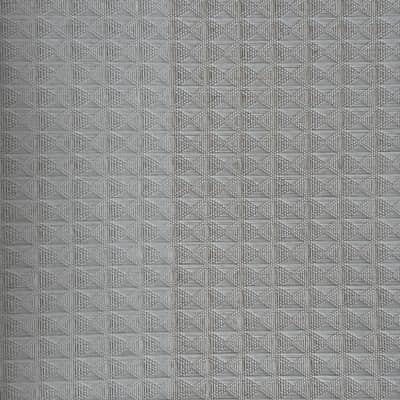
Crosshatch Polyester-Linen Fabric
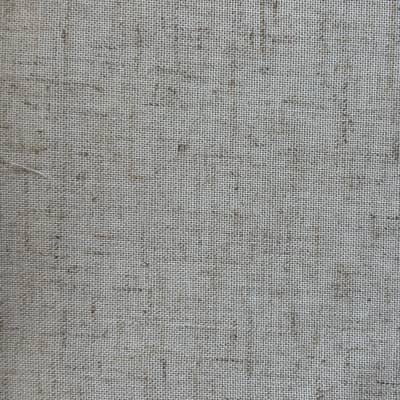
12×12 Plain-Weave Polyester-Linen Fabric
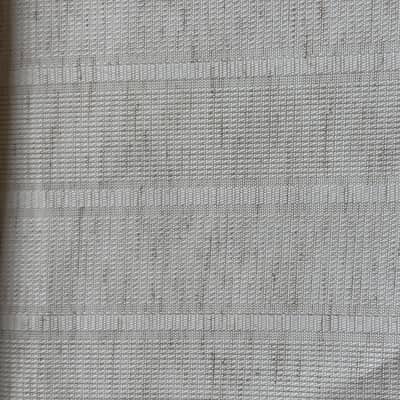
Polyester-Linen Stripe Fabric
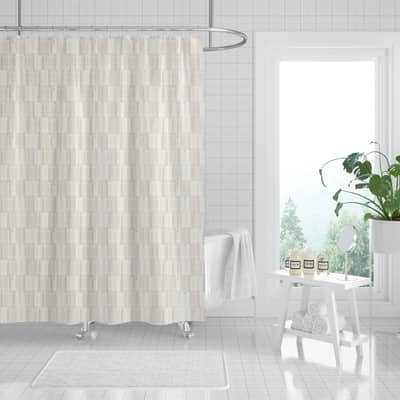
Woven Stripe
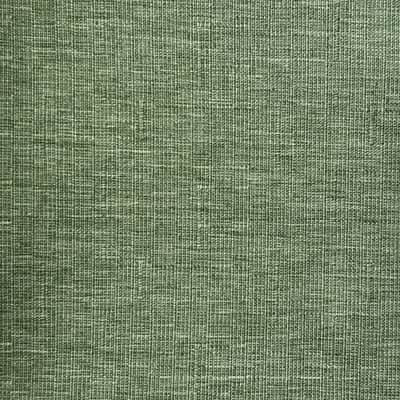
Green Polyester-Linen Slub Fabric
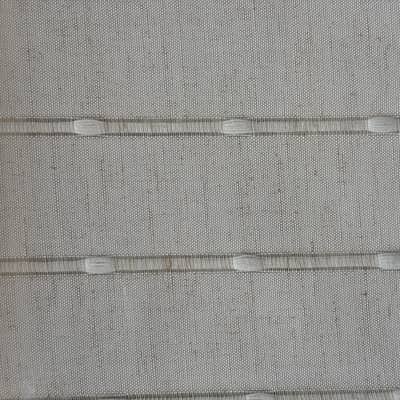
Horizontal-Slub Polyester-Linen Fabric
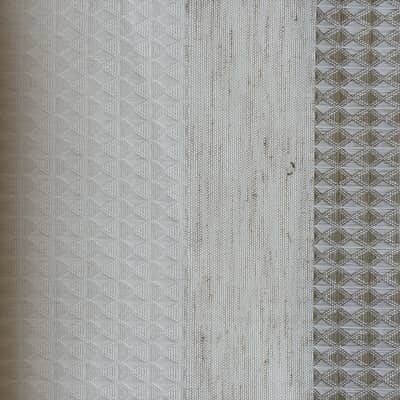
Vertical-Texture Polyester-Linen Fabric
The Linen Look Is a Specification, Not a Fiber
When a buyer asks for linen look shower curtain fabric, they usually mean the relaxed, textured surface that reads as natural and slightly rumpled. They rarely mean the fiber itself. Real linen brings a higher price, a tendency to wrinkle, and a care profile that does not fit every hotel or retail program. The practical move is to source a polyester-linen blend that delivers the visual and tactile effect while keeping the order manageable.
Shaoxing Haowen Textile Clothing Co., Ltd. (the company behind the curtains.vip team) supplies several such bases, each with a different linen percentage, weave, and weight. The differences matter more than the word linen in the product name. Before you compare quotes, you need to know what percentage of linen is actually in the roll, how the yarn is spun, and what the fabric weighs per square meter.
This article walks through the decisions that separate a good linen look order from a costly mismatch. You will see how composition, GSM, weave, and print compatibility interact, and which verified SKUs fit which buyer scenario.
Composition: The Linen Percentage Changes the Price and the Hand
The first number to check is the polyester-to-linen ratio. A fabric labelled linen look may contain anywhere from 3% to 15% linen. That range changes the cost, the drape, and the way the fabric accepts ink.
At the lower end, 27-009-C-1 Crosshatch Polyester-Linen Fabric (SKU 27-009-C-1) uses 97% polyester and 3% linen. The linen is enough to create a subtle crosshatch texture without pushing the price up significantly. At the higher end, 12×12 Plain-Weave Polyester-Linen Fabric (SKU 12X12-PL) contains 15% linen, which gives a more pronounced natural slub and a slightly heavier hand.
Crosshatch Polyester-Linen Fabric
12×12 Plain-Weave Polyester-Linen Fabric
For buyers who want a clear linen stripe, 27-008-3 Polyester-Linen Stripe Fabric (SKU 27-008-3) uses 8% linen in a woven stripe construction. The stripe is part of the weave, not a print, so it will not fade or misalign during production.
Polyester-Linen Stripe Fabric
Woven Stripe
The practical rule is simple: do not assume a higher linen percentage is better. A 3% linen fabric can still read as linen look if the weave is right, and it will usually be more economical. A 15% linen fabric gives a more authentic hand but may be overkill for a budget-conscious program.
GSM: Matching Weight to the End Use
GSM, or grams per square meter, is the second number that defines the roll. It affects how the fabric hangs, how it feels, and how it behaves in printing and finishing.
The verified linen look fabrics in the curtains.vip range sit between 130 and 165 GSM. That is a meaningful spread. At 130 GSM, 27-008-3 Polyester-Linen Stripe Fabric (SKU 27-008-3) is lighter and more suited to a curtain that needs to drape softly. At 165 GSM, 12×12 Plain-Weave Polyester-Linen Fabric (SKU 12X12-PL) and 27-MA Green Polyester-Linen Slub Fabric (SKU 27-MA) have more body and a more substantial feel.
For a hotel bathroom where the curtain will be handled daily, a heavier fabric often feels more premium and holds its shape better. For a retail line where the priority is a light, airy look, a lower GSM may be the right call. The key is to specify the GSM in your inquiry, not just the look.
Do not rely on the product name alone. Two fabrics can both be called linen look and differ by 35 GSM, which is enough to change the entire character of the finished curtain.
Weave and Texture: Where the Linen Look Actually Comes From
The linen look is created by the weave and the yarn structure, not by the fiber content alone. A plain weave with slub yarns, a crosshatch, a stripe, or a vertical texture can all read as linen.
27-008-8-A Horizontal-Slub Polyester-Linen Fabric (SKU 27-008-8-A) uses 96% polyester and 4% linen with a horizontal slub effect. The slub is irregular, which mimics the natural unevenness of linen yarn. 27-009-C Vertical-Texture Polyester-Linen Fabric (SKU 27-009-C) uses a vertical texture to create a different visual rhythm.
Horizontal-Slub Polyester-Linen Fabric
Vertical-Texture Polyester-Linen Fabric
When you are sourcing for a private label, think about how the texture will look in a small swatch versus a full curtain. A subtle crosshatch may look busy in a 10-centimeter sample but elegant at full scale. A bold stripe may be the opposite. Order a large enough sample to judge the texture at the actual drop length.
The weave also affects how the fabric takes print. A smooth plain weave will hold fine detail better than a heavily textured slub. If your design includes small text or intricate patterns, you may need to choose a base with a more even surface.
Print Compatibility: Not Every Linen Look Base Prints the Same
All the verified fabrics listed in this article are marked as printable, but printable does not mean identical. The surface texture and the fiber blend influence how ink sits on the fabric and how the final colors appear.
A fabric with a pronounced slub, such as 27-MA Green Polyester-Linen Slub Fabric (SKU 27-MA), will have tiny variations in the surface that can affect fine detail. A smoother plain weave like 12×12 Plain-Weave Polyester-Linen Fabric (SKU 12X12-PL) will generally reproduce a design more consistently.
If your program involves digital printing, request a print test on the actual base before you commit to bulk. The test should use your artwork, not a generic image, so you can see how the texture interacts with your colors and line work.
The same rule applies to the finish. A fabric that prints well in a matte finish may look different with a softener or a water-repellent treatment. Confirm the finishing steps with your supplier before you approve the sample.
A Practical Checklist for Linen Look Fabric Orders
Before you send an inquiry for linen look shower curtain fabric, use this checklist to make sure you and the supplier are talking about the same roll.
- Composition: Specify the exact polyester-linen ratio you need. Do not accept a vague linen look label.
- GSM: State the target weight range. 130 GSM and 165 GSM are different products with different costs.
- Weave: Choose the texture that matches your design. Crosshatch, stripe, slub, and plain weave all read differently.
- Print compatibility: Confirm the base is printable for your method, and request a print test with your artwork.
- Sampling: Order a full-width sample, not a small swatch, to judge drape and texture.
- MOQ: Confirm the minimum order quantity. curtains.vip uses 2,000 m per SKU as a reference, but lower volumes are accepted with a slightly higher unit price.
- Quotation: Ask for a quote that separates fabric cost, printing, and finishing so you can compare apples to apples.
Matching Verified Fabrics to Buyer Scenarios
Different linen look fabrics suit different programs. Here is how the verified SKUs map to common buyer needs.
For a hotel project that wants a natural, textured look with a soft drape, 27-008-3 Polyester-Linen Stripe Fabric (SKU 27-008-3) at 130 GSM offers an 8% linen stripe that adds visual interest without being heavy. The stripe can be aligned across panels if you specify it.
For a retail line that needs a more substantial feel, 12×12 Plain-Weave Polyester-Linen Fabric (SKU 12X12-PL) at 165 GSM with 15% linen gives a higher perceived quality. The higher linen content also supports a more authentic natural story on the packaging.
For a private label that wants a subtle texture without a strong pattern, 27-009-C Vertical-Texture Polyester-Linen Fabric (SKU 27-009-C) or 27-008-8-A Horizontal-Slub Polyester-Linen Fabric (SKU 27-008-8-A) provide quiet surface interest that works well with printed designs.
If you are developing a program that needs a slightly heavier drape with a slub effect, 27-MA Green Polyester-Linen Slub Fabric (SKU 27-MA) at 165 GSM is a strong candidate. The green tint in the name refers to the yarn color, not a finished shade, so confirm the actual color with a sample.
Next Steps: Turning This into a Quotation
Once you have narrowed down the composition, GSM, and weave, the next step is to request samples and a quotation. At curtains.vip, we can send you swatches of the verified fabrics listed here, and we can also develop a custom linen look base if your program requires a specific blend or weight.
To move forward, review the full product range at /products or contact the curtains.vip team through /contact. Include your target GSM, composition range, and estimated order volume so we can respond with relevant options.
A linen look shower curtain fabric order is not a single decision. It is a sequence of specifications that, when locked down early, prevent costly surprises later. Start with the numbers, not the name.
Questions buyers ask
What does linen look mean in shower curtain fabric?
Linen look refers to the visual and tactile texture that mimics natural linen, usually achieved through a polyester-linen blend and a specific weave such as slub, crosshatch, or stripe. It does not mean the fabric is made entirely of linen.
What is the typical MOQ for linen look shower curtain fabric from curtains.vip?
The usual reference MOQ is 2,000 m per SKU. Orders below 2,000 m are accepted with a slightly higher unit price, so pilot runs and smaller programs are possible.
Can linen look fabric be printed?
Yes, the verified linen look fabrics from curtains.vip are printable. However, the texture and composition can affect print quality, so it is recommended to request a print test with your artwork before bulk production.
What is the difference between 130 GSM and 165 GSM linen look fabric?
GSM (grams per square meter) indicates weight. A 130 GSM fabric is lighter and drapes more softly, while a 165 GSM fabric has more body and a more substantial feel. The choice depends on the end use and desired hand feel.