
Shower Curtain Print Design: How to Match Artwork to Fabric Weight and Weave
Shower curtain print design starts with the base fabric, not the artwork. This guide explains how GSM, weave, and composition affect print quality, and how to match verified curtains.vip fabrics and prints to your project.

PRODUCTS
Products in this report
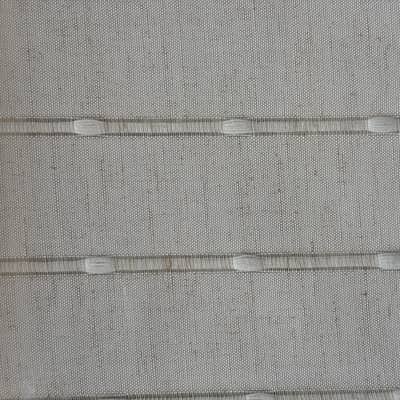
Horizontal-Slub Polyester-Linen Fabric
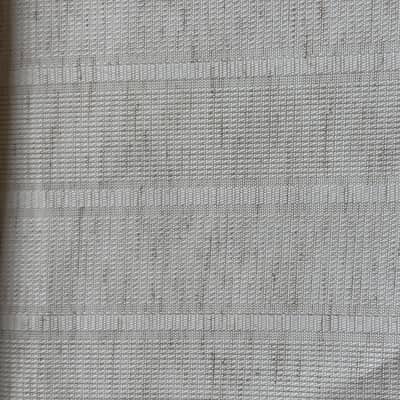
Polyester-Linen Stripe Fabric
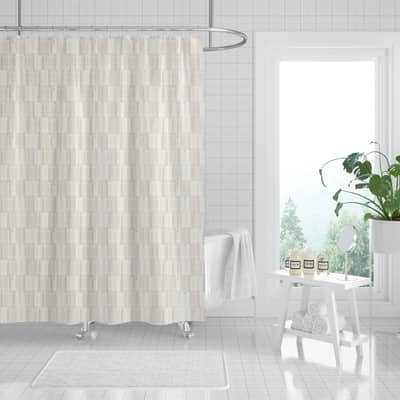
Woven Stripe
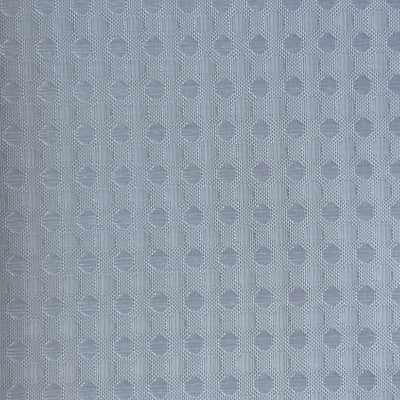
Dotted-Waffle Polyester Fabric
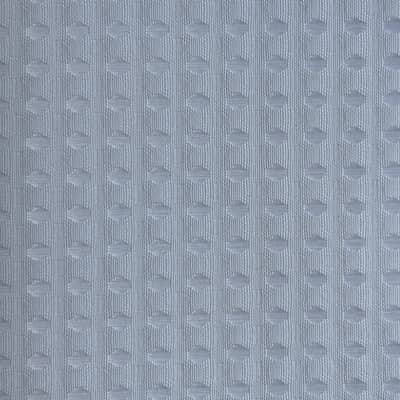
Polyester Waffle Fabric
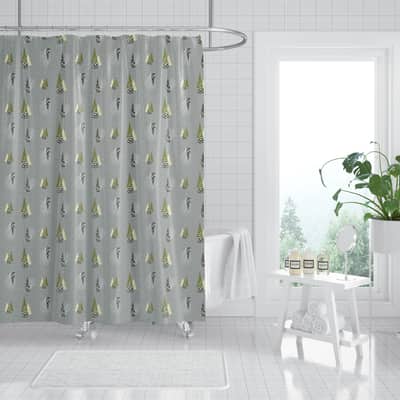
Snowy Cedar Forest
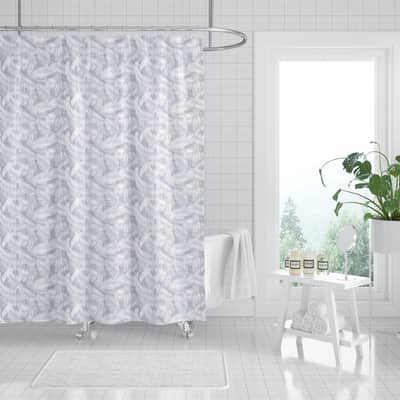
Glacier Water Waves
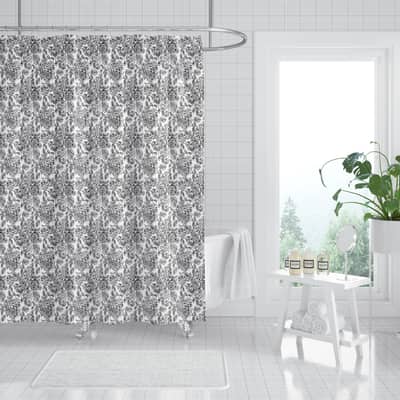
Classic Grey Damask
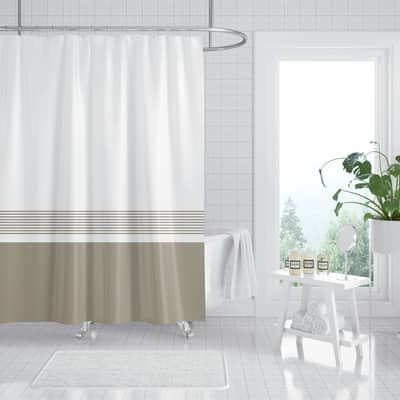
Oatmeal Colour Block
Start with the Base Fabric, Not the Artwork
A shower curtain print design can look perfect on screen and fail on the wrong base. The fabric's weight, weave, and composition determine how ink sits on the surface, how colors appear, and how the final product drapes. Before you send a print file, you need to know what you are printing on.
For B2B buyers, this means making fabric decisions before design decisions. The base fabric is the foundation of the print. A 120 GSM waffle will not print the same as a 140 GSM slub weave, even with identical artwork. Understanding these differences helps you avoid costly sampling rounds and production delays.
GSM: The First Number That Affects Print Quality
GSM, or grams per square meter, is the first specification to lock down. It affects how the fabric feels, how it hangs, and how it absorbs ink. Lighter fabrics, around 120 GSM, are more translucent and may require a white base or special ink layering for vibrant prints. Heavier fabrics, around 225 GSM, offer more opacity and a more substantial hand feel, but they can also absorb more ink, affecting color depth.
For shower curtain print design, the right GSM depends on the end use. A hotel guestroom might prefer a mid-weight fabric that balances drape and opacity, while a retail program might prioritize a lighter weight for cost. The key is to test your print on the actual GSM you plan to order.
Weave and Texture: What the Surface Does to Ink
The weave structure changes how a print appears. A smooth, tight weave holds fine details and sharp lines. A textured weave, like waffle or slub, adds dimension but can distort patterns or make small text less legible. For example, a horizontal-slub fabric with a 140 GSM weight has a subtle texture that can give a print a natural, linen-like feel, but it may not be ideal for intricate geometric designs.
Consider the visual effect you want. A damask print on a smooth polyester will look crisp and formal. The same print on a waffle weave will have a softer, more casual look. Think about the brand or project aesthetic before choosing the weave.
Composition: Polyester-Linen Blends vs. 100% Polyester
Composition affects both the look and the print result. 100% polyester fabrics are common for shower curtains because they are durable and take ink well. Polyester-linen blends, such as 96% polyester with 4% linen, add a natural texture and a matte finish that can enhance certain print designs. However, the linen content can affect ink absorption, so testing is essential.
For example, the 27-008-8-A Horizontal-Slub Polyester-Linen Fabric (140 GSM) offers a linen look that works well with organic, nature-inspired prints. The 27-008-3 Polyester-Linen Stripe Fabric (130 GSM) has a woven stripe that can complement a print but may require alignment considerations. Know your composition before you commit to a print.
Horizontal-Slub Polyester-Linen Fabric
Polyester-Linen Stripe Fabric
Woven Stripe
Print Compatibility: Not Every Base Takes Ink the Same Way
Print compatibility is product-specific. Some fabrics are designed for printing, while others are not. At curtains.vip, we verify which fabrics are printable. For example, the Dotted-Waffle Polyester Fabric (120 GSM) and the Polyester Waffle Fabric (225 GSM) are both printable, but the texture will affect the final look. The 27-008-8-A and 27-008-3 fabrics are also printable, but the linen content requires testing.
Dotted-Waffle Polyester Fabric
Polyester Waffle Fabric
When you request a sample, ask for a print test on the exact fabric you plan to use. This is the only way to see how colors, details, and textures interact. Do not assume that because a fabric is printable, it will work for your specific design.
Matching Prints to Fabrics: Practical Scenarios
Here is how to match specific prints to fabrics based on the design style and end use. For a nature-inspired design like the Snowy Cedar Forest print, a textured base like the 27-008-8-A Horizontal-Slub Polyester-Linen Fabric adds a natural, organic feel. For a modern, geometric print like the Glacier Water Waves, a smoother 100% polyester base like the Dotted-Waffle Polyester Fabric can provide a cleaner surface.
Snowy Cedar Forest
Glacier Water Waves
For a classic, elegant look like the Classic Grey Damask print, the Polyester Waffle Fabric (225 GSM) offers a substantial hand feel and a subtle texture that enhances the damask pattern. For a minimalist design like the Oatmeal Colour Block print, the 27-008-3 Polyester-Linen Stripe Fabric adds a subtle stripe that can complement the color blocking.
Classic Grey Damask
Oatmeal Colour Block
These are starting points. Always test your print on the actual fabric before bulk production.
A Practical Checklist for Shower Curtain Print Design
Before you finalize your print design and place an order, use this checklist to avoid common pitfalls.
- Confirm the GSM of the base fabric and how it affects ink absorption and opacity.
- Choose a weave that complements the print style, not fights it.
- Verify the composition, especially if the fabric contains linen or other natural fibers.
- Request a print test on the exact fabric SKU before bulk production.
- Check the MOQ: our usual reference is 2,000 m per SKU, but we accept lower quantities with a slightly higher unit price. The usual reference MOQ is 2,000 m per SKU; orders below 2,000 m are also accepted, with a slightly higher unit price.
- Discuss sampling and lead time with your curtains.vip contact early.
Next Steps with curtains.vip
Shower curtain print design is a collaboration between your artwork and our fabrics. At curtains.vip, we offer a range of verified printable fabrics and custom print development. Shaoxing Haowen Textile Clothing Co., Ltd. (the company behind the curtains.vip team) is based in Shaoxing, Zhejiang, China, and we work with B2B buyers worldwide.
Review our /products page to see the available fabrics and prints, or contact us at /contact to discuss your project. We can help you select the right base and test your print before you commit to bulk.
Questions buyers ask
What is the best fabric for shower curtain print design?
The best fabric depends on your design and end use. For crisp, detailed prints, a smooth 100% polyester with a higher GSM, like the Polyester Waffle Fabric (225 GSM), works well. For a natural, textured look, a polyester-linen blend like the 27-008-8-A (140 GSM) can enhance organic designs. Always test your print on the actual fabric.
How does GSM affect print quality?
GSM affects ink absorption and opacity. Lighter fabrics (around 120 GSM) may need more ink layers for vibrant colors and can be more translucent. Heavier fabrics (around 225 GSM) provide better opacity and a more substantial feel, but they may absorb more ink, affecting color depth. Test your print on the exact GSM you plan to order.
Can I print on textured fabrics like waffle or slub?
Yes, but the texture will affect the print. Textured fabrics can distort fine details and make small text less legible. They also add a dimensional quality that can enhance certain designs. At curtains.vip, we verify which fabrics are printable, and we recommend a print test on the exact fabric before bulk production.
What is the MOQ for printed shower curtain fabric?
Our usual reference MOQ is 2,000 m per SKU. We accept orders below 2,000 m with a slightly higher unit price. This flexibility helps with pilot runs and private label programs.
How do I get a print test on a specific fabric?
Contact us through /contact and specify the fabric SKU and your print design. We can arrange a sample with a print test so you can see how the design interacts with the base before committing to bulk.