
Shower Curtain Fabric Demand by Buyer Segment: A Decision Memo for Three Briefs
Three buyers can approve the same shower curtain roll for three different reasons. This decision memo works through the brief, the trade-offs, the shortlist logic and the validation step before a range commitment.

PRODUCTS
Products in this report
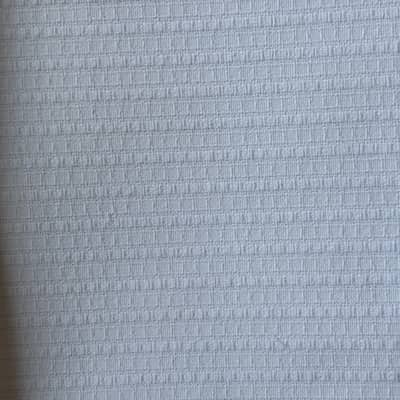
Fine Textured Jacquard Fabric
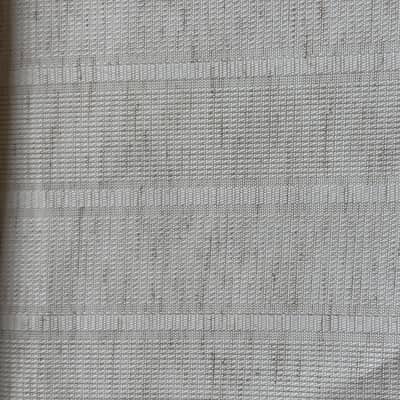
Polyester-Linen Stripe Fabric
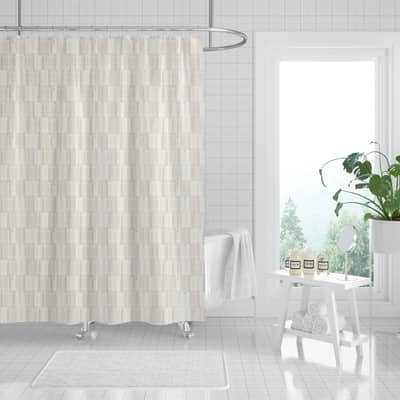
Woven Stripe
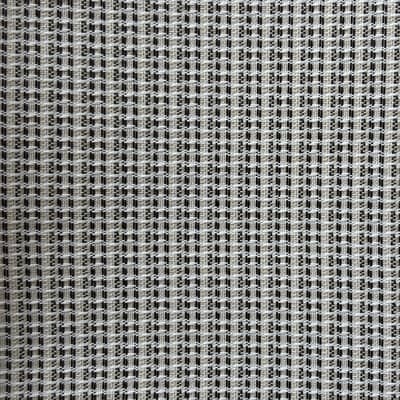
Contrast Grid Linen-Look Fabric
The Choice That Lands on the Desk First
A buying desk has one range slot and three internal voices competing for it. The hotel operator wants a roll that survives a replacement cycle without a visible change in surface. The retail category manager wants a hanging product that reads from three metres under store lighting. The private-label programme manager wants a base that can carry a new print or colourway next season without a full respecification. Each voice is describing demand, but none of them is describing the same demand.
That is the practical problem behind shower curtain fabric demand by buyer segment. The question is not whether demand exists; it is which segment's brief the roll is actually being bought for. A fabric that satisfies one clock can quietly fail another, and the failure usually appears at the second order rather than at approval. The decision in front of the buyer is therefore a sequencing decision: which brief gets the slot, which brief gets a second SKU, and which brief waits.
Where the Three Briefs Pull Apart
The hotel brief is a maintenance brief. The roll has to be reorderable at the same specification, because a property that replaces curtains room by room cannot absorb a surface change between deliveries. Weight and construction matter less as an aesthetic statement than as a promise of consistency. A 180 GSM fine textured jacquard and a 190 GSM fine grid jacquard sit in the same family and read as quiet neutrals, which is exactly why a hotel programme can specify one and hold it for years.
The retail brief is a presentation brief. The roll has to sell from a hanging position, where the buyer's customer sees the fold, the light break and the colour before anyone touches it. A 165 GSM large floral jacquard with a natural ivory ground does a different job from a flat white base: it gives the shelf a motif to sell against. The trade-off is that a motif narrows the range of rooms and seasons it can serve.
The private-label brief is a change brief. The base has to accept a new print or a new colourway without the programme renegotiating construction. Printable status is the gate here, and it is a product-specific fact rather than a category promise. A 140 GSM horizontal-slub polyester-linen base at 96% polyester and 4% linen gives a private-label programme a printable surface with a visible slub, while a 155 GSM contrast grid linen-look base at 100% polyester is not printable and belongs to a different decision entirely.
Two Rolls That Make the Trade-Off Concrete
Put 27-DS001-D and 27-008-3 side by side and the segment split becomes visible. The first is a 180 GSM, 100% polyester fine textured jacquard, printable, white. The second is a 130 GSM, 92% polyester and 8% linen woven stripe in a linen look, also printable. Both can be ordered at the same usual reference MOQ of 2,000 m per SKU, and both can be sampled before commitment. The usual reference MOQ is 2,000 m per SKU; orders below 2,000 m are also accepted, with a slightly higher unit price.
The jacquard answers a hotel or contract brief where the surface has to stay legible after repeated handling and where a white base keeps the room neutral. The lighter striped base answers a retail or private-label brief where the surface has to carry a linen-look story at a weight that hangs softly and prints cleanly. Choosing between them is not a quality judgement. It is a judgement about which buyer clock the slot is serving.
A third option shows where a shortlist can go wrong. The 27-001-C-1 contrast grid linen-look fabric is a 155 GSM, 100% polyester base with a black accent, and it is not printable. It is a strong candidate for a retail or hotel brief that wants a graphic surface and will not print on it. It is not a candidate for a private-label programme that plans seasonal artwork, no matter how well it photographs.
What Our Own Signals Do and Do Not Show
Searches for shower-curtain and fabric terms have reached curtains.vip, but the volumes involved are small and the rows describe our own site, not the wider market. They tell us which questions buyers bring to our catalogue. They do not establish market size, share, growth or direction, and we do not treat them as evidence of a trend.
The useful reading is narrower. Buyers arrive with a segment in mind before they arrive with a SKU in mind, and the segment shapes the specification they ask about. That is a first-party observation about our own enquiry pattern, not a claim about global demand. Any wider inference about which segment is growing belongs to the buyer's own market data, not to ours.
The Shortlist Logic Before Sampling
A shortlist that survives contact with three briefs usually follows one rule: assign each candidate roll to one primary buyer clock, and refuse to let a roll serve two. A hotel replacement roll, a retail reset roll and a private-label change roll can share a composition family, but they should not share a slot.
The second rule is to check printable status before the aesthetic conversation, because printability is a hard limit rather than a preference. A programme that plans artwork cannot shortlist a non-printable base, and a programme that will never print should not pay for a printable surface it does not need.
The third rule is to confirm that the roll can be reordered at the same specification. This is where the usual reference MOQ becomes relevant: 2,000 m per SKU is the reference, and orders below that are accepted with a slightly higher unit price, which allows a pilot run to test one property, one door or one season before a range commitment.
Validation and the Commercial Handoff
Validation should test the segment, not the swatch. For a hotel brief, the test is whether two panels from different production runs read the same under the property's lighting. For a retail brief, the test is whether the surface still reads from the distance a customer actually stands at. For a private-label brief, the test is whether the base holds a print file the programme intends to run.
The commercial handoff then names the SKU, the GSM, the composition and the print status, and retains a reference panel from the approved roll. Shaoxing Haowen Textile Clothing Co., Ltd. (the company behind the curtains.vip team) develops curtain, shower-curtain and table-linen fabrics, including custom print development and finished shower curtain OEM/ODM, so the handoff can move from roll goods to a finished programme without a change of supplier. A restrained next step is to review the verified range at /products or open the brief at /contact.