
Working with a Shower Curtain Fabric Exporter: What to Verify Before Your First Roll Order
Choosing a shower curtain fabric exporter is about verifying specifications, not just price. This guide walks through GSM, composition, print compatibility, and sampling, with specific fabrics from curtains.vip.

PRODUCTS
Products in this report
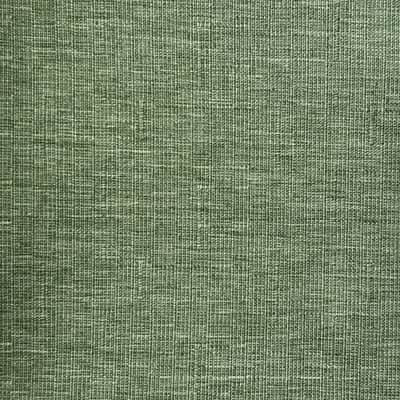
Green Polyester-Linen Slub Fabric
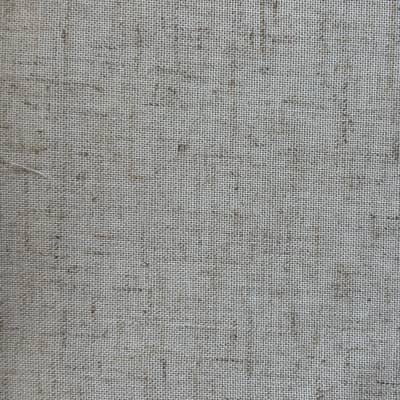
12×12 Plain-Weave Polyester-Linen Fabric
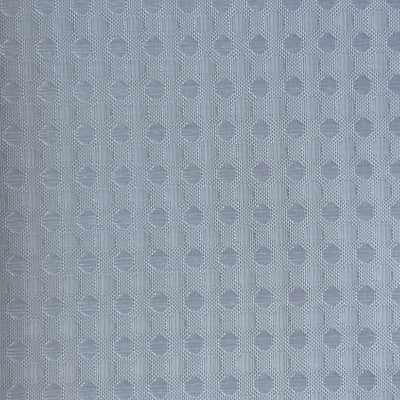
Dotted-Waffle Polyester Fabric
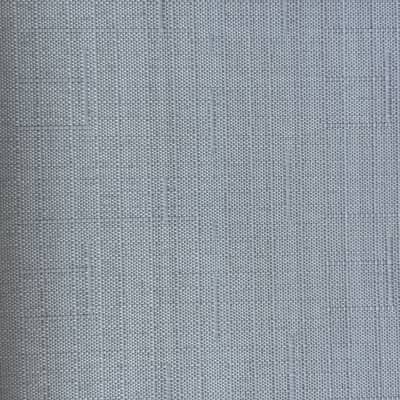
Cross-Slub Polyester Fabric
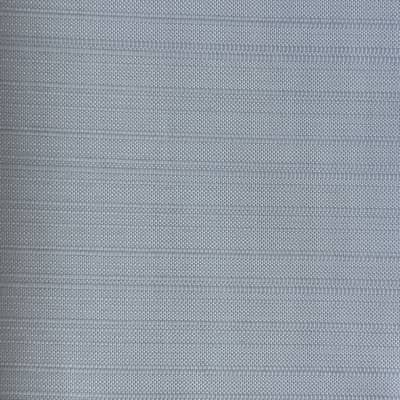
Linear-Slub Polyester Fabric
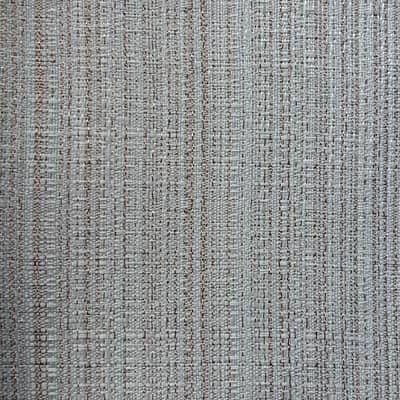
16# Rose-Gold Mini Jacquard Fabric
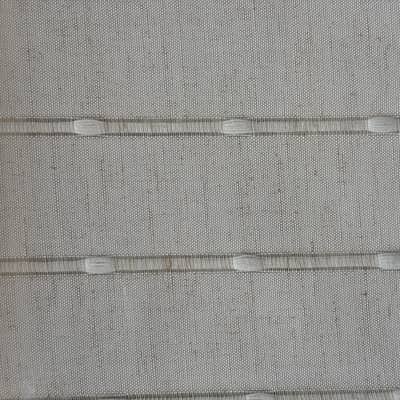
Horizontal-Slub Polyester-Linen Fabric
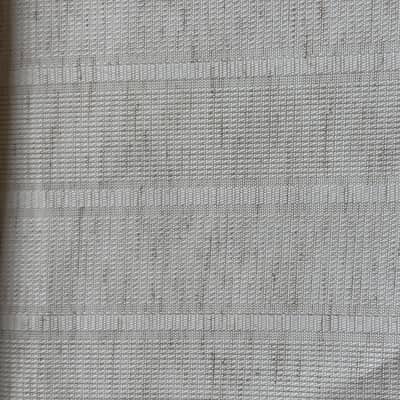
Polyester-Linen Stripe Fabric
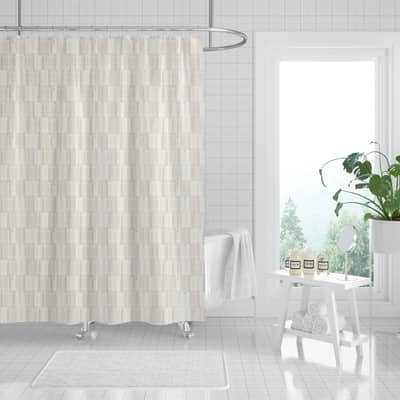
Woven Stripe
Start with the Specification, Not the Exporter's Location
When you search for a shower curtain fabric exporter, the first instinct is to compare prices and lead times. But the real risk in a roll-goods order is specification drift: a fabric that looks right in a photo but behaves differently in production. The exporter's job is to translate your requirements into a consistent roll, and that only works if you have locked down the numbers that matter.
Shaoxing Haowen Textile Clothing Co., Ltd. (the company behind the curtains.vip team) operates from Shaoxing, Zhejiang, a region with a dense textile supply chain. That proximity to weaving and finishing mills is useful, but it does not replace your own specification sheet. The questions below are the ones we hear most often from hotel buyers, retailers, and private-label programmes, and they apply whether you are ordering 2,000 meters or a pilot run.
GSM and Composition: The Two Numbers That Define the Roll
GSM, or grams per square meter, is the first number to settle. It determines drape, opacity, and how the fabric feels in a guest bathroom or on a retail shelf. A 110 GSM polyester will hang differently from a 165 GSM polyester-linen blend, and that difference affects both the look and the cost per curtain.
Composition is the second number. Polyester-linen blends offer a natural texture, while 100% polyester is more uniform and often easier to print. The ratio matters: a 95% polyester / 5% linen slub fabric has a different hand feel than an 85/15 blend. Do not assume a higher linen percentage is always better; it changes the weave and the print surface.
For example, the 27-MA Green Polyester-Linen Slub Fabric (SKU 27-MA) is a 165 GSM, 95% polyester / 5% linen base with a slub texture. That works for a hotel project where you want a natural, slightly irregular surface without the cost of a high linen content. The 12×12 Plain-Weave Polyester-Linen Fabric (SKU 12X12-PL) is also 165 GSM but uses an 85% polyester / 15% linen blend in a plain weave, giving a more uniform, classic linen look. Both are printable, but the print result will differ because of the weave and slub.
Weave and Texture: What the Surface Does to the Final Product
Weave is not just a visual detail. It affects how the fabric accepts print, how it drapes, and how it feels against the skin. A plain weave is smooth and predictable; a slub weave adds texture but can make fine details in a print look less sharp. A waffle weave adds dimension but changes the way light reflects off the surface.
If you are sourcing for a retail line where the curtain is a fashion item, texture can be a selling point. The Dotted-Waffle Polyester Fabric (SKU FAB-WAFFLE-DOT-120) is a 120 GSM, 100% polyester waffle with a dotted pattern. It is printable, so you can add a design, but the waffle texture will be part of the final look. For a more subtle texture, the Cross-Slub Polyester Fabric (SKU FAB-SLUB-CROSS-110) or Linear-Slub Polyester Fabric (SKU FAB-SLUB-LINE-110) offer slub effects at 110 GSM, both 100% polyester and printable.
The key is to sample before you commit. A swatch in hand tells you more than a product photo, especially for textured weaves. Ask for a sample of the exact base you plan to order, and if you are printing, ask for a printed sample on that base.
Print Compatibility: Not Every Base Takes Ink the Same Way
If your project involves custom prints, print compatibility is a critical specification. Some fabrics are designed for printing; others are not. The product data on curtains.vip clearly marks which fabrics are printable, and that is the first thing to check.
For example, the 16# Rose-Gold Mini Jacquard Fabric (SKU FAB-16-RG) is not printable. It is a 140 GSM, 85% polyester / 15% metallic yarn jacquard, and the metallic yarn interferes with print adhesion. If you need a metallic look with a print, you would need to explore other options or a different finish.
On the other hand, the 27-008-8-A Horizontal-Slub Polyester-Linen Fabric (SKU 27-008-8-A) is printable. It is a 140 GSM, 96% polyester / 4% linen slub, and the slub adds texture without preventing print. The 27-008-3 Polyester-Linen Stripe Fabric (SKU 27-008-3) is also printable, a 130 GSM, 92% polyester / 8% linen stripe that gives a woven stripe effect even before printing.
Horizontal-Slub Polyester-Linen Fabric
Polyester-Linen Stripe Fabric
Woven Stripe
When you send artwork, your exporter should confirm that the base fabric is compatible with the print method and that the design will hold up in production. Do not assume that because a fabric is printable, any design will work. Fine lines, large color blocks, and photographic images all behave differently on textured bases.
MOQ and Sampling: Planning for Pilot Runs and Private Label
The usual reference MOQ at curtains.vip is 2,000 meters per SKU. That is a starting point, not a refusal threshold. Orders below 2,000 meters are accepted with a slightly higher unit price, which is useful for pilot runs or testing a new design before committing to bulk.
For private-label programmes, sampling is non-negotiable. You need to verify hand feel, print quality, and color accuracy before you place a bulk order. A sample of the base fabric is a start, but a printed sample is better. Ask for a sample that matches your artwork as closely as possible, and check it under the lighting conditions of your target market.
When you request a quotation, compare more than unit price. Ask about the cost of samples, the lead time for sample production, and how the MOQ applies to different SKUs. A supplier that is transparent about these details is easier to work with in the long run.
A Practical Checklist for Your First Roll Order
Before you commit to a shower curtain fabric exporter, run through this checklist:
- Confirm the GSM and composition for each SKU, and make sure they match your application.
- Check the weave and texture: plain, slub, waffle, or jacquard, and how it affects print and drape.
- Verify print compatibility: is the fabric marked as printable, and have you seen a printed sample?
- Clarify the MOQ: is 2,000 meters per SKU the reference, and what is the price adjustment for smaller orders?
- Ask about sampling: what is the cost, and how long does it take to receive a base or printed sample?
- Request a quotation that includes unit price, lead time, and any finishing or packaging options.
- Discuss testing: what quality checks does the exporter perform, and what can you validate before bulk production?
Matching Fabrics to Buyer Scenarios
Different buyers need different fabrics. A hotel project might prioritize a natural, textured look that feels premium, while a retail line might focus on printability and cost. Here are a few scenarios:
For a hotel renovation where you want a linen look without the maintenance of real linen, the 12×12 Plain-Weave Polyester-Linen Fabric (SKU 12X12-PL) at 165 GSM offers a balanced drape and a printable surface. The 27-MA Green Polyester-Linen Slub Fabric (SKU 27-MA) adds more texture for a boutique feel.
For a retail program with custom prints, the Cross-Slub or Linear-Slub Polyester fabrics (SKU FAB-SLUB-CROSS-110 and FAB-SLUB-LINE-110) are lightweight, printable, and offer a subtle texture that differentiates your product. The Dotted-Waffle (SKU FAB-WAFFLE-DOT-120) gives a spa-like feel if that fits your brand.
For a private-label line that needs a woven stripe effect, the 27-008-3 Polyester-Linen Stripe Fabric (SKU 27-008-3) provides that look at 130 GSM, and it is printable for added branding.
Next Steps with curtains.vip
Working with a shower curtain fabric exporter is about aligning specifications, not just placing an order. At curtains.vip, we publish the key details for each fabric—GSM, composition, print compatibility, and MOQ—so you can shortlist before you contact us. Review the product pages at /products, and when you are ready, reach out through /contact with your project requirements. We will help you match the right base to your application and guide you through sampling and production.
Questions buyers ask
What does MOQ mean for shower curtain fabric orders?
MOQ stands for minimum order quantity. At curtains.vip, the usual reference MOQ is 2,000 meters per SKU. Orders below 2,000 meters are accepted with a slightly higher unit price, which is useful for pilot runs or testing new designs.
How do I know if a fabric is printable?
Each product page on curtains.vip indicates whether a fabric is printable. For example, the 12×12 Plain-Weave Polyester-Linen Fabric is printable, while the 16# Rose-Gold Mini Jacquard Fabric is not. Always check the product data and request a printed sample before bulk production.
What is the difference between 110 GSM and 165 GSM fabric?
GSM (grams per square meter) indicates fabric weight. A 110 GSM fabric is lighter and more sheer, while a 165 GSM fabric is heavier, more opaque, and drapes differently. The right choice depends on your application, such as hotel vs. retail.
Can I order less than 2,000 meters?
Yes, orders below 2,000 meters are accepted, but the unit price is slightly higher. This is common for pilot runs or small-batch private label programs. Contact curtains.vip for a specific quotation.
What should I check in a fabric sample?
Check the hand feel, drape, color accuracy, and print quality if applicable. Also verify the GSM and composition against the specification. A printed sample is recommended for custom designs.