
Shower Curtains Material: Matching Weight, Composition, and Texture to Your Order
Choosing shower curtains material means balancing GSM, composition, and texture. This guide matches verified curtains.vip fabrics to specific buyer scenarios, with practical advice for sampling and ordering.

PRODUCTS
Products in this report
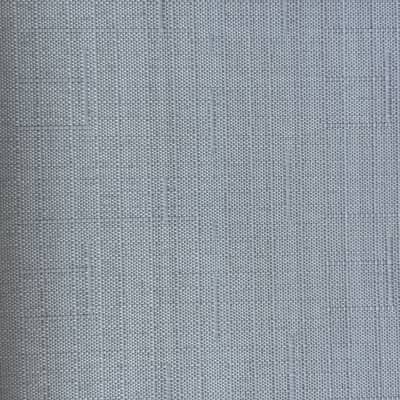
Cross-Slub Polyester Fabric
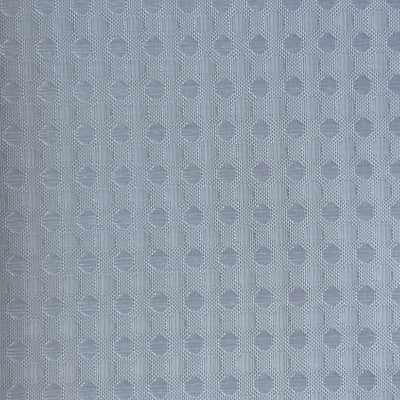
Dotted-Waffle Polyester Fabric
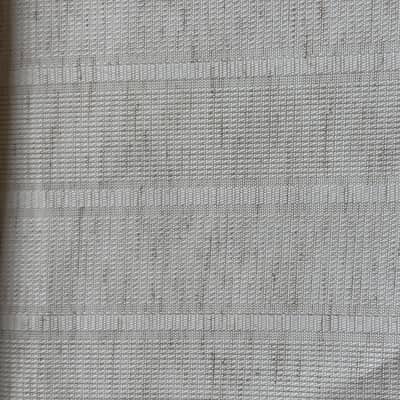
Polyester-Linen Stripe Fabric
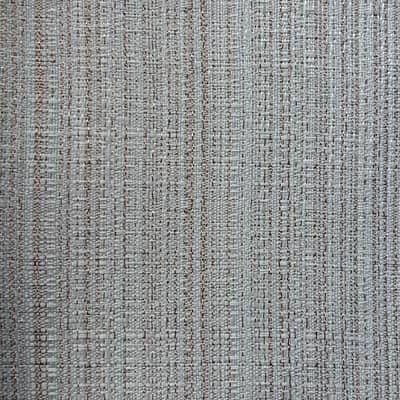
16# Rose-Gold Mini Jacquard Fabric
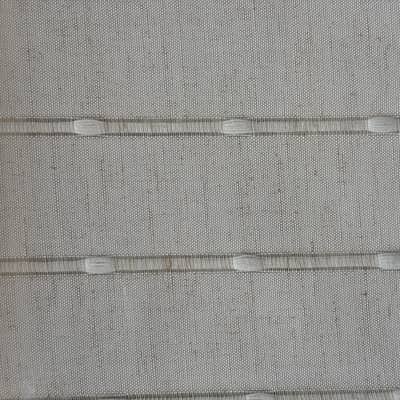
Horizontal-Slub Polyester-Linen Fabric
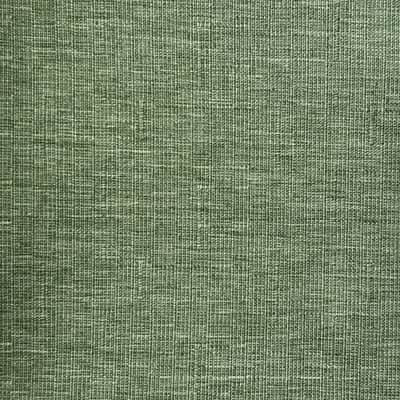
Green Polyester-Linen Slub Fabric
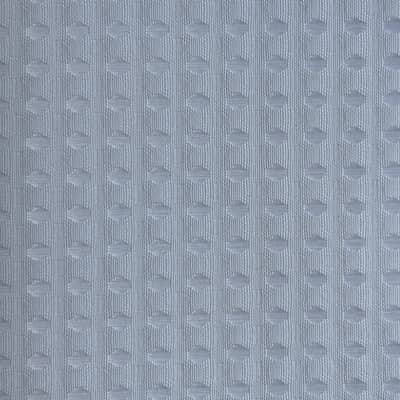
Polyester Waffle Fabric
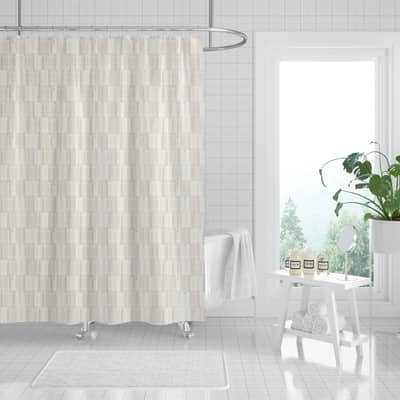
Woven Stripe
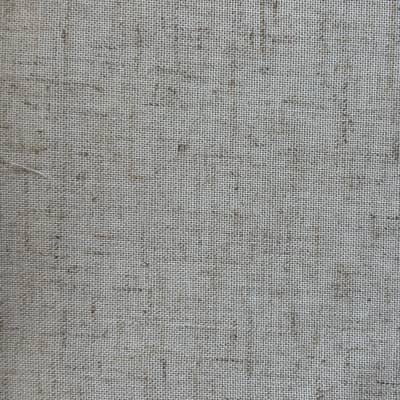
12×12 Plain-Weave Polyester-Linen Fabric
Start with the End Use, Not the Swatch
When a buyer asks about shower curtains material, the real question is usually about the finished product: a hotel guestroom, a retail line, or a private-label program. The fabric choice drives everything downstream—how the curtain drapes, how it prints, how it sews, and how it survives repeated laundering. Yet many procurement conversations begin with a swatch and end with a price per meter, skipping the specifications that make an order repeatable.
Shaoxing Haowen Textile Clothing Co., Ltd. (the company behind the curtains.vip team) supplies shower curtain fabrics and roll goods from Shaoxing, Zhejiang, China. Our role is to help buyers turn a material idea into a roll specification that can be quoted, sampled, and reproduced. This article walks through the decision factors that matter most when comparing shower curtains material, using verified products from our range.
GSM: The First Number That Separates Roll Goods
GSM (grams per square meter) is the first specification to confirm because it influences hand feel, opacity, and how the fabric behaves during cutting and sewing. Lighter fabrics around 110–120 GSM suit compact, value-driven programs where a crisp drape is less critical. Mid-weight options around 140–165 GSM offer a balance of body and softness, which is why they appear across hospitality and retail ranges. Heavier rolls near 225 GSM provide a substantial, textured hand that reads as premium in a guestroom.
Our range includes verified examples at each weight. The Cross-Slub Polyester Fabric (FAB-SLUB-CROSS-110) sits at 110 GSM, while the Dotted-Waffle Polyester Fabric (FAB-WAFFLE-DOT-120) is 120 GSM. At the mid-weight tier, the 27-008-3 Polyester-Linen Stripe Fabric is 130 GSM, and the 16# Rose-Gold Mini Jacquard Fabric (FAB-16-RG) is 140 GSM. The 27-008-8-A Horizontal-Slub Polyester-Linen Fabric is also 140 GSM. For a heavier hand, the 27-MA Green Polyester-Linen Slub Fabric and the 12×12 Plain-Weave Polyester-Linen Fabric both come in at 165 GSM, while the Polyester Waffle Fabric (FAB-WAFFLE-225) reaches 225 GSM.
Cross-Slub Polyester Fabric
Dotted-Waffle Polyester Fabric
Polyester-Linen Stripe Fabric
16# Rose-Gold Mini Jacquard Fabric
Horizontal-Slub Polyester-Linen Fabric
Green Polyester-Linen Slub Fabric
12×12 Plain-Weave Polyester-Linen Fabric
Polyester Waffle Fabric
Composition: What the Fiber Blend Actually Does
Composition determines how a fabric feels, how it accepts ink, and how it prices. 100% polyester rolls are the workhorses of the shower curtain category: they are predictable, easy to print, and offer a consistent surface. Polyester-linen blends introduce a natural slub or texture that many buyers associate with a more organic, spa-like aesthetic. The linen percentage is usually small—4% to 15%—but it changes the hand and the visual depth.
For buyers who want a linen look without the cost or care issues of real linen, blends such as the 27-008-8-A (96% polyester, 4% linen) or the 27-008-3 (92% polyester, 8% linen) deliver texture at a controlled price. The 12×12 Plain-Weave Polyester-Linen Fabric (85% polyester, 15% linen) has the highest linen content in our verified range, which gives it a more pronounced natural slub. On the metallic side, the 16# Rose-Gold Mini Jacquard Fabric (85% polyester, 15% metallic yarn) is a decorative option for accent programs, though it is not printable.
Texture and Weave: What the Surface Does to the Final Product
Texture is not just a cosmetic detail. A waffle weave adds a three-dimensional structure that can hide water spots and wrinkles, which is why it appears in hospitality bathrooms. A slub or stripe texture gives a fabric visual interest but can also affect how printed artwork registers on the surface. Plain weaves offer the smoothest canvas for detailed prints.
Our range includes several textures. The Dotted-Waffle Polyester Fabric (FAB-WAFFLE-DOT-120) and the Polyester Waffle Fabric (FAB-WAFFLE-225) both use a waffle construction, with the latter being nearly twice as heavy. The 27-008-3 is a woven stripe, while the 27-008-8-A and 27-MA are horizontal and green slub fabrics, respectively. The Cross-Slub Polyester Fabric (FAB-SLUB-CROSS-110) has a cross-slub pattern. Each texture changes how the curtain reflects light and how it feels to the touch, so the choice should align with the brand position of the final product.
Print Compatibility: Not Every Base Takes Ink the Same Way
If your program involves custom prints, print compatibility is a non-negotiable specification. A fabric that is not printable will force you into a solid-color program or a different base. In our verified range, most fabrics are printable, but one is not: the 16# Rose-Gold Mini Jacquard Fabric (FAB-16-RG) is marked as not printable, likely due to the metallic yarn content. That makes it a candidate for solid or woven-pattern curtains, not digital or transfer prints.
For printable options, the surface texture matters. A smooth plain weave like the 12×12 Plain-Weave Polyester-Linen Fabric (12X12-PL) will hold fine detail better than a deep waffle. Slub and stripe fabrics can create subtle variations in ink absorption, which some buyers embrace as a natural look and others avoid for consistent branding. Always request a print sample on the exact base before committing to bulk, because the interaction between ink and texture is difficult to predict from a swatch alone.
Matching Verified Fabrics to Buyer Scenarios
Different buyer scenarios call for different shower curtains material. A hotel project with a spa aesthetic might prioritize a mid-weight polyester-linen blend that prints well and drapes softly, such as the 27-008-8-A (140 GSM, printable) or the 27-MA (165 GSM, printable). A retailer launching a value line could choose a lighter 100% polyester like the Cross-Slub (110 GSM) to control cost, while a premium hospitality brand might select the heavy Polyester Waffle Fabric (FAB-WAFFLE-225) for its substantial hand.
For a private-label program that needs a distinctive texture without printing, the 16# Rose-Gold Mini Jacquard (FAB-16-RG) offers a metallic accent, though it is not printable. The Dotted-Waffle (FAB-WAFFLE-DOT-120) is a printable option for buyers who want a subtle waffle texture at a lighter weight. The 12×12 Plain-Weave (12X12-PL) suits buyers who need a smooth, printable surface with a higher linen content for a natural look.
- Confirm GSM first: lighter (110–120) for value, mid (140–165) for balance, heavy (225) for premium.
- Check composition: 100% polyester for predictability, polyester-linen for texture, metallic for decorative non-print.
- Verify print compatibility before sampling: not every base takes ink the same way.
- Match texture to end use: waffle for hospitality, slub for organic looks, plain for detailed prints.
- Request a print sample on the exact base before bulk.
A Practical Checklist for Shower Curtains Material Orders
Before you request a quotation, have a clear specification sheet. This checklist covers the decision factors that affect both price and performance.
When you are ready to move forward, review the full product range at /products or contact the curtains.vip team through /contact. We can help you match a verified fabric to your program and provide samples for evaluation.
- GSM: define the target weight range for your end use.
- Composition: specify the fiber blend, including any linen or metallic content.
- Width: confirm the roll width you need for your cutting plan.
- Print compatibility: state whether you require printing and on which side.
- MOQ: plan for the 2,000 m reference MOQ per SKU; smaller orders are possible with a slightly higher unit price. The usual reference MOQ is 2,000 m per SKU; orders below 2,000 m are also accepted, with a slightly higher unit price.
- Sampling: request a physical swatch and, if printing, a print sample.
- Testing: validate wash fastness, color consistency, and shrinkage before bulk.
- Quotation: compare unit price, lead time, and payment terms, not just the first number.
Questions buyers ask
What is the most common shower curtains material for hotels?
Hotels often choose 100% polyester or polyester-linen blends in a mid-weight range around 140–165 GSM. Polyester offers durability and easy care, while a small linen percentage adds a natural texture that suits spa-like guestrooms. The exact choice depends on the brand's aesthetic and whether the curtain will be printed.
Can all shower curtain fabrics be printed?
No. Print compatibility depends on the fabric's surface and composition. In our verified range, most fabrics are printable, but the 16# Rose-Gold Mini Jacquard Fabric (FAB-16-RG) is not printable due to its metallic yarn content. Always confirm print compatibility with the supplier before sampling.
What does GSM mean for shower curtain fabric?
GSM stands for grams per square meter and indicates fabric weight. Lighter fabrics (110–120 GSM) are more economical and have a crisper drape, while heavier fabrics (165–225 GSM) feel more substantial and premium. The right GSM depends on your target market and the curtain's intended use.
What is the MOQ for shower curtain fabric from curtains.vip?
The usual reference MOQ is 2,000 meters per SKU. Orders below 2,000 meters are accepted with a slightly higher unit price, so you can pilot a new material before committing to a larger volume.