
What Kind of Fabric for Shower Curtain? A Procurement-First Answer for Roll Goods Buyers
Choosing what kind of fabric for shower curtain orders means balancing GSM, composition, weave, and print compatibility. This article gives procurement teams a practical framework, with verified fabrics from curtains.vip.

PRODUCTS
Products in this report
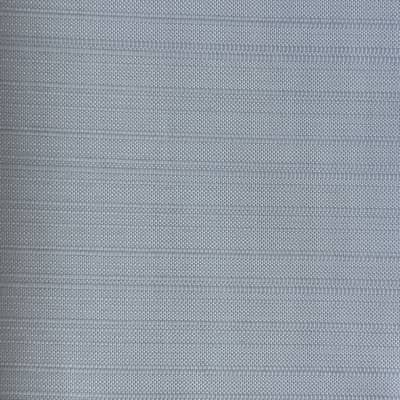
Linear-Slub Polyester Fabric
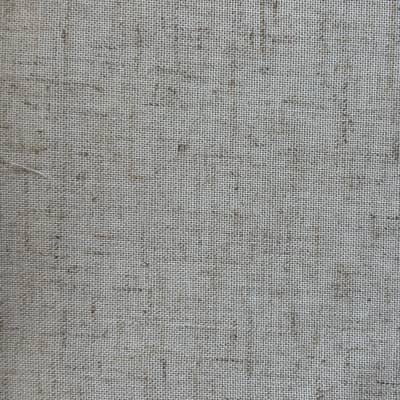
12×12 Plain-Weave Polyester-Linen Fabric
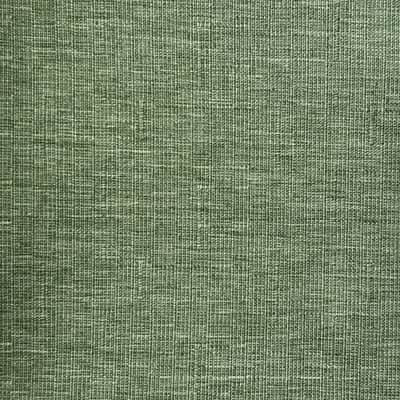
Green Polyester-Linen Slub Fabric
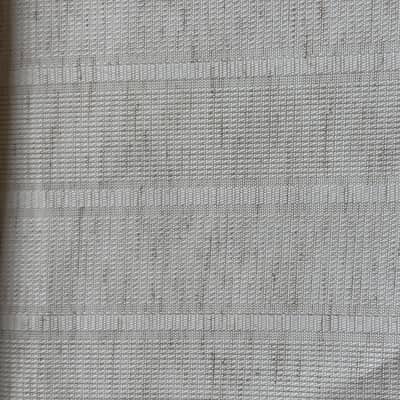
Polyester-Linen Stripe Fabric
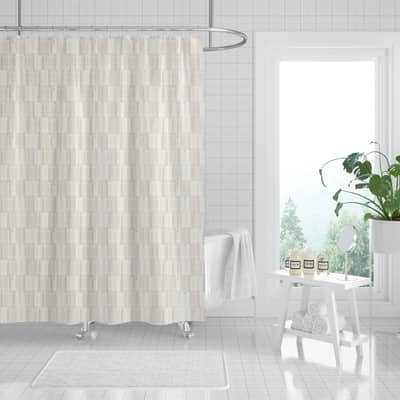
Woven Stripe
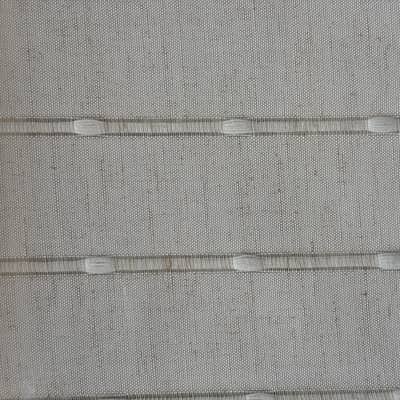
Horizontal-Slub Polyester-Linen Fabric
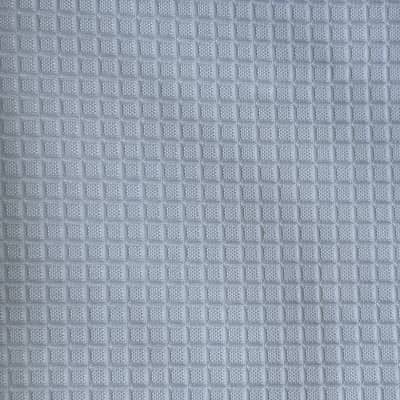
Square-Waffle Polyester Fabric
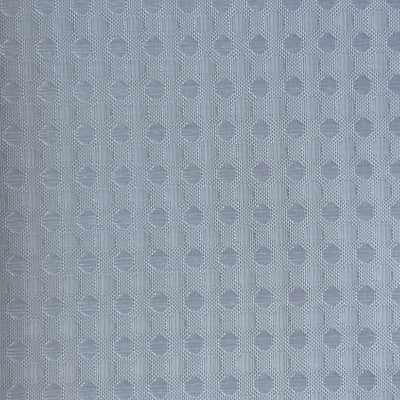
Dotted-Waffle Polyester Fabric
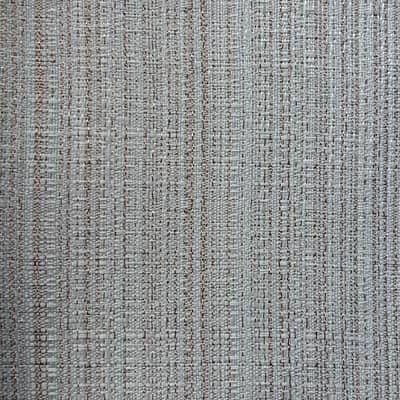
16# Rose-Gold Mini Jacquard Fabric
Start with the Roll Specification, Not the Swatch
When a buyer asks what kind of fabric for shower curtain they should order, the answer rarely begins with a swatch. It begins with the end use: hotel replacement programme, retail private label, or a custom print run. Each scenario changes the weight, composition, and texture you need, and each change affects sampling, quotation, and lead time.
Shaoxing Haowen Textile Clothing Co., Ltd. (the company behind the curtains.vip team) supplies shower curtain roll goods from Shaoxing, Zhejiang. Our buyers typically come with a project brief, not a fabric name. The brief may say 'linen look for a coastal hotel' or 'lightweight base for digital prints'. Translating that brief into a fabric spec is the core of procurement.
This article walks through the decision factors that matter before you request a quotation: GSM, composition, weave, print compatibility, and MOQ planning. Use it as a checklist when you compare roll goods from any supplier, including us.
GSM: The First Number That Separates Roll Goods
GSM, or grams per square metre, is the first number to lock down. It determines drape, opacity, and how the fabric feels in a bathroom environment. A 110 GSM base feels light and airy; a 165 GSM base has more body and a more substantial hand feel.
For hotel projects where the curtain needs to hang cleanly and resist clinging, a mid-weight fabric in the 140–165 GSM range is a common starting point. For retail programmes that prioritise cost per unit and easy folding, lighter bases around 110–120 GSM may be more appropriate.
Our verified range includes several weights. The Linear-Slub Polyester Fabric (SKU FAB-SLUB-LINE-110) is 110 GSM, while the 12×12 Plain-Weave Polyester-Linen Fabric (SKU 12X12-PL) and the 27-MA Green Polyester-Linen Slub Fabric (SKU 27-MA) both sit at 165 GSM. Knowing your target GSM before sampling saves time and avoids comparing fabrics that are not in the same performance class.
Composition: Polyester-Linen Blends vs. 100% Polyester
Composition is the second decision. 100% polyester bases are consistent, easy to print, and often more economical. Polyester-linen blends add a natural, textured aesthetic that many hospitality buyers request, but they also change how the fabric responds to printing and finishing.
The 27-008-3 Polyester-Linen Stripe Fabric (SKU 27-008-3) is 92% polyester and 8% linen, with a woven stripe that gives a natural ivory look. The 27-008-8-A Horizontal-Slub Polyester-Linen Fabric (SKU 27-008-8-A) is 96% polyester and 4% linen, offering a subtle slub texture at 140 GSM. Both are printable, but the stripe and slub will affect how a print appears on the surface.
Polyester-Linen Stripe Fabric
Woven Stripe
Horizontal-Slub Polyester-Linen Fabric
If your design uses large solid colour blocks, a plain weave like the 12X12-PL may be safer. If you want a textured backdrop, a slub or stripe base adds depth but can make fine details less crisp. Always request a printed sample on the exact base before committing to bulk.
Weave and Texture: What the Surface Does to the Final Product
Weave structure is not just aesthetics. A waffle weave, for example, adds a spa-like texture but also creates a three-dimensional surface that can affect how the curtain hangs and how it prints. The Square-Waffle Polyester Fabric (SKU FAB-WAFFLE-SQ-120) and the Dotted-Waffle Polyester Fabric (SKU FAB-WAFFLE-DOT-120) are both 100% polyester at 120 GSM, offering two different waffle patterns.
Square-Waffle Polyester Fabric
Dotted-Waffle Polyester Fabric
For a retail line targeting a premium bath shop, a waffle base can differentiate your product. For a hotel that needs a clean, uniform look, a plain or slub weave may be more appropriate. The 16# Rose-Gold Mini Jacquard Fabric (SKU FAB-16-RG) is a 140 GSM base with a metallic yarn, but it is not printable. If your programme requires custom prints, that base is not a fit.
Texture also affects perceived quality. A slub fabric like the 27-MA Green Polyester-Linen Slub Fabric (SKU 27-MA) at 165 GSM gives a linen-like hand feel without the higher cost of pure linen. Buyers often use such bases for mid-scale hospitality projects where they want an organic look.
Print Compatibility: Not Every Base Takes Ink the Same Way
If your order includes custom prints, print compatibility is a non-negotiable factor. Some textured bases, like the mini jacquard FAB-16-RG, are not printable at all. Others, like the waffle and slub fabrics, are printable but may require adjustments to artwork resolution or ink coverage.
The 12X12-PL plain weave is a reliable choice for digital prints because its smooth surface allows for sharper detail. The Linear-Slub FAB-SLUB-LINE-110, at 110 GSM, is also printable and offers a subtle texture that can complement certain designs.
Before bulk production, always test a print sample on the exact base. Print compatibility is product-specific; a fabric that prints well in one colourway may behave differently with heavy ink coverage. Our team can guide you through this step, but the final decision should be based on a physical sample, not a catalogue description.
Sampling and Quotation: What to Validate Before Bulk
Sampling is the only way to judge hand feel, drape, and print quality. When you request a sample from curtains.vip, specify the exact SKU and, if relevant, the print design. A sample that is not printed on the actual base will not tell you how the final product will look.
Quotations should include more than unit price. Compare the following: GSM and composition as stated on the spec, MOQ per SKU, lead time for sampling and bulk, and whether the fabric is printable. Our usual reference MOQ is 2,000 metres per SKU, but we accept orders below that with a slightly higher unit price. That flexibility allows you to pilot a new base without overcommitting. The usual reference MOQ is 2,000 m per SKU; orders below 2,000 m are also accepted, with a slightly higher unit price.
Use the quotation stage to confirm the fabric's width, finish, and any special requirements. A clear specification at this point prevents misunderstandings later.
- Confirm GSM and composition match your project brief.
- Request a printed sample on the exact base if you plan to print.
- Ask about MOQ flexibility for pilot runs.
- Clarify lead time for both sampling and bulk production.
- Verify print compatibility before committing to a textured base.
Matching Verified Fabrics to Buyer Scenarios
To make this concrete, here are three scenarios and the fabrics we would recommend based on our verified range.
For a hotel project that needs a natural, linen-like aesthetic with good drape, the 27-MA Green Polyester-Linen Slub Fabric (SKU 27-MA) at 165 GSM offers a substantial hand feel and a subtle slub texture. It is printable, so you can add a discreet logo or pattern.
For a retail private-label programme that needs a lightweight, cost-effective base for digital prints, the Linear-Slub Polyester Fabric (SKU FAB-SLUB-LINE-110) at 110 GSM is a strong candidate. Its fine slub adds visual interest without compromising print sharpness.
For a spa or wellness brand that wants a textured, waffle look, the Square-Waffle Polyester Fabric (SKU FAB-WAFFLE-SQ-120) provides a consistent waffle pattern at 120 GSM. It is printable, but test your design first to ensure the texture does not interfere with the artwork.
Next Steps: Turning This into a Quotation
Choosing what kind of fabric for shower curtain orders is a process of elimination. Start with your end use, then narrow down GSM, composition, and weave. Once you have a shortlist, request samples and compare quotations on a like-for-like basis.
If you are ready to move forward, review the full product range at /products or contact the curtains.vip team through /contact. We can help you match your project brief to a verified fabric and provide a quotation that includes MOQ flexibility and sampling guidance.
The right fabric is not the one that looks best in a photo. It is the one that meets your performance needs, prints well if required, and fits your budget and timeline. With a clear specification, you can source with confidence.
Questions buyers ask
What is the best fabric weight for a shower curtain?
The best GSM depends on your end use. For hotel projects, a mid-weight fabric around 140–165 GSM offers good drape and body. For retail programmes that prioritise cost and easy folding, lighter bases around 110–120 GSM are common. Always match GSM to the intended application.
Can polyester-linen blend fabrics be printed?
Yes, many polyester-linen blends are printable, but the texture of the fabric can affect print sharpness. For example, the 27-MA Green Polyester-Linen Slub Fabric (SKU 27-MA) is printable, but you should request a printed sample to ensure the slub texture does not interfere with your design.
What is the MOQ for shower curtain fabric from curtains.vip?
Our usual reference MOQ is 2,000 metres per SKU. We accept orders below 2,000 metres with a slightly higher unit price, which allows you to pilot a new base without overcommitting to a large volume.
How do I know if a fabric is suitable for digital printing?
Check the product specification for print compatibility. Some fabrics, like the 16# Rose-Gold Mini Jacquard (SKU FAB-16-RG), are not printable. For printable bases, always test a print sample on the exact fabric before bulk production, as texture and composition can affect ink absorption and detail.